

Jan
Product Marketing
Product Marketing
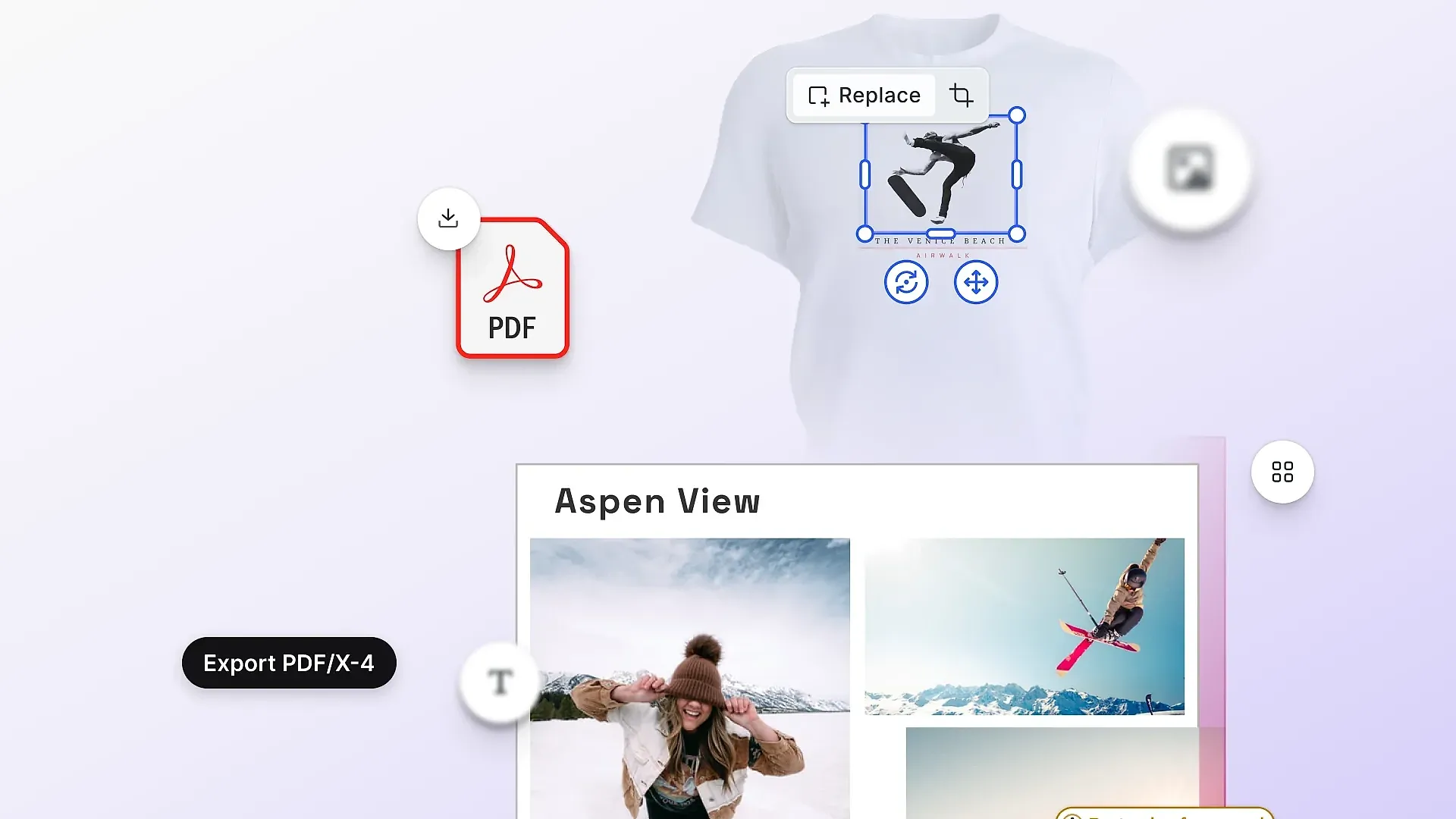
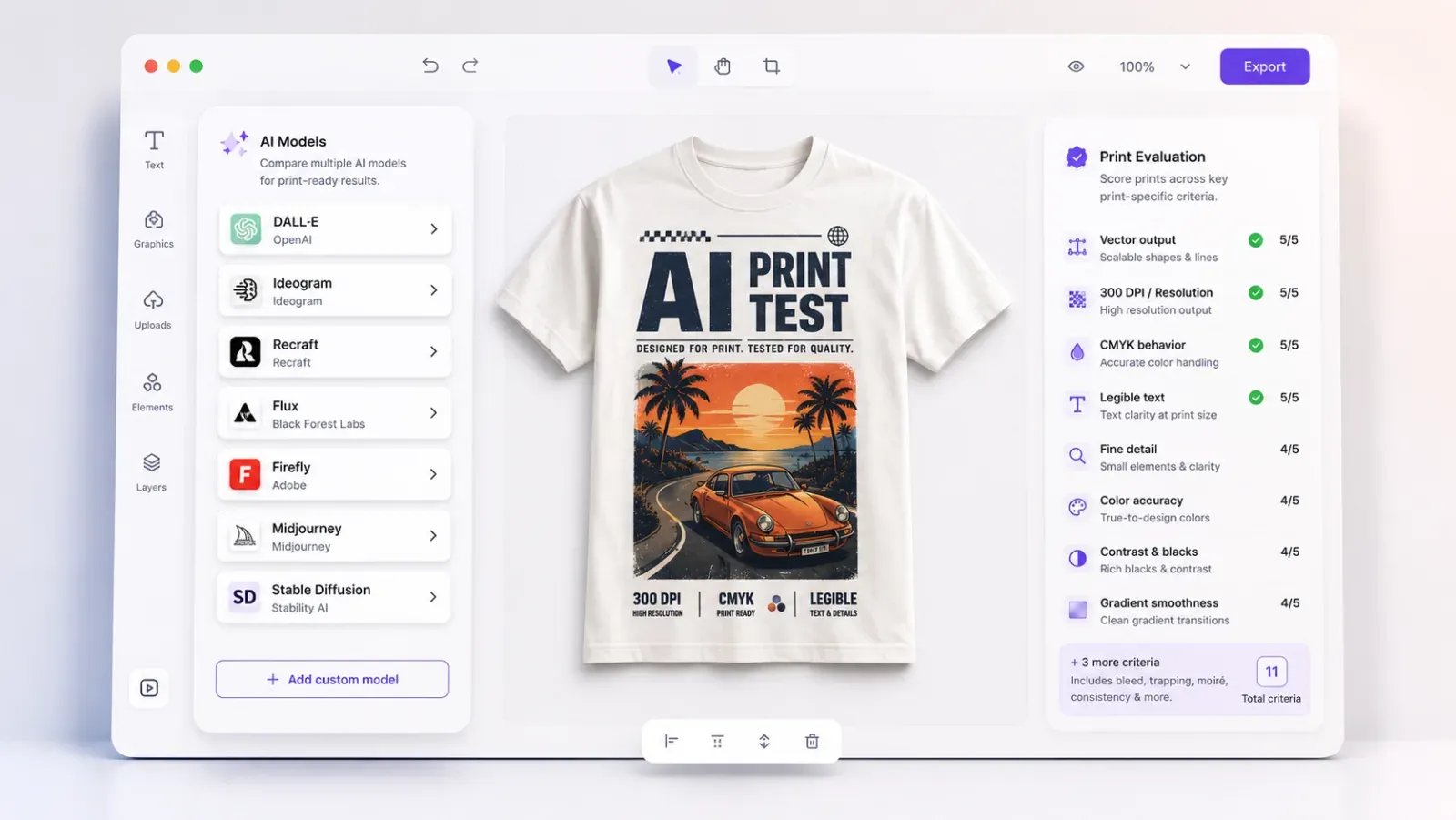
The best general image model can still fail at print. What decides it (vector output, print resolution, CMYK behavior, legible text) is exactly what general model rankings ignore. This guide gives you eleven print-specific evaluation criteria, a scoring rubric, and a model-by-model read on where each one wins.
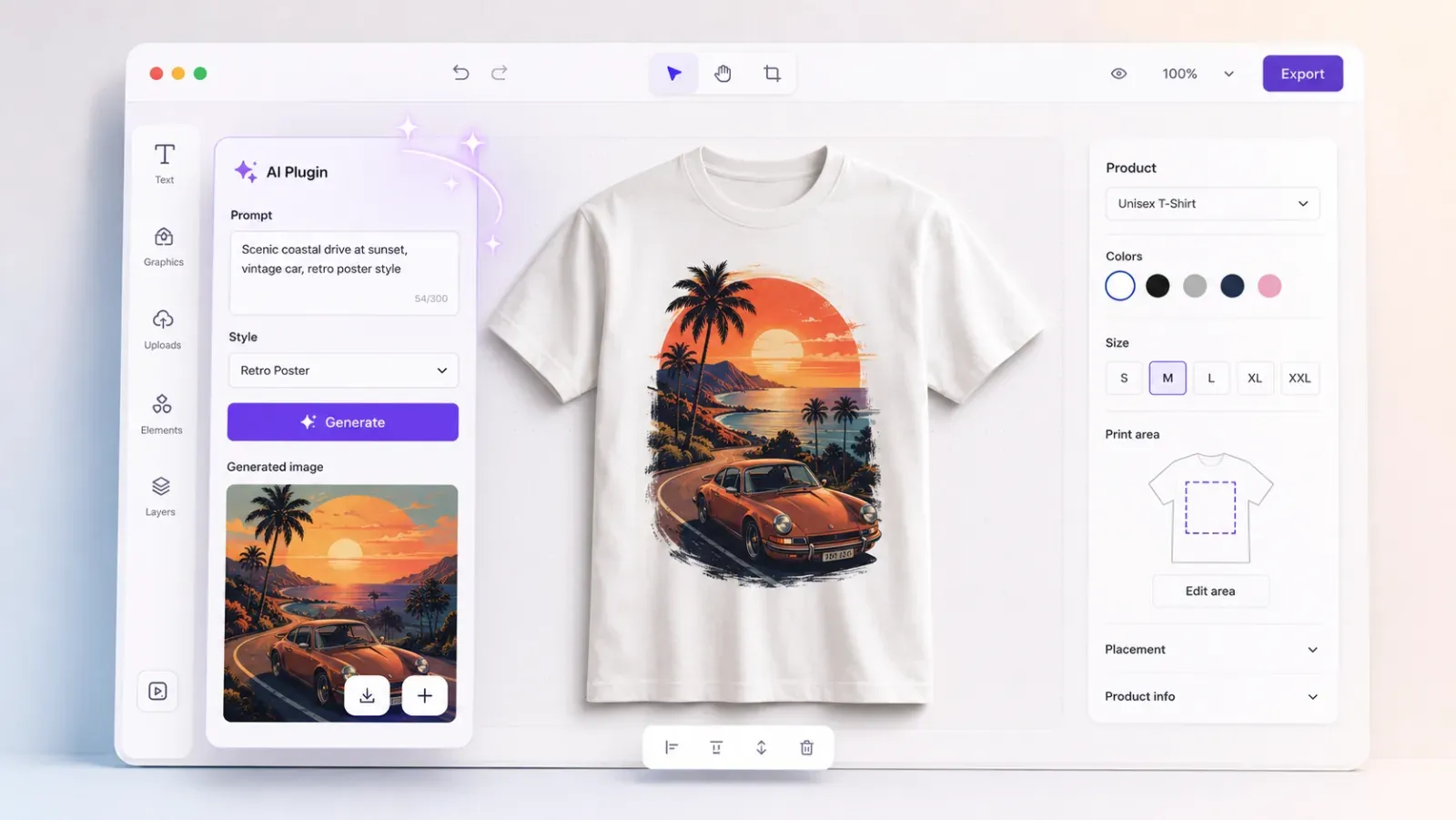
Generative AI changes the economics of web-to-print by doing the part customers were never qualified to do: generating images, fixing resolution, removing backgrounds, vectorizing logos. Here are the use cases worth building, and the print-specific realities to design around.
A data report based on 600+ customers, 28 structured customer interviews, and a self-reported customer survey.
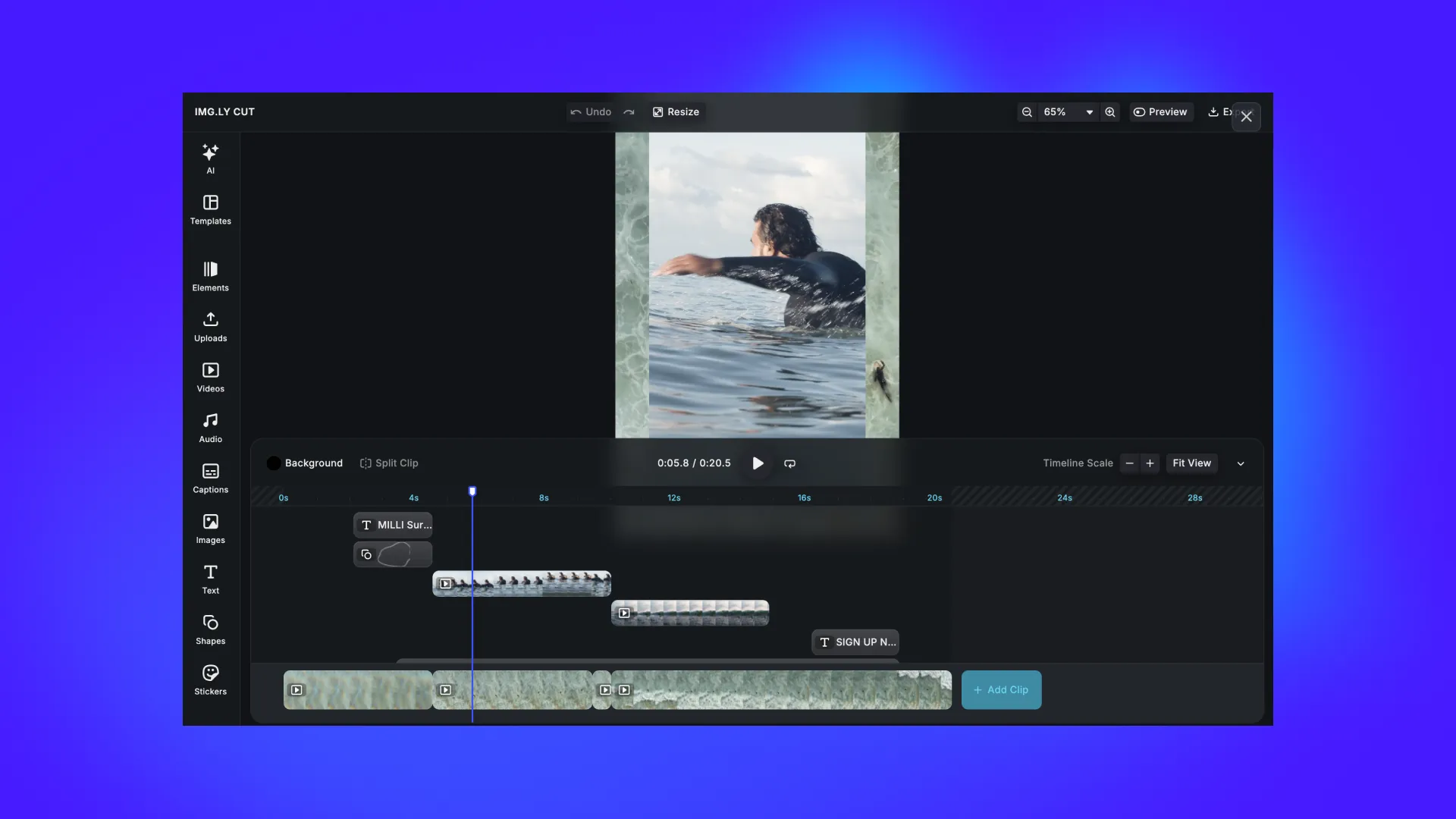
How to built a browser-based video editor with a dark CapCut-inspired UI, multi-track timeline, and AI-powered content generation... in under 200 lines of code.
We built a technical demo running CE.SDK directly inside ChatGPT using MCP, showing how AI chats can open real, interactive editors. It highlights strict MCP contracts, visual-first UX, and how chat becomes a coordination layer for doing creative work.
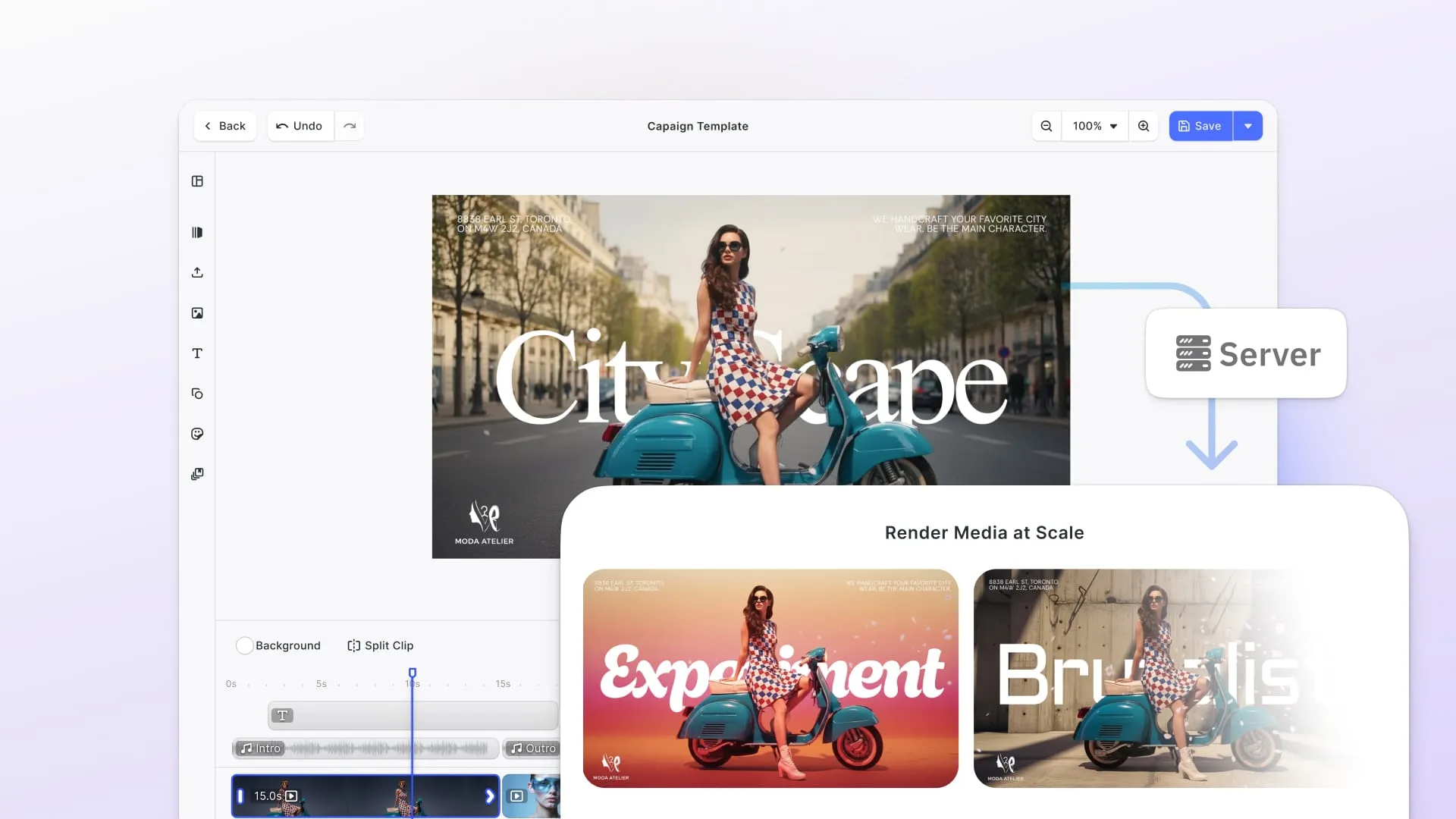
The CE.SDK Renderer brings fast, reliable, fully licensed server-side rendering to your backend unlocking true end-to-end creative automation with GPU acceleration, perfect fidelity, and scalable image, PDF, and video export.
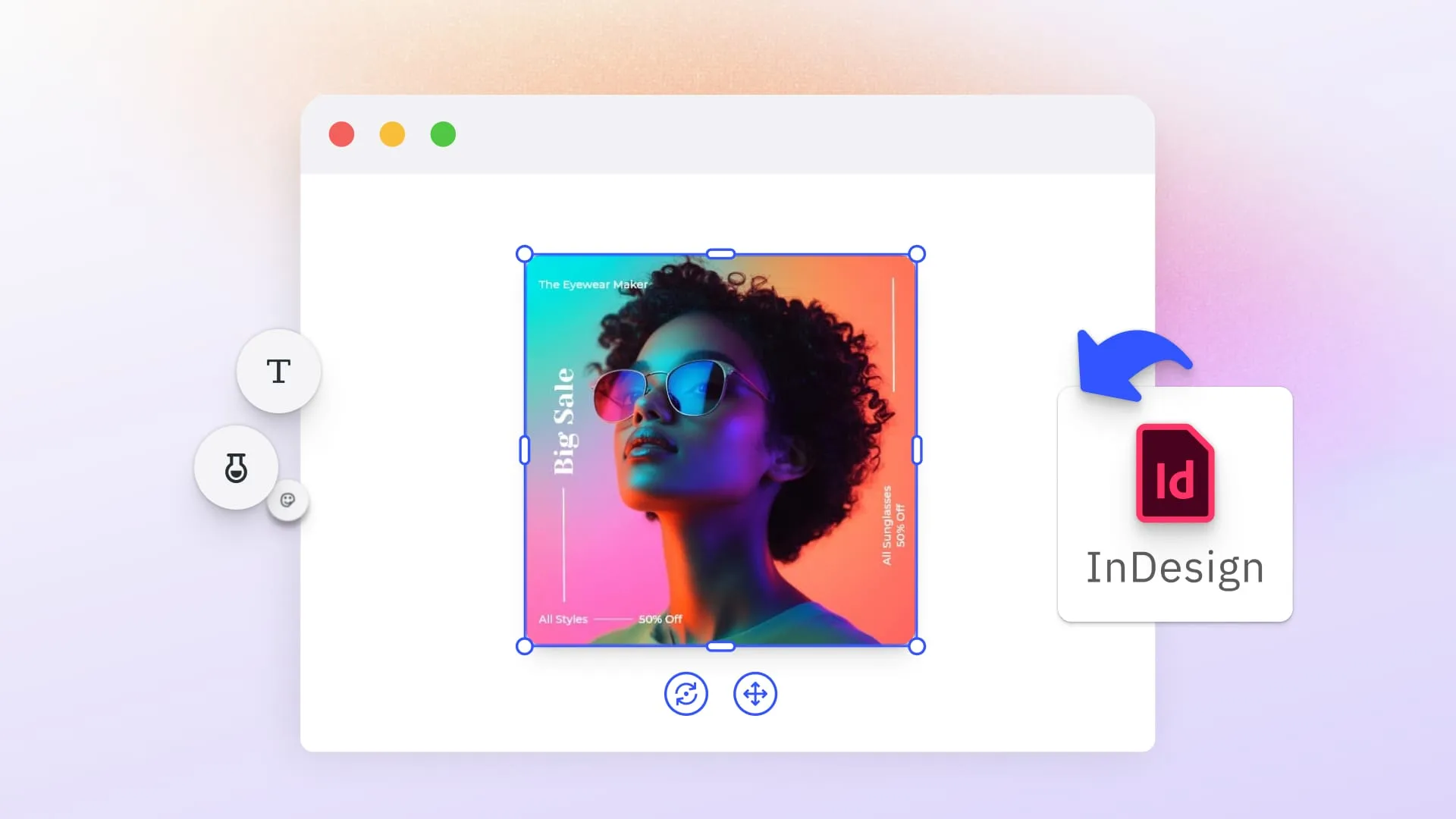
InDesign files hold valuable design structure - yet remain stuck offline. This article shows how CE.SDK turns IDML templates into web-editable layouts with full fidelity, unlocking collaboration and automation impossible in desktop-only workflows.
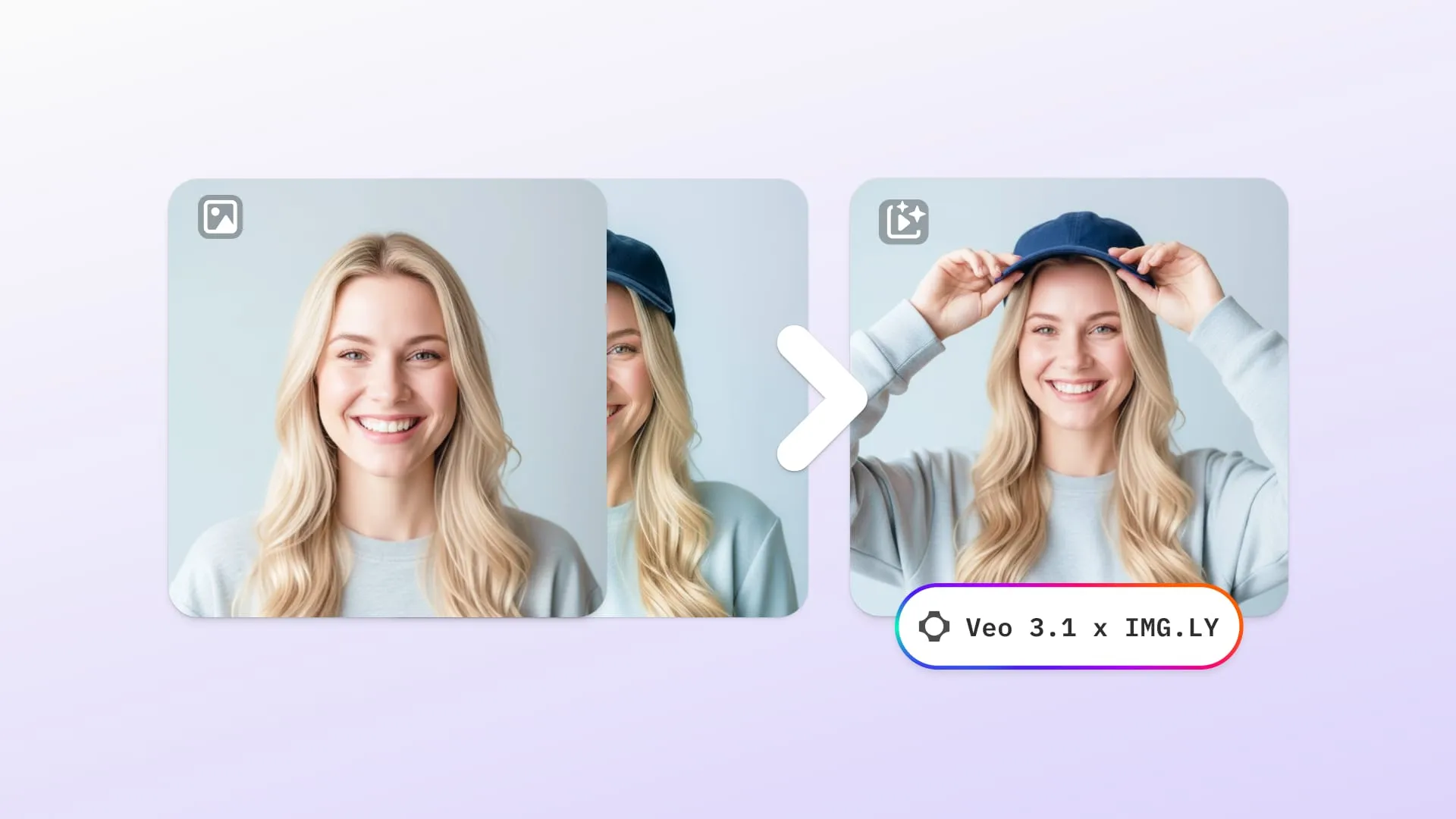
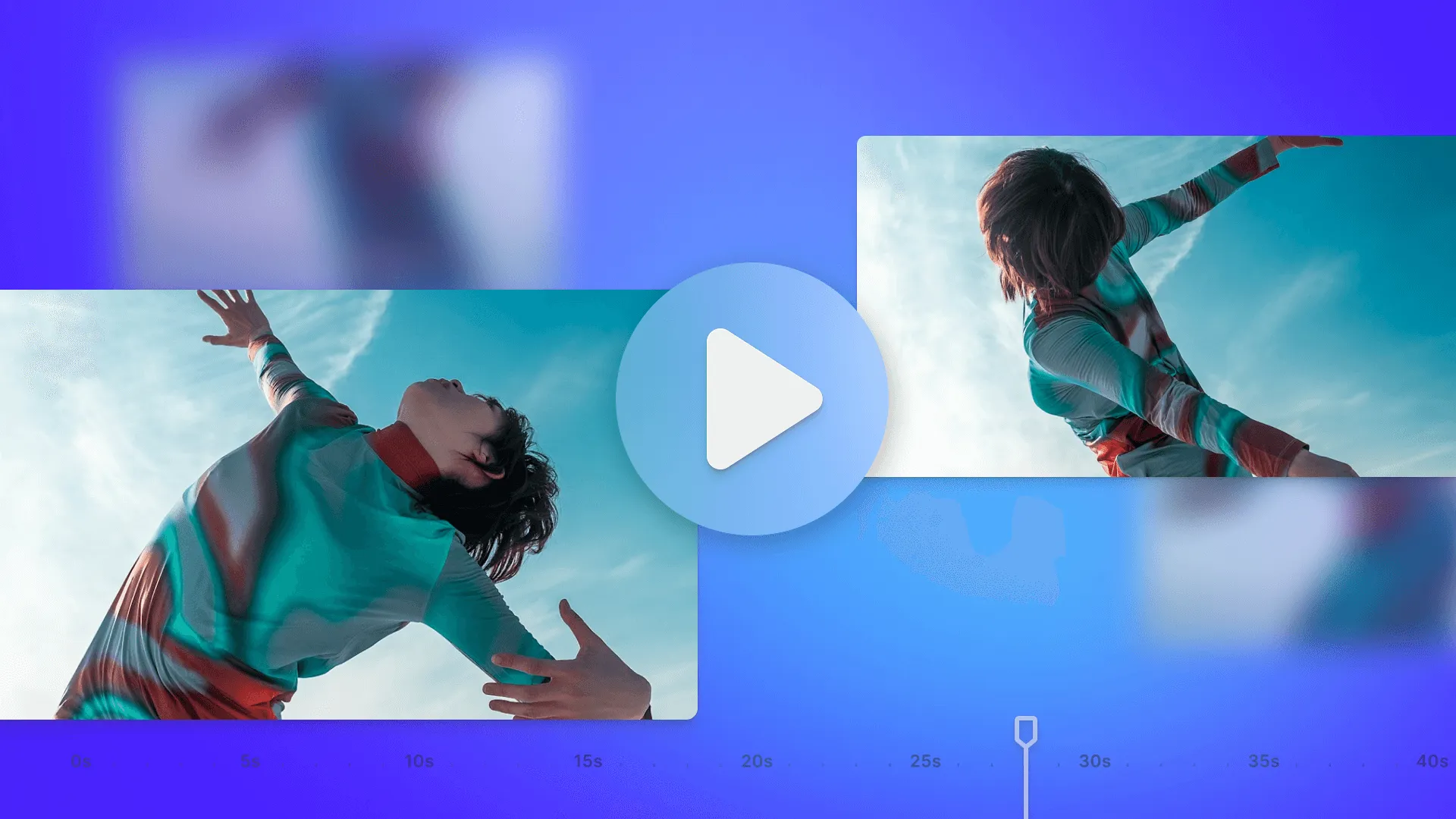
See how we integrated Veo 3.1 into CE.SDK to animate between images in seconds. With generation times as low as 9 s, this demo shows how easily you can embed AI-native workflows from stills to smooth video clips directly inside your Creative Editor.
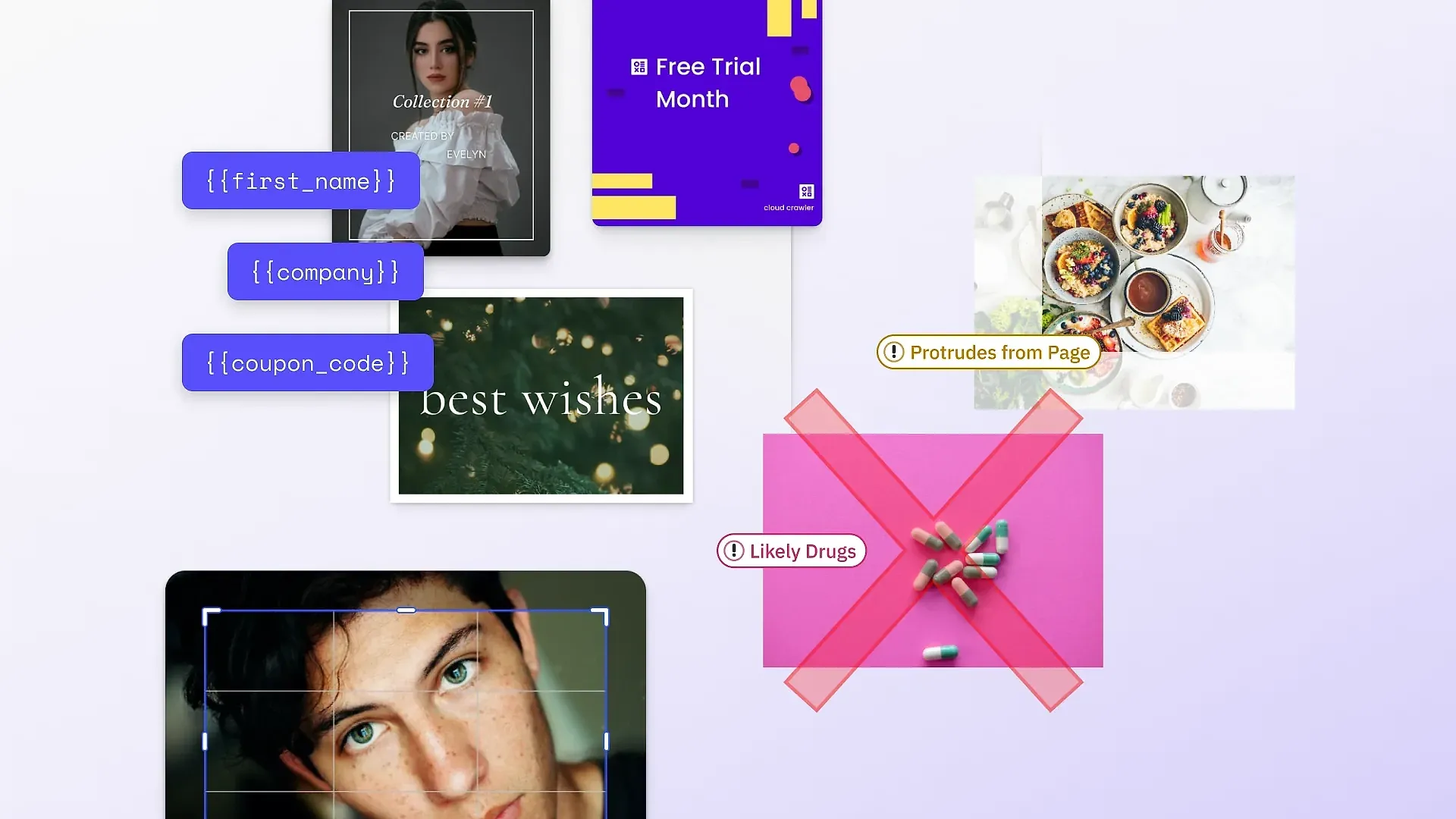
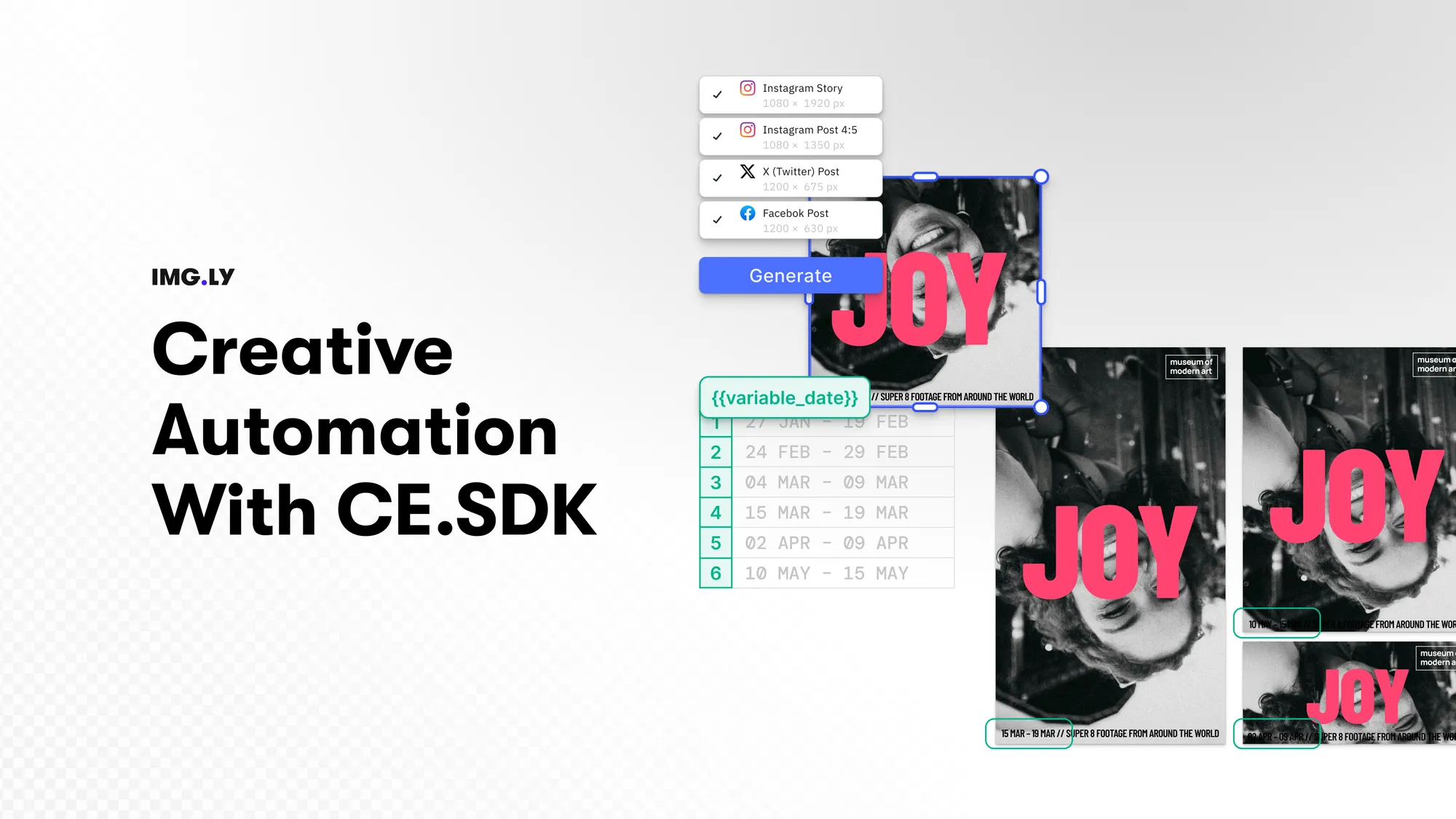
Discover how to build end-to-end creative automation with CE.SDK and React. This guide shows you how to create templates with placeholders, connect them to external data, and automatically generate personalized assets at scale.
In this guide, we break down the seven leading video editing SDK solutions: IMG.LY, Meishe, Banuba, Shotstack, BytePlus, Rendley, and Picsart, covering their features, platforms, use cases, and trade-offs.
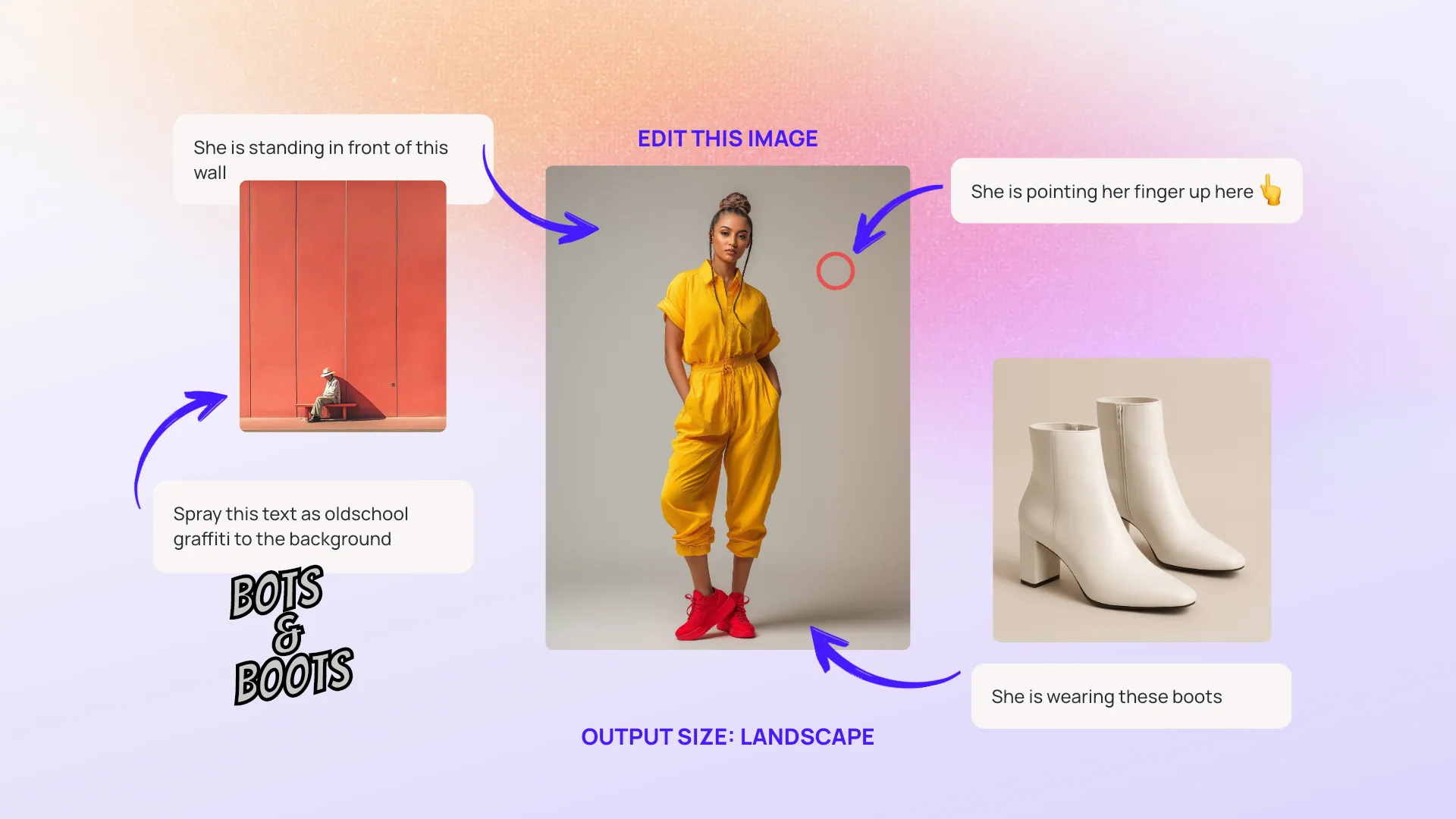
Visual Prompting is a new way to guide AI using visual input instead of just text. By composing layouts with images, annotations, and design cues directly on the canvas, creators can prompt AI more intuitively. Learn how IMG.LY’s CE.SDK brings this paradigm to life.
This blog article provides a detailed comparison between Fabric.js and IMG.LY’s CreativeEditor SDK (CE.SDK) for teams building in-product design editors. It outlines the strengths of Fabric.js as a low-level canvas library, but focuses on the growing limitations teams face as they scale.
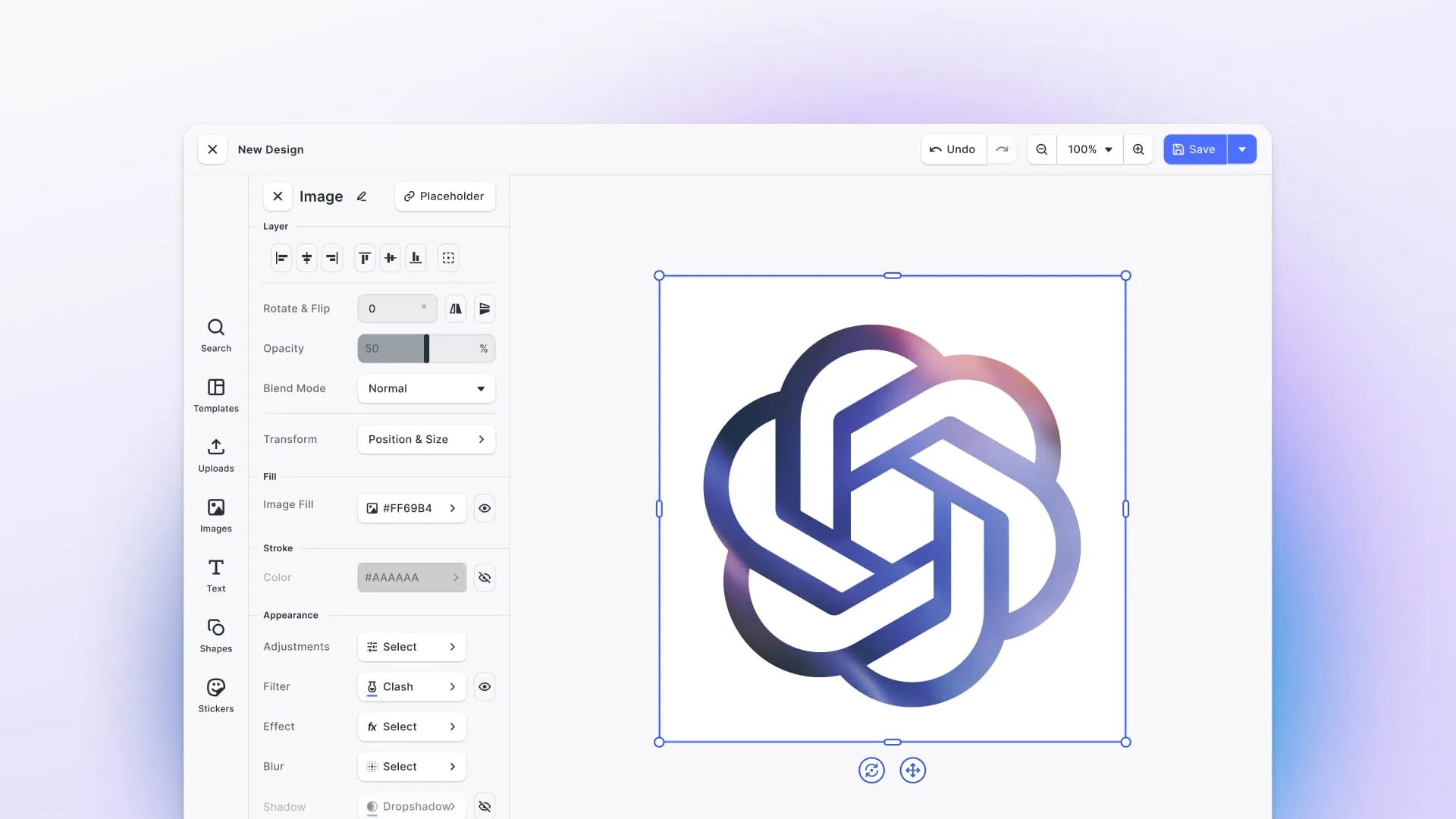
Learn how to integrate OpenAI’s gpt-image-1 API into modern creative applications. This complete 2025 guide covers technical setup, CE.SDK integration, prompt engineering, and tips for building real multimodal creative workflows.
OpenAI’s GPT-4o enables real-time, interactive image generation. Instead of one-off prompts, users can refine visuals through conversation. This unlocks new UX patterns like editable outputs and character persistence. IMG.LY’s CE.SDK makes GPT-4o easy to integrate into your editor.
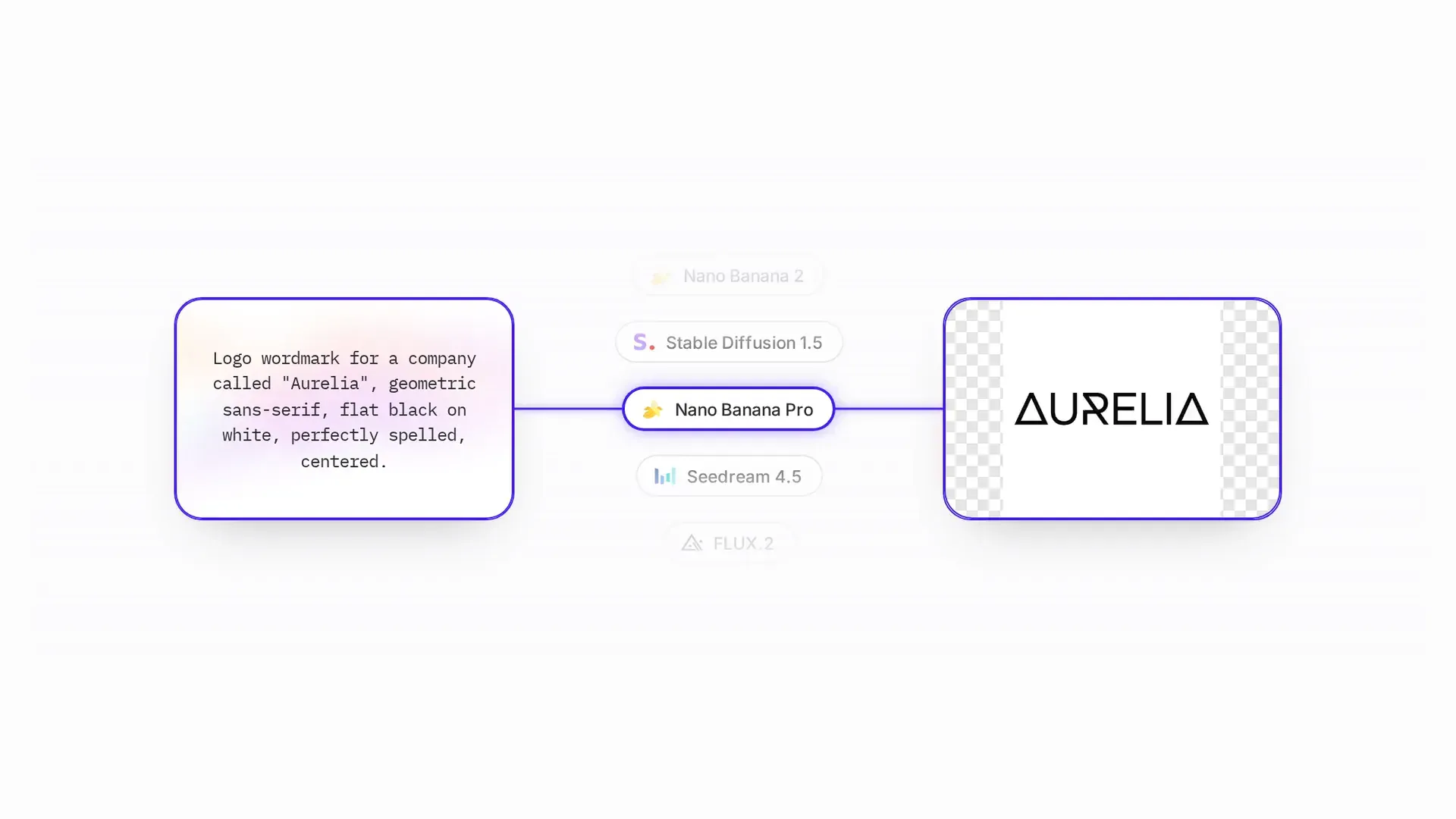
AI image generation is quickly becoming a must-have in creative apps. But with so many models and APIs to choose from, picking the right one can be tricky. This guide breaks down the top options like DALL·E, GPT-4o, Gemini, and SDXL to help you find the best fit for your product and users.