
Benchmark GenAI image models
The same prompt, every model, side by side. We run identical prompts across the leading image generation models and score the results on what production design work actually needs: typography, brand-color fidelity, transparency, composition, consistency, cost and latency. When a new model drops, the whole suite re-runs.
23
Models benchmarked
37
Canonical prompts
2550
Images generated
Sep 10, 2026
Last benchmark run
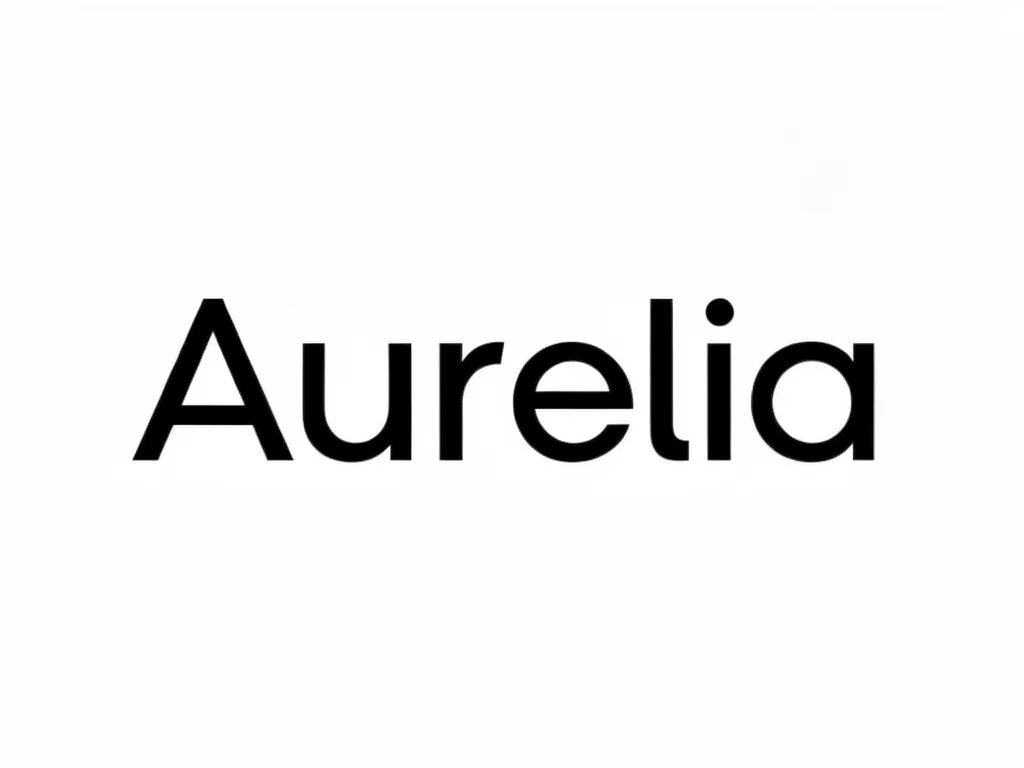
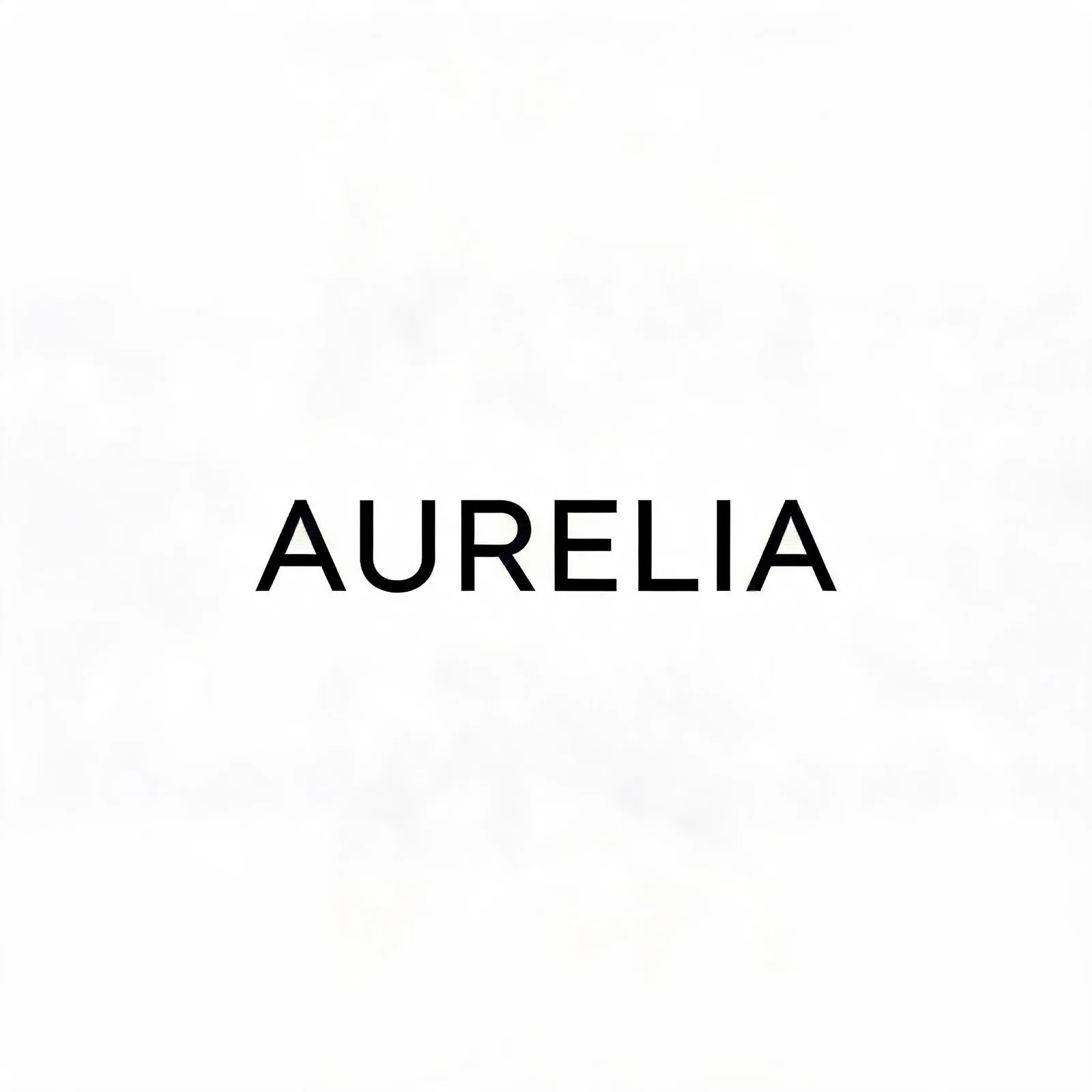
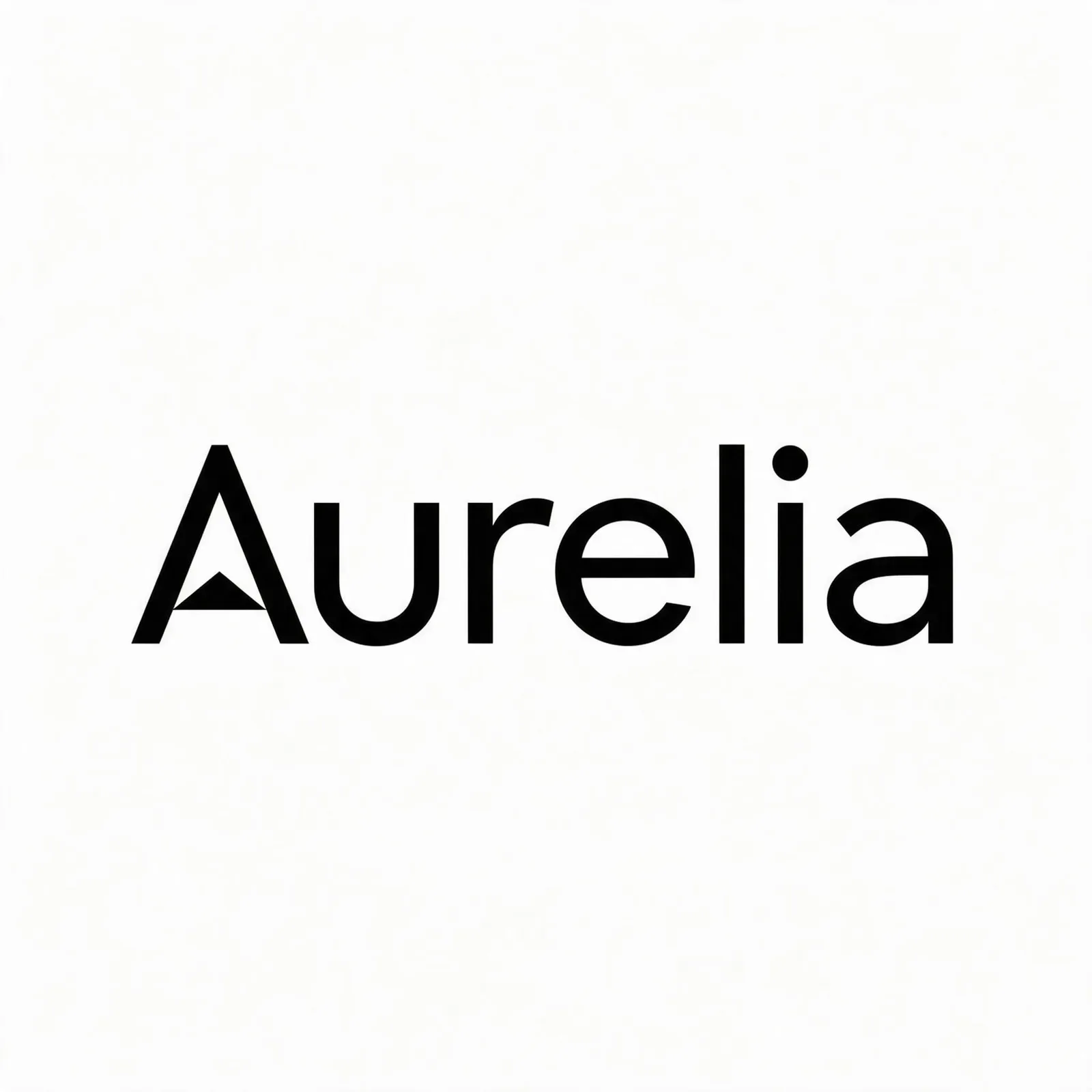
Logo wordmark for a company called "Aurelia", geometric sans-serif, flat black on white, perfectly spelled, centered.


Every model we measure
All 23 of them, on identical prompts and fixed conditions, ranked by their blended score across all eight criteria. Open any model for its per-criterion scores, its price and the images it actually returned.
What are you building?
Start from the job, not the model. Each path weights the same measurements for what actually decides success in that use case. And if the model choice is delegated to an AI design agent, these are still the numbers the choice should rest on.
Same prompt. Every model. Side by side.
Identical text, default parameters, a fixed seed where the API takes one, no per-model tuning. Every result ships with its seed, latency, cost and native resolution, so you compare models, not prompt engineering.
Logo wordmark for a company called "Aurelia", geometric sans-serif, flat black on white, perfectly spelled, centered.
FLUX.2
![FLUX.2 [pro]: Wordmark](https://storage.googleapis.com/imgly-ai-benchmarks/t04-wordmark--flux-2-pro--s1111.webp)
FLUX.2 [pro]
![FLUX.2 [dev] Turbo: Wordmark](https://storage.googleapis.com/imgly-ai-benchmarks/t04-wordmark--flux-2-turbo--s1111.webp)
FLUX.2 [dev] Turbo
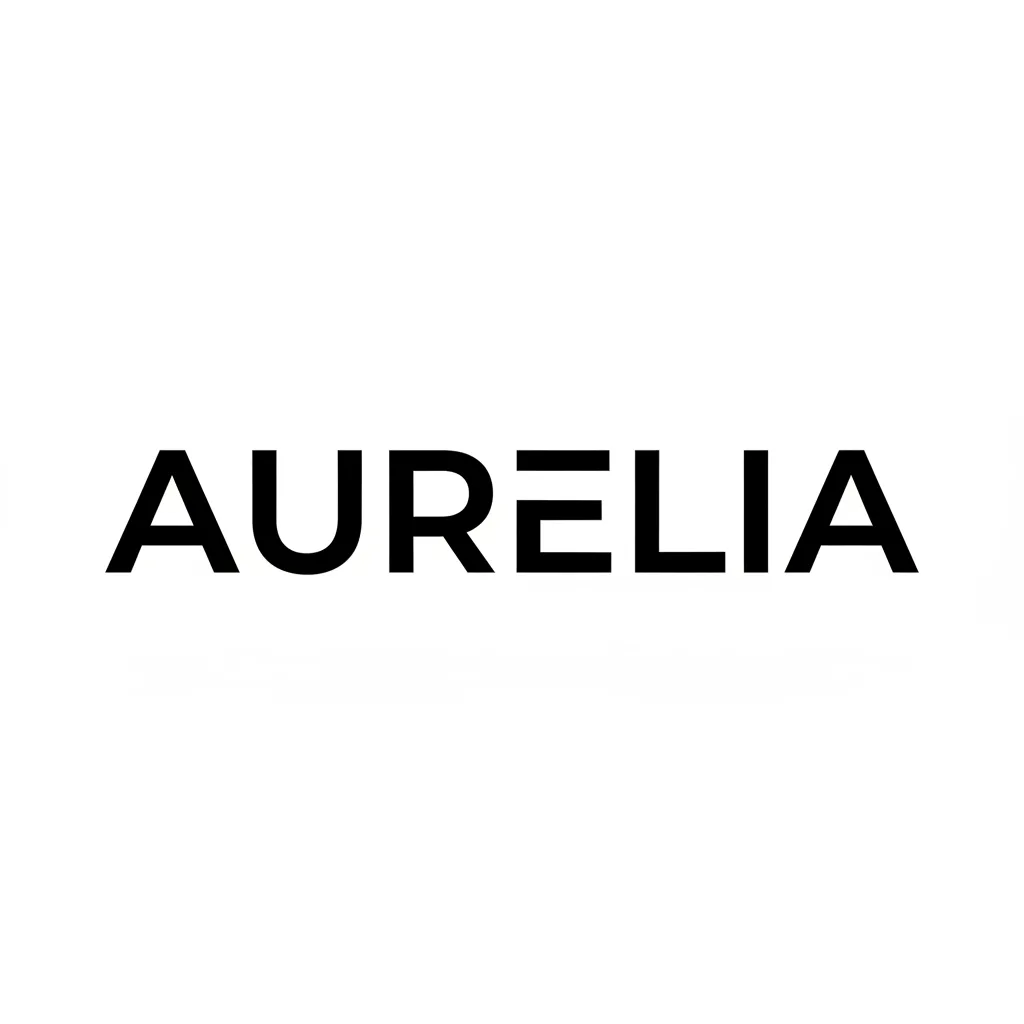
Gemini 2.5 Flash Image
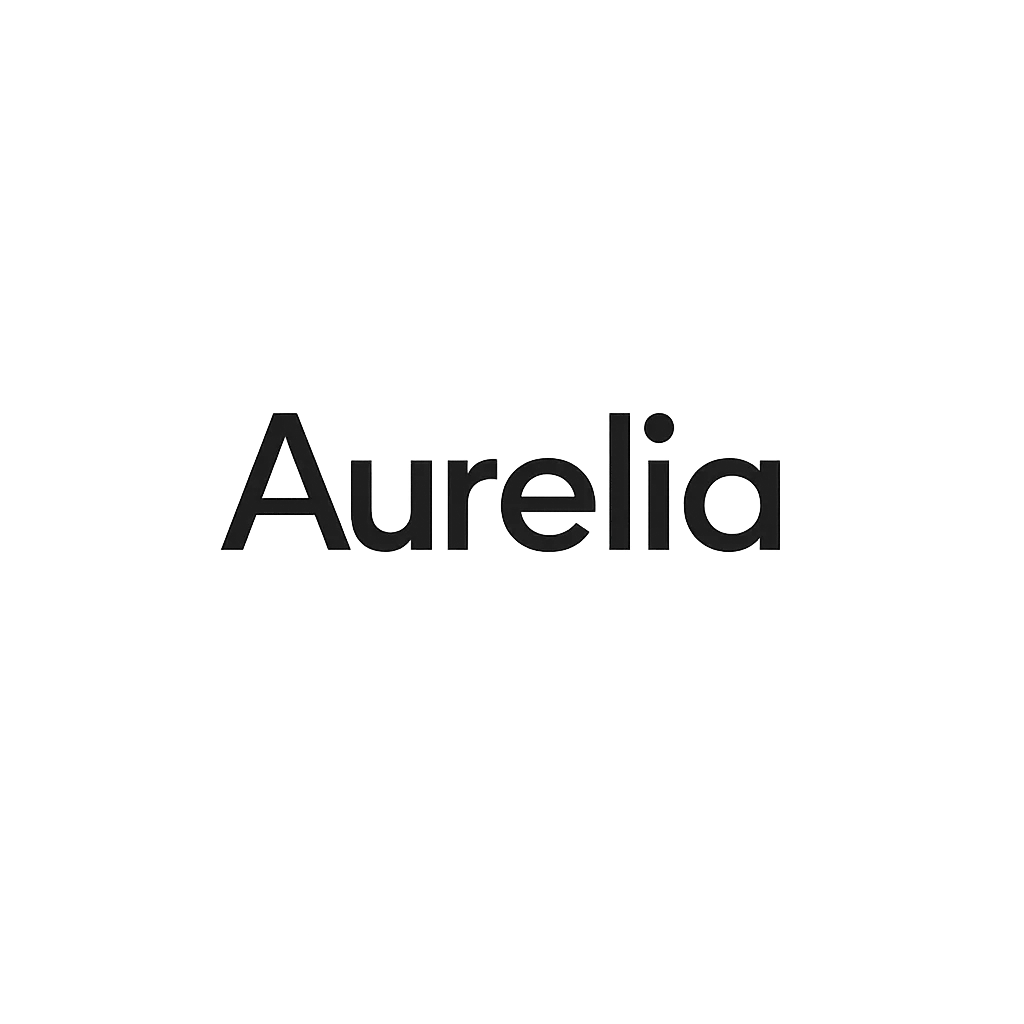
GPT Image 1.5
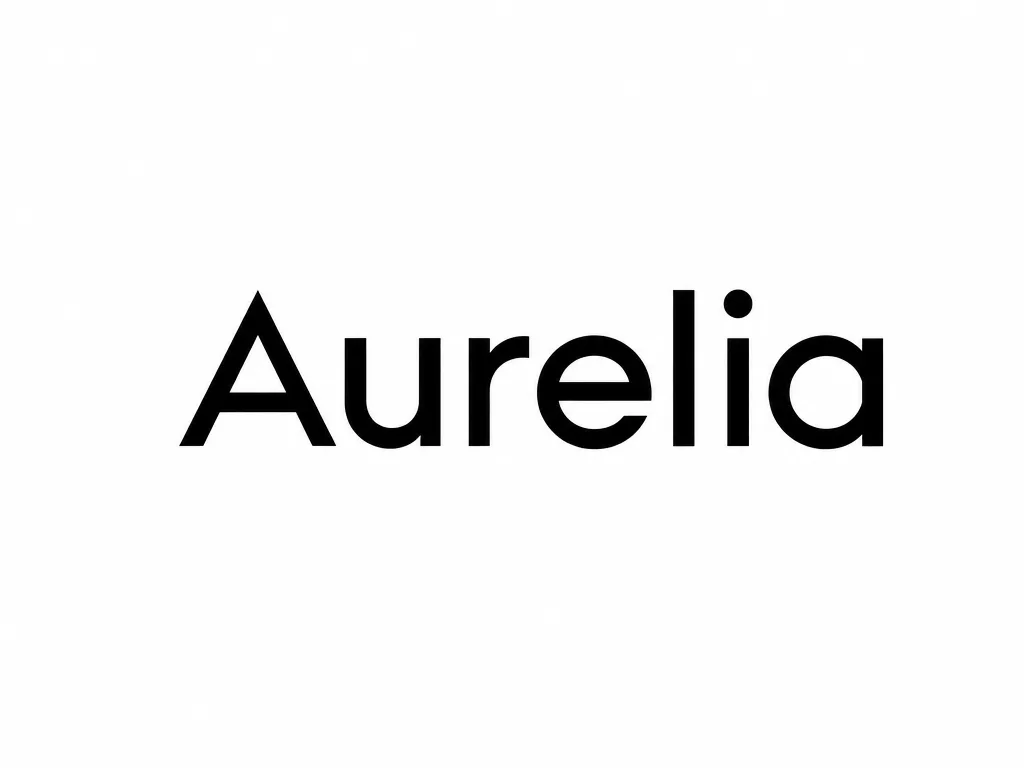
GPT Image 2

GPT Image 2.5 Flare
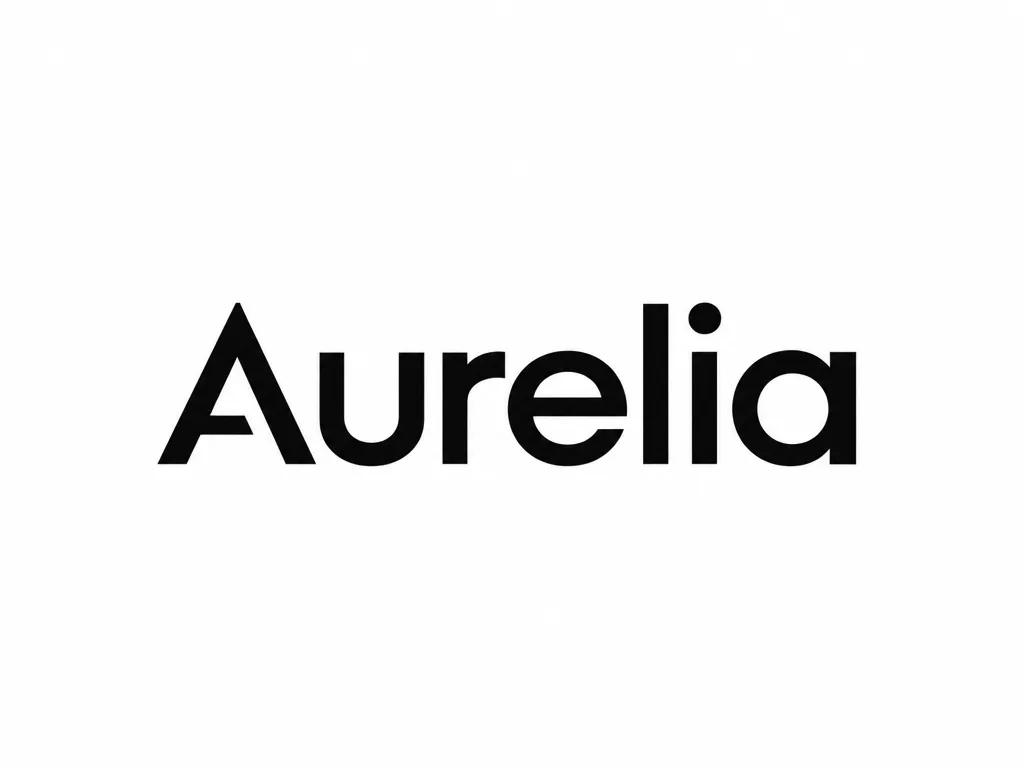
GPT Image 2.5 Sunburst
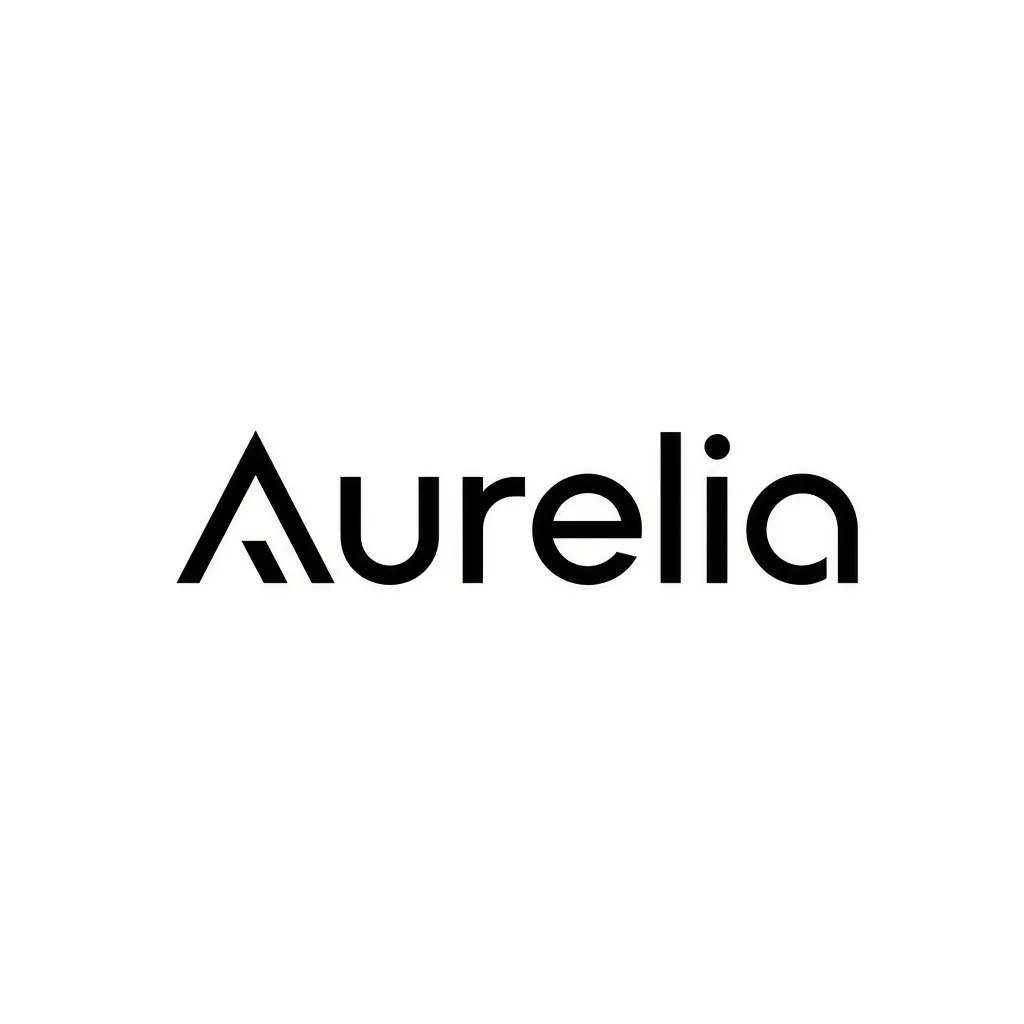
Grok Imagine Image 2.0
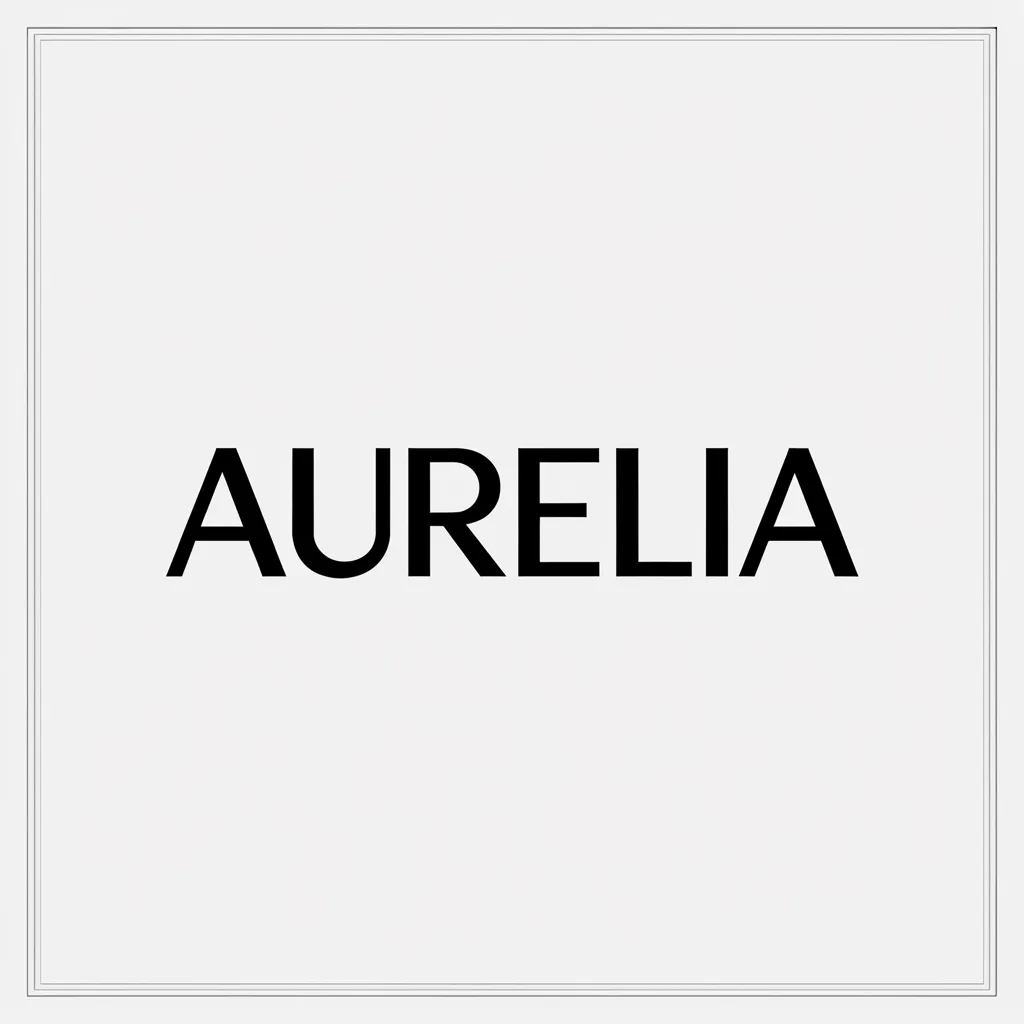
Ideogram 3.0
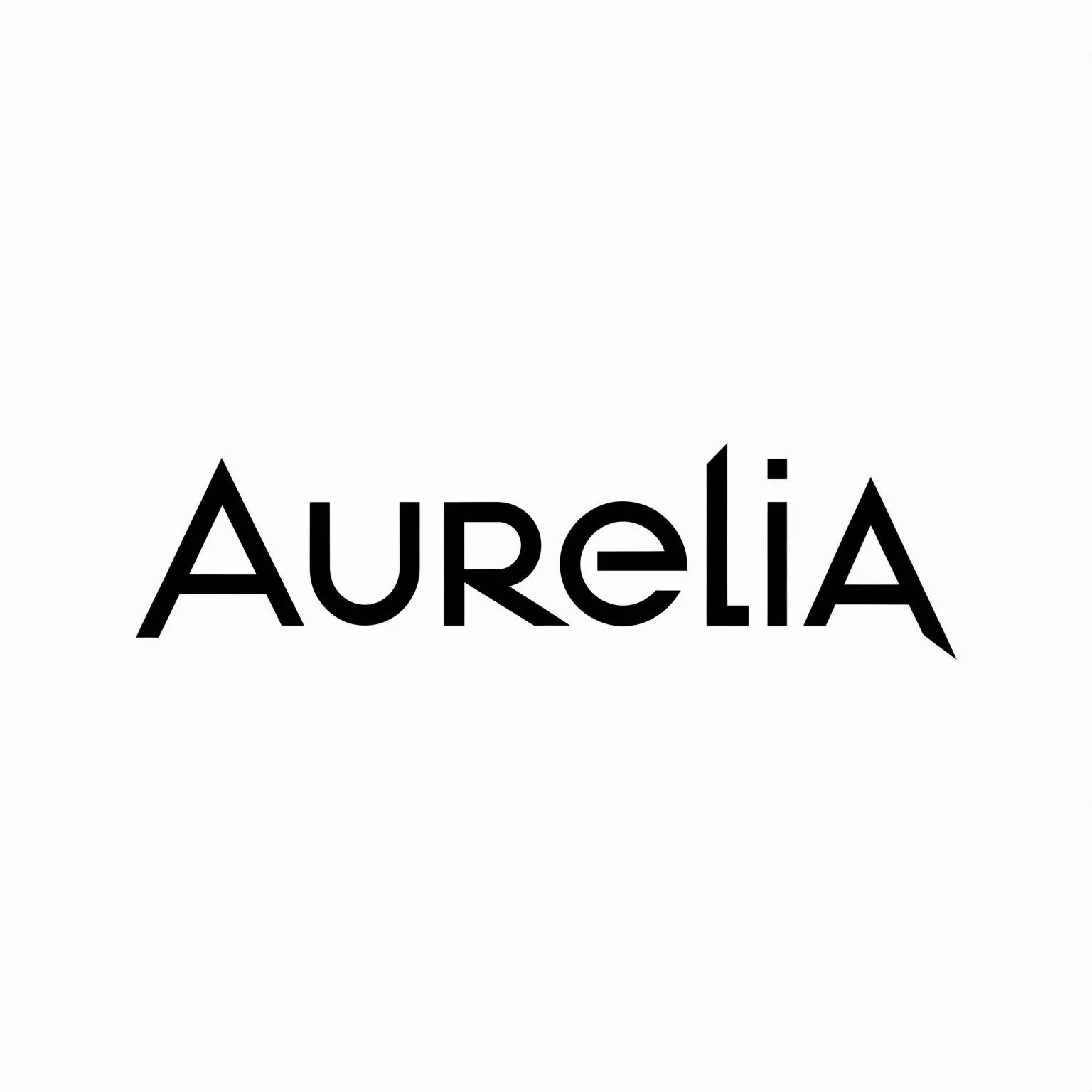
Luma Photon
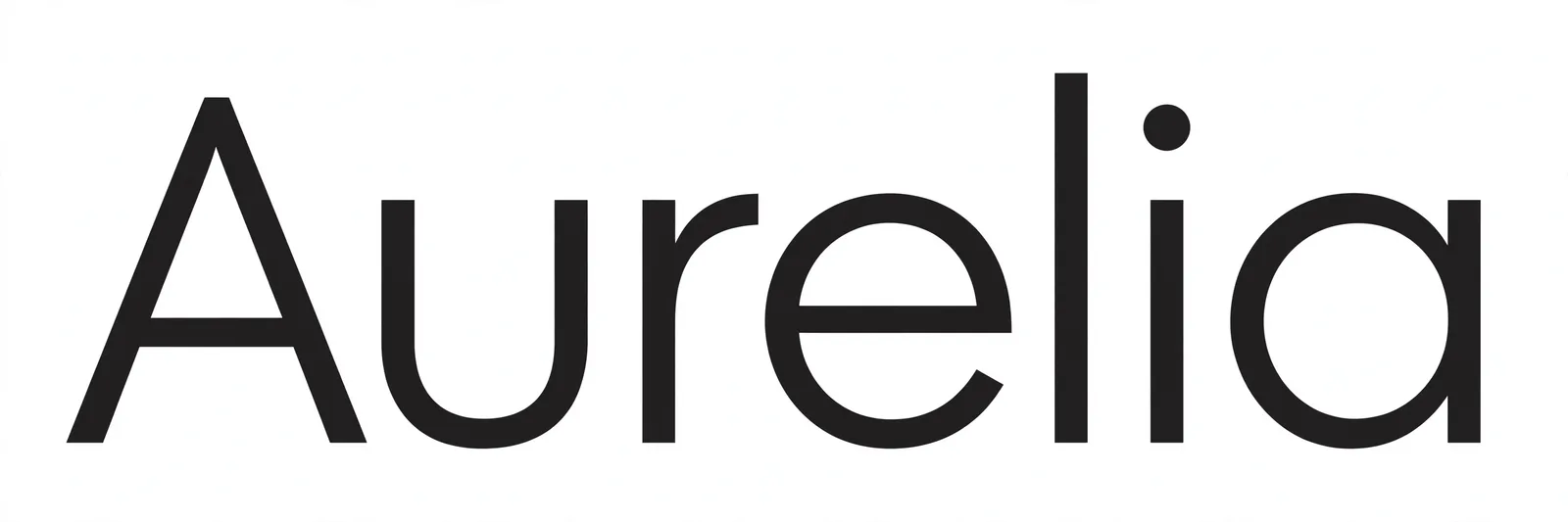
Muse Image
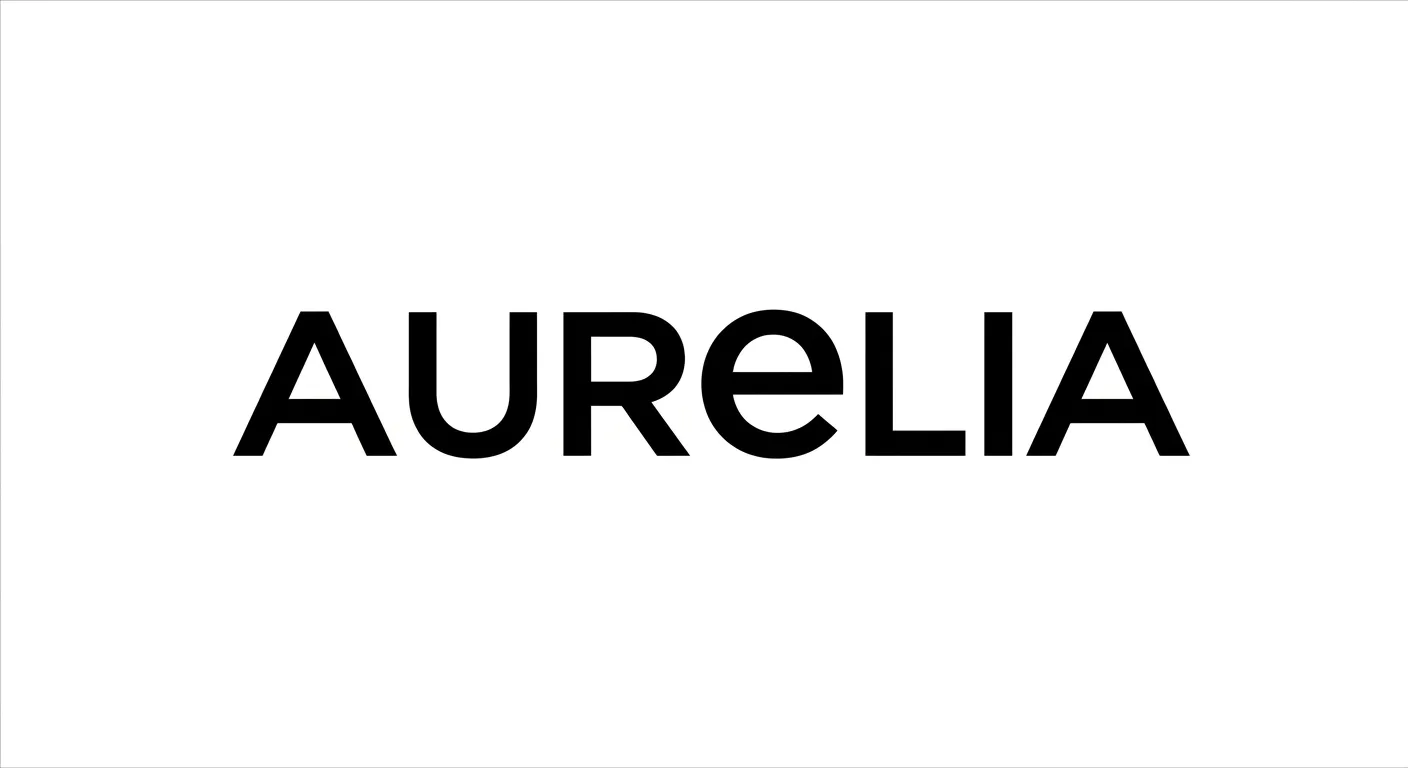
Nano Banana 2
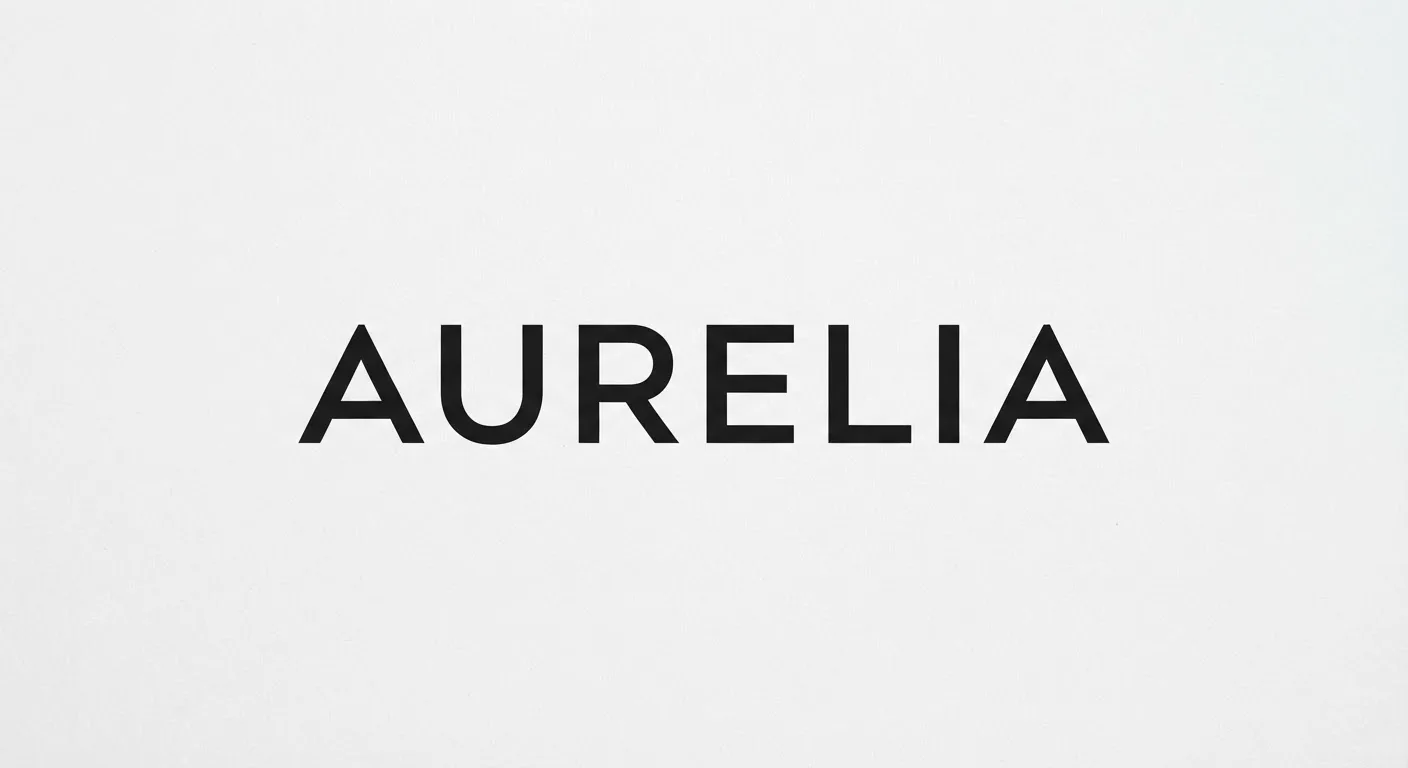
Nano Banana 2 Lite
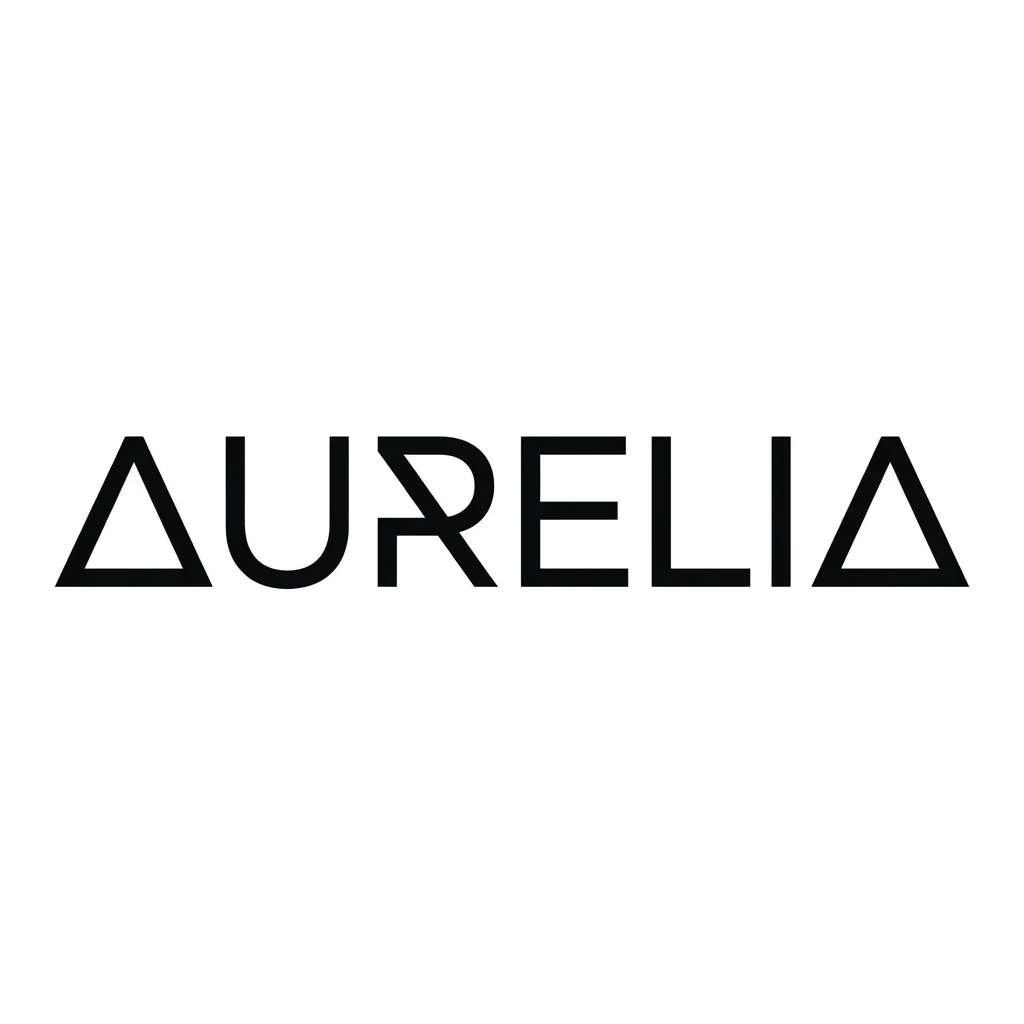
Nano Banana Pro
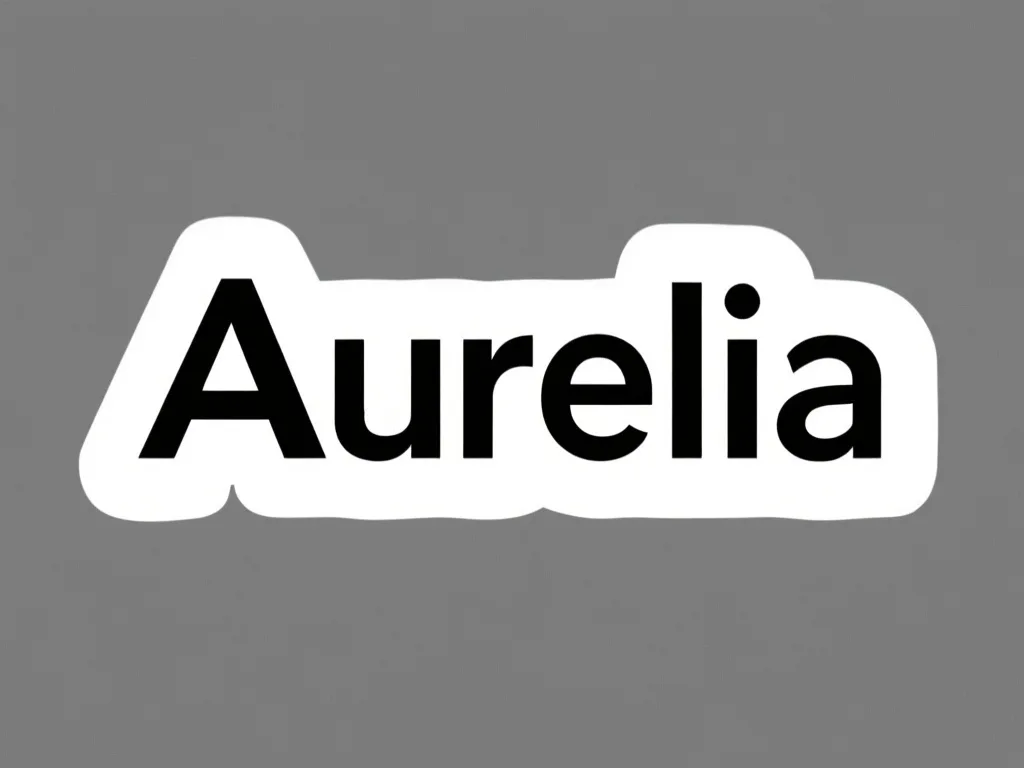
Qwen-Image
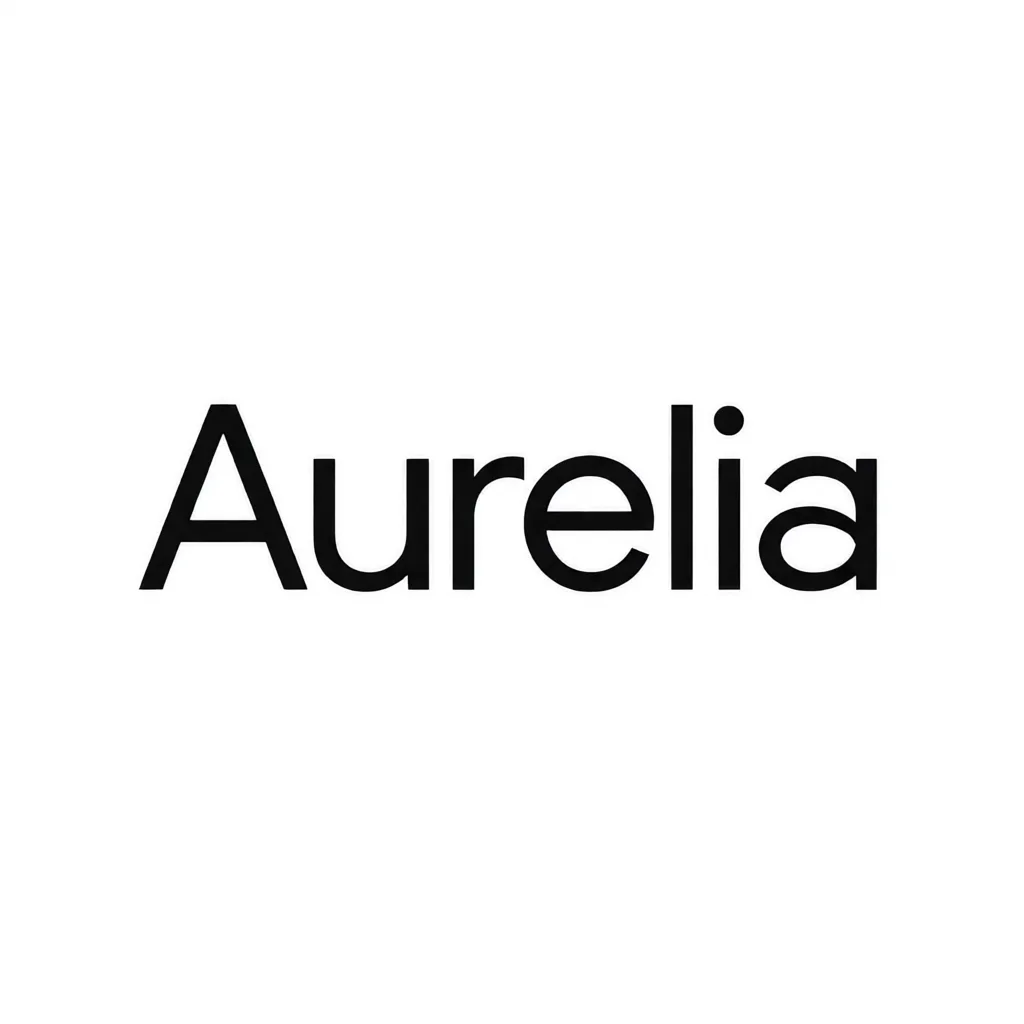
Qwen Image 3.0
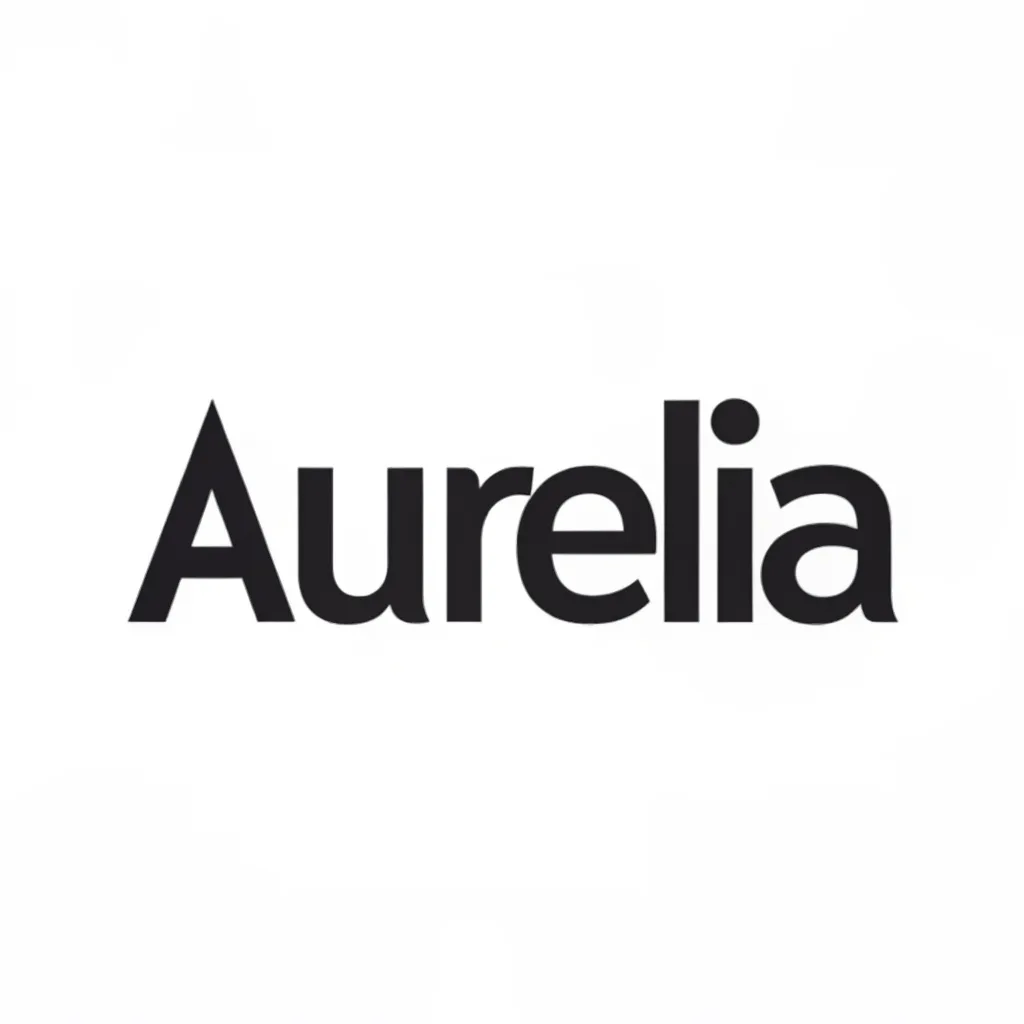
Recraft V3
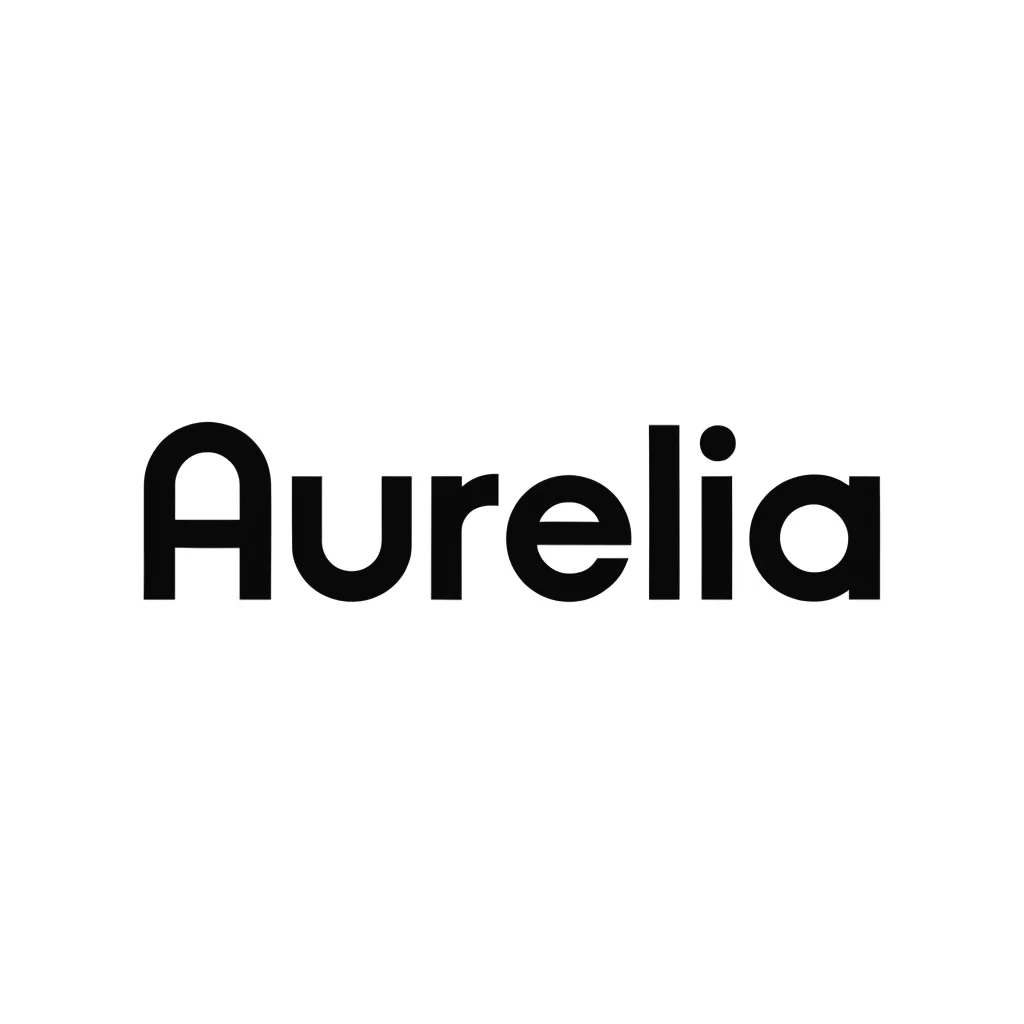
Recraft V4.1
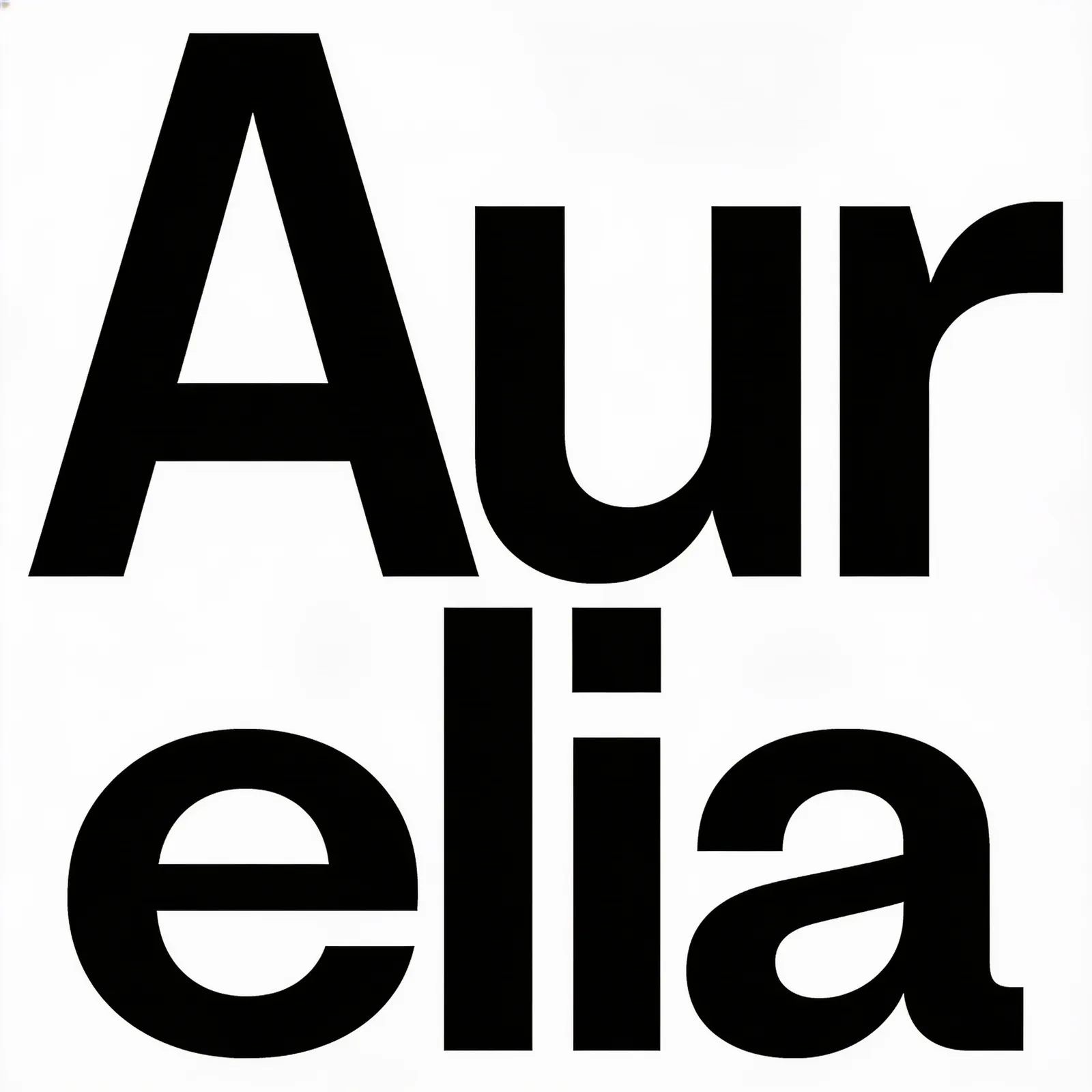
Seedream 4.5
Seedream 5.0 Lite
Seedream 5.0 Pro
Stable Diffusion 1.5
Which model should you build on?
Every model side by side: cost per image, latency, native resolution and per-criterion scores, with a full result gallery and per-category breakdown on every model profile.
The canonical prompt suite
Typography, vector style, brand color, transparency, composition and spatial adherence: each prompt stresses a criterion that decides whether an asset ships, and each has a result grid across all models.
Head to head
Pick two or three models and see every canonical prompt side by side, with per-criterion winners marked.
What the data says
The findings that matter if you are integrating AI imagery into a product: where models fall short of production requirements, measured.
20 of 23 models fail at transparency
We asked every model for transparent PNGs and measured the alpha channel of what came back. Almost none of it survives contact with a real sticker, merch or cut-out pipeline.
No model hits your exact hex
Measured with CIEDE2000 against required brand colors, the best model scores 4.11 of 5 and 15 of 23 land below 3. Close-enough color is not the color in your brand book.
Rendered text: close is not shippable
Nine models render every required string exactly, and the model famous for text lands twentieth of 23. One wrong character means regenerating the whole image, unless the words are editable layers.
No model holds a character across scenes
The same described character drifts between scenes on every model we tested. Series work needs identity as a reusable asset, not a regeneration lottery.
Get the 2026 Benchmark Report
23 models, 37 prompts, 2,550 measured images. Every finding and ranking from this benchmark, with the methodology behind the numbers, as a PDF in your inbox.
Check your inbox.
Your report is on the way.
How we score, and why you can trust it
Every criterion is scored by the cheapest tier that is reliable for it. Numbers a machine can measure are measured; judgments that need eyes get them. Methodology is published in full, models get zero special treatment, and scores are never silently restated.
Measured
Resolution, latency, cost, alpha-channel quality and brand-color drift (CIEDE2000 against the requested hex values): computed from every generation, reproducible from the recorded originals.
Judged
Prompt adherence checklists and composition checks run through a vision-language judge, calibrated against the expert panel. Pending in the pilot dataset and always labeled as such.
Rated
Design-readiness and aesthetics come from a blind expert panel: model names hidden, three raters per cell, agreement reported. Arrives with the frozen suite.
No model on this page scores 5/5. Your product still has to.
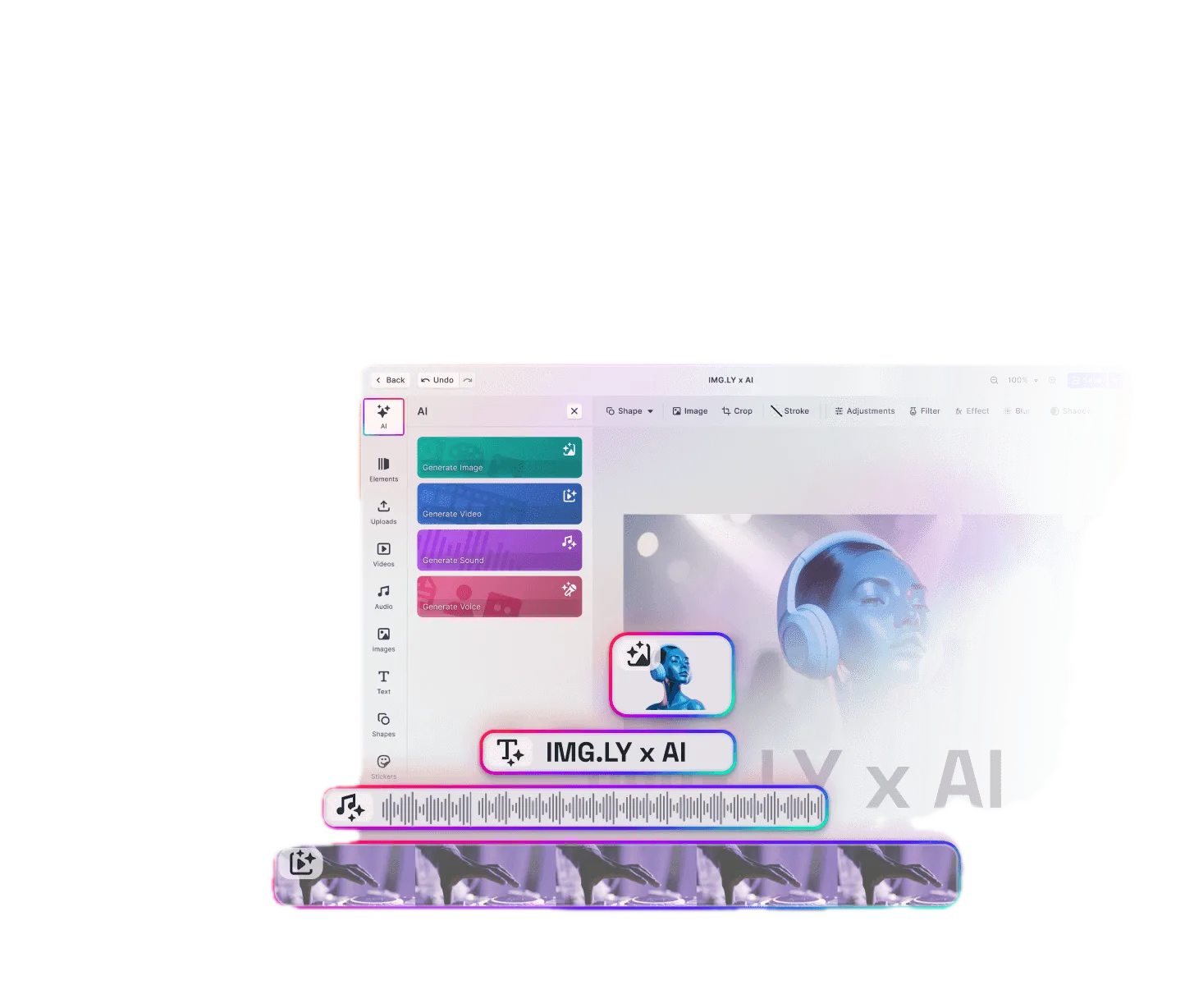
The IMG.LY AI Editor closes the gap: your users refine whatever a model generates into production quality, with background removal, brand kits and editable text on a real canvas.