

The transparency problem in AI image generation
We asked 23 models for die-cut stickers, isolated objects and shirt graphics on transparent backgrounds, and measured the alpha channel of every file they returned. 20 of 23 scored exactly zero: they paint the subject on a white or checkerboard background instead of emitting real transparency. The field averages 0.4 of 5 on this criterion, the lowest of any criterion in the benchmark.

What every model scored
| Transparency score | Runs scored | $ / image | |
|---|---|---|---|
| 1. GPT Image 1.5 Only usable alpha | 4.22 / 5 | 9 | $0.140 |
| 2. Recraft V3 | 2.00 / 5 | 9 | $0.040 |
| 3. Recraft V4.1 | 2.00 / 5 | 9 | $0.035 |
| 4. FLUX.2 [pro] | 0.00 / 5 | 9 | $0.030 |
| 5. FLUX.2 [dev] Turbo | 0.00 / 5 | 9 | $0.008 |
| 6. FLUX.2 | 0.00 / 5 | 9 | $0.012 |
| 7. Gemini 2.5 Flash Image | 0.00 / 5 | 9 | $0.040 |
| 8. GPT Image 2.5 Flare | 0.00 / 5 | 9 | $0.042 |
| 9. GPT Image 2.5 Sunburst | 0.00 / 5 | 9 | $0.036 |
| 10. GPT Image 2 | 0.00 / 5 | 9 | $0.155 |
| 11. Grok Imagine Image 2.0 | 0.00 / 5 | 9 | $0.060 |
| 12. Ideogram 3.0 | 0.00 / 5 | 9 | $0.060 |
| 13. Luma Photon | 0.00 / 5 | 9 | $0.021 |
| 14. Muse Image | 0.00 / 5 | 9 | $0.010 |
| 15. Nano Banana 2 Lite | 0.00 / 5 | 9 | $0.042 |
| 16. Nano Banana 2 | 0.00 / 5 | 9 | $0.080 |
| 17. Nano Banana Pro | 0.00 / 5 | 9 | $0.150 |
| 18. Qwen Image 3.0 | 0.00 / 5 | 9 | $0.040 |
| 19. Qwen-Image | 0.00 / 5 | 9 | $0.020 |
| 20. Seedream 4.5 | 0.00 / 5 | 9 | $0.040 |
| 21. Seedream 5.0 Lite | 0.00 / 5 | 9 | $0.035 |
| 22. Seedream 5.0 Pro | 0.00 / 5 | 9 | $0.135 |
| 23. Stable Diffusion 1.5 | 0.00 / 5 | 9 | $0.002 |


The same sticker prompt, every model
What this means if you are building with AI images
If your product promises stickers, apparel graphics, product cut-outs or any asset that composites onto another surface, the model output is not the deliverable. It is the input to a pipeline. Two consequences follow from the data:
- Plan for background removal, not for luck. With one exception, no amount of prompt engineering produces a cuttable alpha channel. A deterministic background-removal and edge-cleanup step turns every model on this page into a viable source, and it removes the single biggest quality gamble from the workflow.
- Route transparency-critical jobs deliberately. Three models return an alpha channel and only one of them is clean enough to cut. If a job cannot tolerate a cleanup step, a multi-model gateway can route that job to the model that delivers it and send everything else to cheaper generalists.
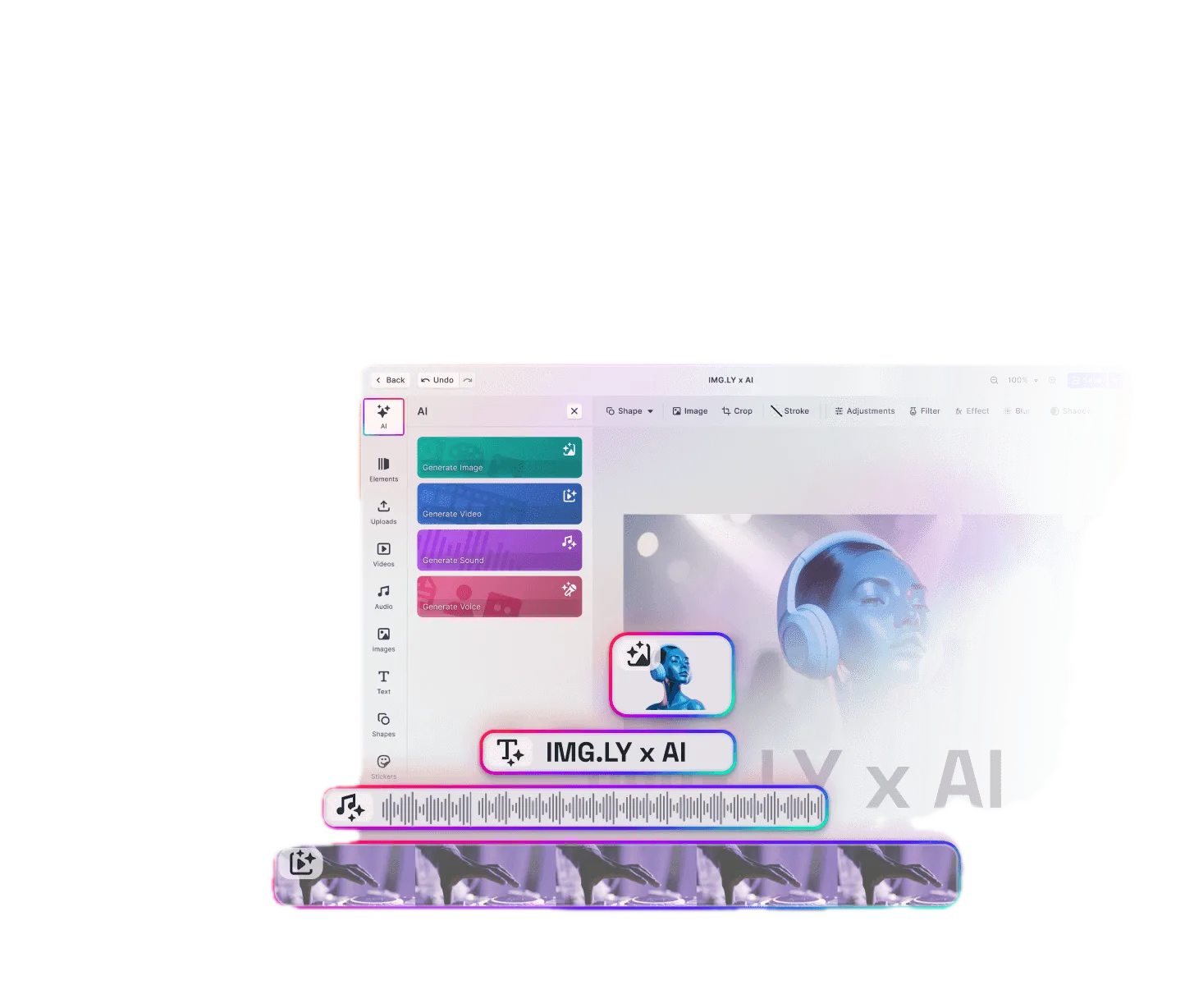
This is the pattern the whole benchmark keeps pointing at: generation is probabilistic, production requirements are deterministic, and the gap between them is closed by an editing step with a human in the loop. Building that editing step is a product job of its own, and it is exactly the job the IMG.LY AI Editor is built for: it pairs generation with the manual controls the models cannot deliver, one-click background removal, edge cleanup, masking and compositing on a real canvas. The extra step the data says is unavoidable becomes a feature of your product instead of a support ticket, and your users get the control they need to be productive with generative AI. See it working in the live AI Editor demo.
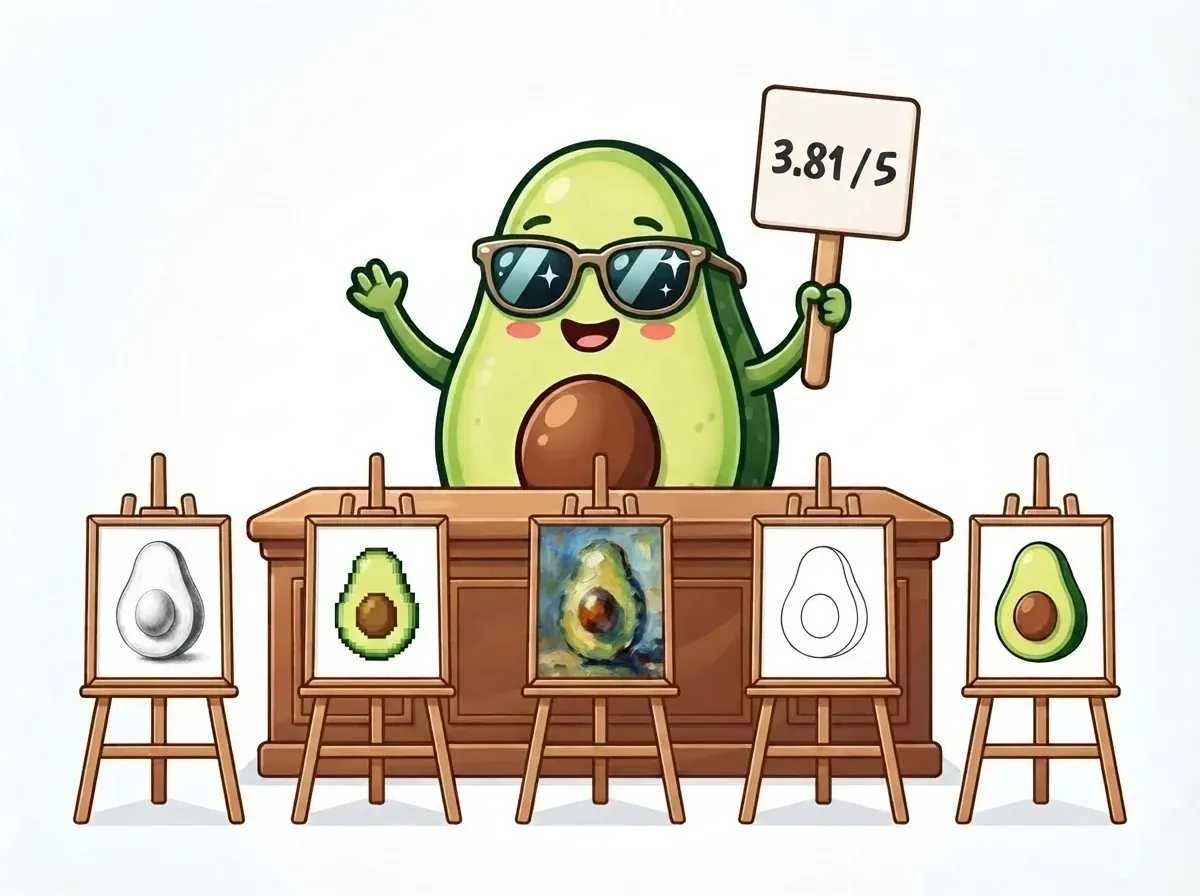
Get the 2026 Benchmark Report
23 models, 37 prompts, 2,550 measured images. Every finding and ranking from this benchmark, with the methodology behind the numbers, as a PDF in your inbox.
Check your inbox.
Your report is on the way.
Close the transparency gap in your product
Give your users the control they need to be productive with generative AI. The IMG.LY AI Editor pairs every model on this page with the manual last mile they lack: background removal, edge cleanup and on-canvas compositing, with the AI Gateway routing each job to the right model.