


With dozens of video editing SDKs on the market, choosing the right one can feel like a daunting task.
To help you cut through the noise, we’ve put together a breakdown of the 7 best video editing SDKs in 2026: IMG.LY, Meishe SDK, Banuba, Shotstack, BytePlus Video Editor SDK, Rendley, and Picsart. We’ll cover:
- Key features and capabilities
- Supported platforms and customization options
- Ideal use cases and trade-offs
This guide is unbiased, but we’ll also highlight how IMG.LY compares and where it stands out for combining a polished editor with scalable automation across web, mobile, desktop and server.
Updated September 2026.
1. IMG.LY CreativeEditor SDK (CE.SDK)
Choosing IMG.LY means selecting a platform that offers both: a Canva-grade editor for your users and a powerful Engine API for automation. That dual focus is what sets CE.SDK apart.
-
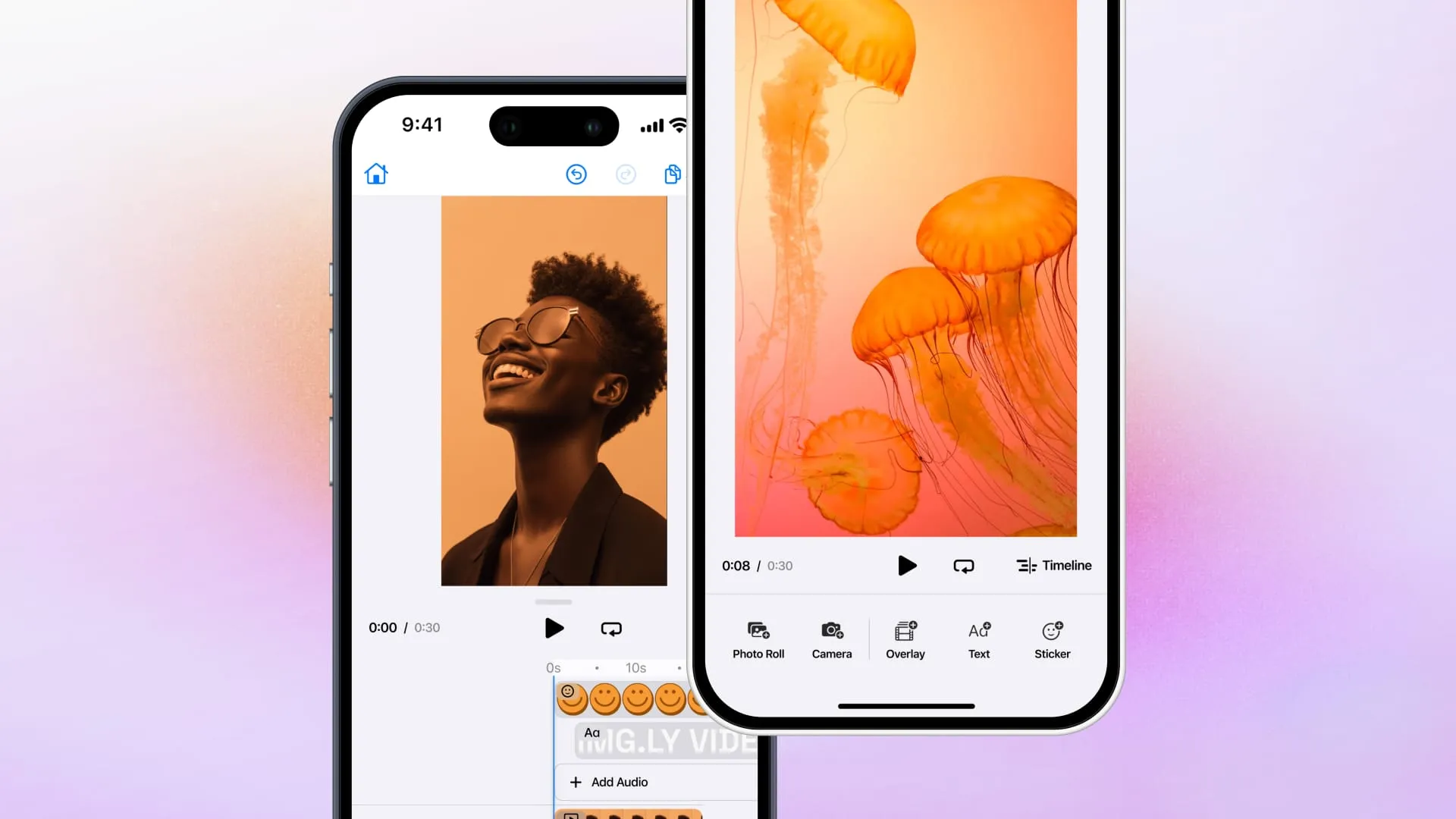
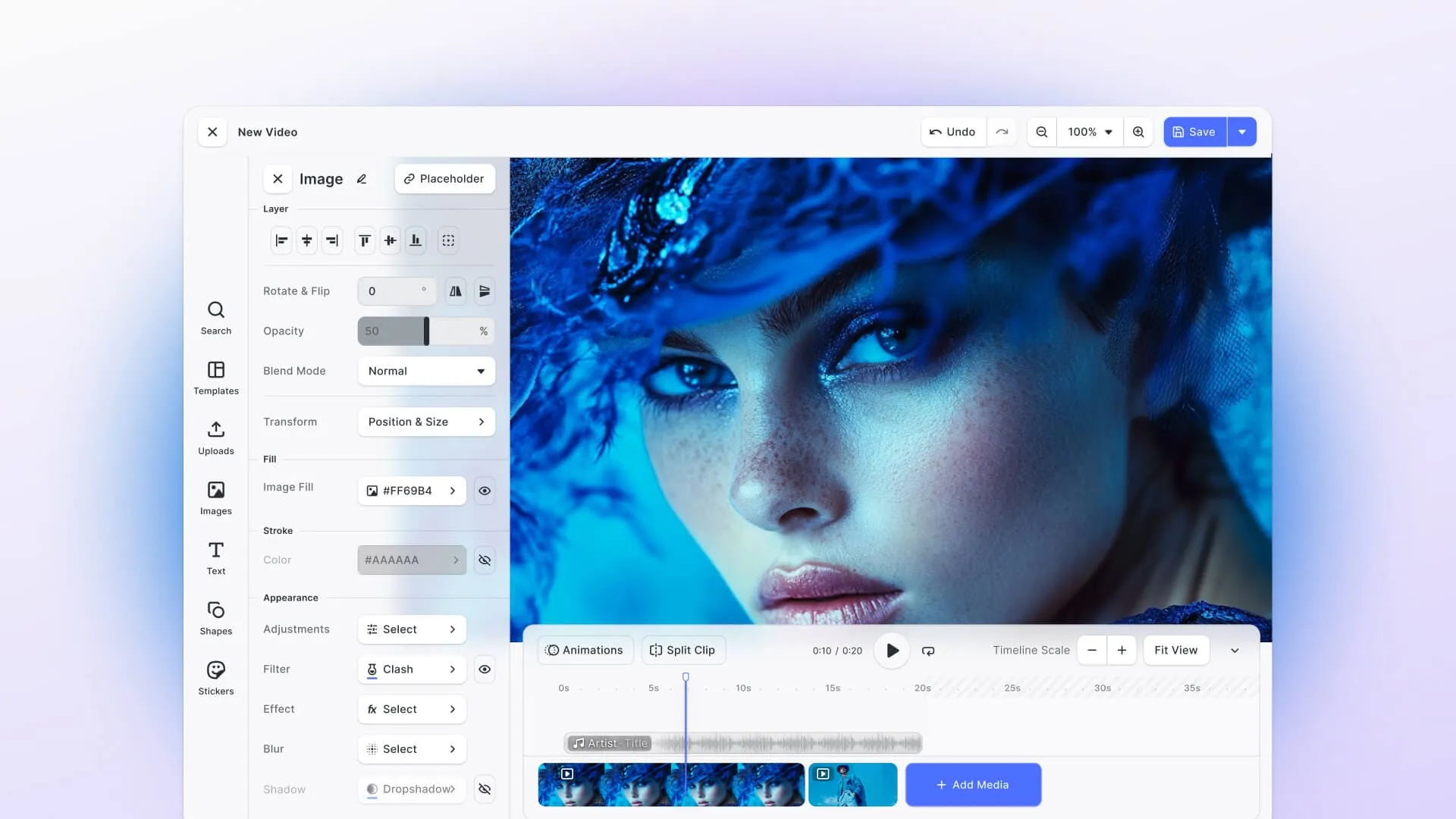
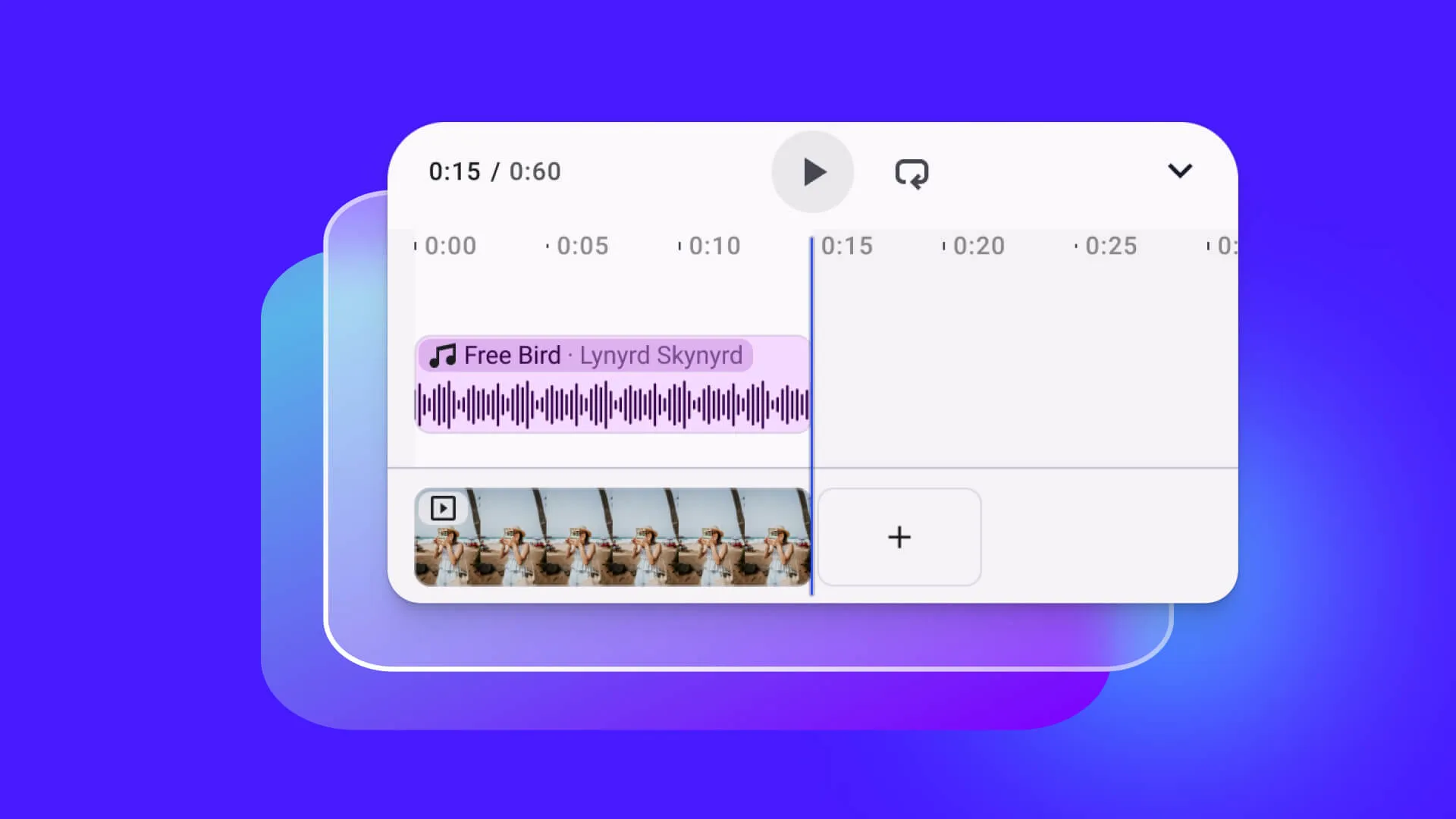
Features & capabilities: CE.SDK works best when you see it as a bridge between what end users expect and what your product team needs behind the scenes. On the surface, users get familiar tools including multi-track editing, ready-made templates, and a growing set of AI features like text-to-image, text-to-video, and text-to-speech, which run on the web, with text-to-image also available on iOS, Android, Flutter and React Native. Behind the scenes, developers can extend and customize with a plugin system so the editor adapts as your product evolves.
-
Platforms & customization: This flexibility carries over to platforms. CE.SDK works across Web, iOS, Android, React Native, Flutter, macOS, Mac Catalyst, Electron, and Node.js. It’s also fully white-label, which means your customers see a seamless extension of your brand, not a third-party tool.
-
Implementation & use cases: Getting started with our tool doesn’t require a huge lift. Teams can spin up a proof of concept quickly, then scale into enterprise deployment when ready. That’s why you’ll see CE.SDK inside SaaS platforms, e-commerce personalization tools, DAM systems, and even social networks.
-
Future-proofing, support & pricing: What reassures teams is the long-term roadmap: regular feature releases, AI integrations, and direct support from solution engineers. Enterprise SLAs and SSO are available on enterprise plans. Pricing depends on the usage, which makes it easier to scale without committing to rigid licensing.
-
Who it’s for: CE.SDK is valuable for SaaS, MarTech, e-commerce, and DAM platforms. These teams need to give users a simple, branded editing experience while also managing complex automation in the background. Instead of stitching together multiple tools or sacrificing one capability for another, CE.SDK provides an all-in-one foundation: polished editing, scalable automation, enterprise-grade support, and ongoing AI-driven innovation.
Key differentiator
CE.SDK doesn’t force you to choose between usability and power. On one side, it delivers a polished, user-facing editor that feels familiar to end users. On the other hand, it provides a powerful automation engine that scales with your product. Most SDKs lean heavily in one direction. They either focus on end-user editing or specialize in backend automation. CE.SDK is different because it combines both in a single platform.
2. Meishe SDK (Meicam)
Meishe SDK, also known as Meicam, is a mature Chinese SDK that has carved out a space in many professional apps across Asia. Think of it as a toolkit built for industries that need stability and advanced editing power, though it comes with a few trade-offs that teams should weigh carefully.
-
Features & capabilities: Meishe offers multi-track timelines, real-time effects, and plugin support across a broad platform list: iOS, Android, HarmonyOS, Windows, macOS, Linux, and the web through WebAssembly, plus smart hardware and in-car systems. Industries like automotive, broadcasting, and education have already used Meishe successfully, showing how it handles complex and demanding video workflows.
-
Platforms & customization: It supports full UI customization, white-labeling, and plugins. And while customization depth is solid, integration tends to be heavier compared to other tools. Documentation can feel dense, which sometimes slows teams down as they work toward launch.
-
Implementation & use cases: Meishe has built out a real AI line alongside the editor, including smart clipping, AI captioning, portrait segmentation and virtual presenters. For large organizations in Asia with strong internal dev resources, these capabilities can be appealing.
-
Future-proofing, support & pricing: Meishe continues to expand with new AI features like face detection, gesture recognition and virtual anchors. It also offers custom enterprise support agreements. However, teams often struggle with the integration process, and the developer experience feels less polished. Setting up complex projects can take longer, and the documentation isn’t as approachable, which leaves some developers hesitant to adopt it widely. Pricing typically follows an enterprise licensing model, which can be less flexible for fast-scaling SaaS companies.
-
Who it’s for: Meishe SDK is best suited for large-scale apps in Asia and companies with internal dev resources.
How it compares to IMG.LY
Meishe delivers solid editing capabilities and is a proven choice in professional and regional contexts. But the trade-offs become clear when you look at integration and support. It can feel heavy to implement, and documentation isn’t as approachable.
IMG.LY pulls ahead here with stronger web support, compatibility with creative file types like PSD, AI, and IDML, and a faster onboarding process that makes it easier for teams to move from idea to production.
Learn more about how IMG.LY compares to Meishe SDK here.
3. Banuba
Banuba is a mobile-first SDK with a strong focus on augmented reality (AR). It has built its reputation on powering social and UGC apps with effects that mimic the TikTok experience. If your product relies on immersive filters, beauty effects, or virtual try-on, Banuba often appears at the top of the evaluation list.
-
Features & capabilities: The SDK provides a TikTok-like editor with AR masks, beauty filters, face tracking, background removal, and even virtual try-on, though that comes through a separate Face AR SDK integration. It has since added AI clipping and AI captions, so the editor now covers some of the automated work too. These tools are designed to keep users engaged with interactive and shareable content.
-
Platforms & customization: Banuba supports iOS, Android, Flutter, and React Native, and lists NativeScript as compatible. It offers modular components with a preset UI, which makes implementation faster for mobile. That said, customization options are limited when compared to solutions designed for enterprise-level flexibility.
-
Implementation & use cases: Integration is relatively quick for mobile teams, and the SDK has proven popular among social media platforms, beauty apps, and e-commerce companies offering AR try-on. However, support for web or large-scale enterprise environments is limited, which narrows its scope.
-
Future-proofing, support & pricing: The company continues to expand its AR and AI features, focusing on personalization and beauty-driven effects. Licensing isn’t publicly disclosed, so you’ll need to talk to their team to find out where you land, which can be a barrier for smaller companies.
-
Who it’s for: Banuba is best suited for mobile apps that need advanced AR features like beauty filters, face tracking, or virtual try-on to keep users engaged, though try-on comes through a separate Face AR SDK integration.
How it compares to IMG.LY
Banuba leads when it comes to AR-driven capabilities, making it a natural fit for beauty and social platforms. But when teams look beyond filters to enterprise readiness, automation, and cross-platform support, other options such as IMG.LY offer broader possibilities.
Learn more about how IMG.LY compares to Banuba here.
4. Shotstack
Shotstack started with automation. It’s a cloud-based video editing API designed for bulk rendering, and it has since added an embeddable editor on top. Teams often evaluate it when they need to generate thousands of videos quickly and at scale.
-
Features & capabilities: Shotstack runs on a JSON-driven API that lets developers programmatically create and assemble video content. With this approach, teams can handle automated ad generation, personalization, or large-scale marketing campaigns. If you want end-user editing, Shotstack now ships the Studio SDK, a white-label editor you install from npm and style to match your brand.
-
Platforms & customization: Shotstack is built as a REST API in the cloud, so it fits naturally into modern development stacks. The Studio SDK covers the editor side with cut and trim, stitching clips, transitions, filters and effects. Its source sits on GitHub under the PolyForm Shield license, which permits commercial use as long as you aren’t building a direct competitor.
-
Implementation & use cases: Developers appreciate the smooth onboarding experience and clear API structure. Typical use cases include bulk rendering of ads, dynamic personalization for campaigns, and other scenarios where scaling output matters more than in-app editing.
-
Future-proofing, support & pricing: Shotstack continues to invest in automation and AI-powered generation, offering tools that personalize video creation at scale. The vendor provides commercial SLAs. Pricing follows a pay-as-you-go model or subscription plans, with a free tier to start on, which can work well for predictable, high-volume usage.
-
Who it’s for: Shotstack is best suited for teams whose main problem is scalable rendering and automation, with an editor available when they need one.
How it compares to IMG.LY
Shotstack gives you powerful rendering automation and programmatic workflows, and its Studio SDK now covers in-app editing as well. The difference is depth and reach: IMG.LY’s editor runs across web, mobile, desktop and server, handles design formats like PSD, AI, and IDML, and is built to be extended through plugins.
Get a detailed comparison of IMG.LY CreativeEditor SDK and Shotstack here.
5. BytePlus Video Editor SDK
BytePlus Video Editor SDK is modeled after TikTok and CapCut. It’s designed to give app developers the same kind of short-form, social-first editing experience that has made those platforms successful. As a result, it appeals to teams that want to replicate TikTok-like engagement inside their own apps.
-
Features & capabilities: The SDK comes as three prebuilt pieces: a camera with segmented recording and speed control, a preview editor for music, voice-over, text and stickers, and a track editor for splitting, cropping, transitions and audio mixing. On top of that sit one-tap templates and an AI highlight clip that picks the best moments from a user’s albums. Premium beauty effects and effect stickers are not part of the base package; they come through the separate BytePlus Effects add-on.
-
Platforms & customization: BytePlus ships the Video Editor SDK for iOS and Android only, with all processing on the device and no web, desktop or server SDK documented. BytePlus documents React Native and Flutter integration guides for the Video Editor SDK but publishes no React Native or Flutter package for it. You can adjust theme colors, copy and icon order to match your brand, but customization beyond theming is limited, which can be a constraint if you need deeper control.
-
Implementation & use cases: Since it’s built for mobile integration, you can embed it in a few weeks into short-form consumer video apps. Common use cases include social platforms, creator tools, and any consumer-facing product that thrives on quick, template-driven video.
-
Future-proofing, support & pricing: With the backing of TikTok’s ecosystem, BytePlus is evolving rapidly, adding new AI-driven editing features frequently. However, commercial support feels less transparent, and licensing comes through enterprise negotiations with annual fees covering both platforms. This structure can work for large consumer platforms, but may be harder for smaller teams.
-
Who it’s for: BytePlus is best suited for mobile apps that want to recreate TikTok-style editing workflows and rely on a prebuilt editor to keep users engaged.
How it compares to IMG.LY
BytePlus takes a step ahead when it comes to a ready-made, social-style mobile editor. But if you need web or desktop support, more flexibility in customization, automation capabilities, or enterprise-grade workflows, IMG.LY offers a broader solution.
For a detailed comparison, take a look at our guide on IMG.LY vs BytePlus Video Editor.
6. Rendley
Rendley is a newer player in the SDK space and has gained attention because it renders in the browser rather than on render servers. It’s JavaScript-based, which means you don’t need a server to get started. This makes it attractive for teams that want a lightweight, client-only setup without managing infrastructure.
-
Features & capabilities: The SDK supports multi-track editing, keyframes, and Lottie animations exported from After Effects. These features give frontend developers enough flexibility to build interactive editing experiences directly in the browser.
-
Platforms & customization: Rendley runs in the browser, which makes it a natural fit for lightweight web apps and UGC platforms, and you can self-host the same engine on a server when browser rendering isn’t the right fit. There’s also a prebuilt editor UI you can embed as a web component, free to use or available as source if you want to change it.
-
Implementation & use cases: Setting up Rendley is straightforward for frontend teams, which makes it appealing for lightweight UGC applications or smaller web projects. AI has become a much bigger part of the product: there’s an editing agent that cuts and captions from a prompt, an MCP server, and endpoints for text-to-speech, music, lip sync, translation, upscaling and background removal.
-
Future-proofing, support & pricing: Rendley is still a younger product than most of this list, so it’s worth asking about track record at your scale. Pricing for the SDK is published: a free tier, a paid tier priced by team size rather than per render, and an enterprise tier with custom terms.
-
Who it’s for: Rendley fits developers who want a browser-native, client-only editing tool without the need for server infrastructure.
How it compares to IMG.LY
Rendley works well as a lightweight, browser-native solution, and its AI tooling has caught up quickly. IMG.LY’s advantage is reach beyond the browser: native mobile and desktop SDKs, server-side rendering, and design file formats like PSD, AI, and IDML.
Learn more about how IMG.LY is a great alternative for Rendley.
7. Picsart Video SDK
Picsart Video SDK is an embeddable video editor SDK that brings Picsart’s creative editing tools into third-party apps or websites.
-
Features & capabilities: This SDK brings the company’s well-known creative editing tools into third-party products. Out of the box, you get features like trimming, multi-scene editing, transitions, dynamic audio, subtitles, and text overlays, enough to cover the basics of video creation. AI-driven tools extend these capabilities with smarter image and video editing options.
-
Platforms & customization: The SDK is a browser-based JavaScript editor you add with a script tag, with a React.js integration guide if that’s your stack, making it appealing for web-first platforms. You can configure the UI, apply theming, white-label the experience, toggle features on or off, and integrate your own asset library so the editor matches your product’s design and workflow.
-
Implementation & use cases: One of Picsart’s strengths is ease of setup: installation is fast, documentation is detailed, and the editor is designed to embed with minimal lift. One constraint to plan around is WebView, which is not officially supported. Picsart’s browser-support page still says desktop only, but its March 2026 release notes add mobile web support for the embedded editor, offered on request, so confirm the current position with them. This makes it a good choice for advertising or marketing platforms, edu-tech products, and media platforms that want to give users creative tools quickly.
-
Future-proofing, support & pricing: The SDK is backed by Picsart’s large ecosystem, including a documented lineup of AI model providers covering image and video generation, so teams can expect regular updates, new features, and scalable performance. Support comes through developer documentation, a support team, and enterprise collaboration options. Pricing is published, with several packages to choose from alongside enterprise options.
-
Who it’s for: Picsart’s Video SDK is best for teams that need a web-based video editor to power product features or educational video production without investing heavily in custom development.
How it compares to IMG.LY
Picsart offers a fast, embeddable editor with AI effects and a strong ecosystem. However, IMG.LY provides deeper customization, more automation capabilities, cross-platform support, and enterprise-grade integrations.
Learn more about how IMG.LY compares to Picsart here.
Overview Table (Use Cases vs. Solutions)
Here is how the seven options line up on the five questions teams ask most often during an evaluation.
| SDK | Best for | Platforms | Editor UI | Customization depth | Pricing model |
|---|---|---|---|---|---|
| IMG.LY CE.SDK | SaaS, MarTech, e-commerce and DAM platforms that need a user-facing editor and backend automation | Web, iOS, Android, React Native, Flutter, macOS, Mac Catalyst, Electron, Node.js | Included | Fully white-label, extensible through a plugin system | Usage-based |
| Meishe (Meicam) | Large-scale apps in Asia with strong internal dev resources | iOS, Android, HarmonyOS, Windows, macOS, Linux, Web (WASM) | Included | Full UI customization, white-labeling and plugins, though integration is heavier | Enterprise licensing |
| Banuba | Mobile apps built around AR: beauty filters, face tracking, virtual try-on (through a separate Face AR SDK integration) | iOS, Android, Flutter, React Native (NativeScript listed as compatible) | Included | Modular components with a preset UI, limited beyond that | Not public |
| Shotstack | Bulk rendering and automation pipelines, with an editor when you need one | Cloud REST API, plus a browser editor SDK | Included (Studio SDK) | Studio SDK source on GitHub under the PolyForm Shield license | Pay-as-you-go or subscription, free tier |
| BytePlus Video Editor SDK | Mobile apps recreating TikTok-style editing workflows with a prebuilt editor | iOS, Android (React Native and Flutter through documented integration guides, no package) | Included | Theme colors, copy and icon order, limited past that | Enterprise negotiation with annual fees |
| Rendley | Browser-native editing, with server-side rendering when you need it | Browser (JavaScript), self-hosted server rendering | Included (web component) | Prebuilt editor UI with source available, enterprise tier for custom terms | Published tiers, priced by team size |
| Picsart Video SDK | Web-first product, edu-tech and media teams that want a fast embed | Browser JavaScript, mobile web on request, no WebView | Included | Configurable UI, theming, white-label, feature toggles, own asset library | Published packages, plus enterprise on request |
Conclusion
When you line these SDKs up side by side, it’s clear that each one has its own niche strengths and limitations. Here’s a quick overview:
- Banuba / BytePlus: These are the strongest options for social apps: Banuba for beauty filters and AR effects, BytePlus for a prebuilt TikTok-like editor.
- Meishe: A professional, Asia-centric SDK with heavy native capabilities, but a steeper implementation curve.
- Shotstack / Rendley: Both shine in automation pipelines or lightweight browser-based setups, and both now ship an embeddable editor of their own.
- Picsart: A strong web-first, prebuilt editor with AI effects that’s simple to embed, with mobile web available on request but no WebView support.
Where does that leave you?
If you’re evaluating SDKs, you need to balance two priorities: delivering a great editor UX for your users and scaling automation behind the scenes. Several of these cover both ends, so the question is how far each side goes. IMG.LY pairs a polished, enterprise-ready editor with a scalable automation engine across web, mobile, desktop and server.
That makes it the go-to option for teams planning not only their current projects but also long-term growth. With IMG.LY, you can give users a polished editing experience today while building the automation backbone that will let your product scale tomorrow.
If you’d like to see how IMG.LY can fit into your platform, get in touch with our experts today for a deeper look and tailored guidance.
FAQ
Which video editing SDK should I choose? It depends on what the video feature is actually for. If your users are editing inside your product, look at IMG.LY, Banuba or Picsart. If nobody touches the video and you are generating thousands of them, Shotstack. If you want everything to run in the browser, Rendley. Ranking them in a single line doesn’t help much, because they are solving different problems.
Do these SDKs include a ready-made editor, or do I build the UI myself? All seven ship an editor of some kind. Shotstack has its Studio SDK and Rendley a drop-in web component, so the old split between automation APIs and editor SDKs is largely gone. What still differs is how far you can customize the UI and which platforms it runs on.
Which video SDKs work on both iOS and Android? IMG.LY, Meishe, Banuba and BytePlus all ship native iOS and Android SDKs. IMG.LY and Banuba also offer React Native and Flutter bindings, BytePlus documents React Native and Flutter integration guides for its Video Editor SDK but publishes no React Native or Flutter package for it, and Meishe’s Flutter route is a community-uploaded plugin last published in 2024. Shotstack, Rendley and Picsart are browser and cloud products, so on mobile you are relying on the browser, and Picsart supports mobile web on request but not WebView.
Can I run video editing entirely in the browser? Yes. Rendley renders on the device using WebCodecs with a WebAssembly fallback, and CE.SDK also runs client-side in the browser. Both offer a server-side path as well, for when you would rather render off the user’s machine than on it.
Which of these SDKs publish their pricing? Rendley publishes tiers for its SDK and Shotstack publishes plans with a free tier. Picsart publishes packages too. IMG.LY prices on usage. Meishe, Banuba and BytePlus don’t list pricing publicly, so for those you will be talking to a sales team before you know where you land.
Do these SDKs support AI video features? Most of them do now. CE.SDK has text-to-image on the web plus iOS, Android, Flutter and React Native, and text-to-video and text-to-speech on the web. Rendley runs an editing agent that cuts and captions from a prompt. Banuba added AI clipping and AI captions, Meishe has smart editing and virtual presenters, and Picsart exposes a documented list of generation models.
Which SDK is best for TikTok-style social video? BytePlus and Banuba are the two built for it. BytePlus is modeled on TikTok and CapCut and ships a prebuilt camera, preview editor and track editor for iOS and Android. Banuba is stronger on AR masks, beauty effects and face tracking. Both are mobile-first, so check the platform list before committing if you also need web.
Is the Shotstack Studio SDK open source? The source is on GitHub under the PolyForm Shield license, which lets you use it commercially as long as you are not building something that competes directly with Shotstack. That is more permissive than most commercial SDKs and more restrictive than a true open-source license.