


Your design editor for web-to-print
A cross-platform web-to-print design editor that merges smart templates, automation, and modern image editing, fully customizable so you can scale and automate workflows for your customers and teams.
- Print-ready PDF/X export
- Templates & variable data
- CMYK & spot color
- Native AI features
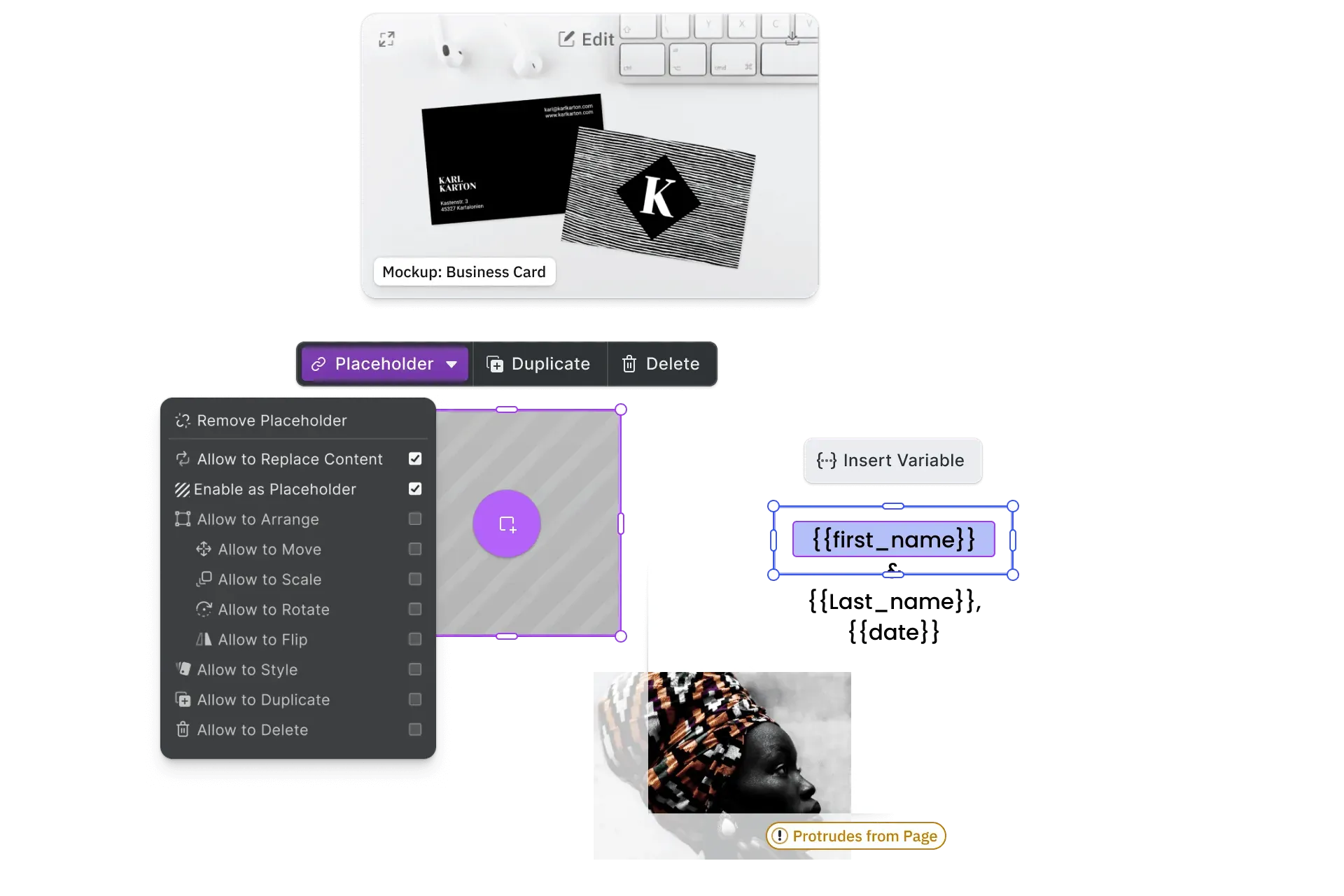


Print Editor SDK built for product teams shipping web-to-print
Replace a multi-month editor build with a ready-to-integrate SDK and a developer-focused proven workflow.
Launch a web-to-print editor in weeks
Replace a multi-month build with a starter kit and a focused integration.
Mass-personalize every print product
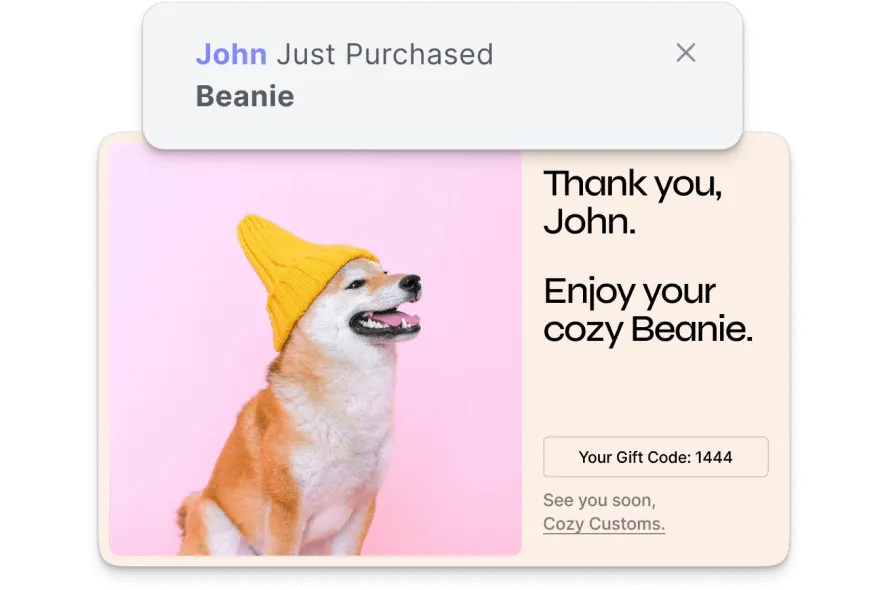
Text variables and smart templates automate postcards, brochures, and variable data print runs.
Print-ready files, every time
Configurable bleeds, cutout lines, and spot colors produce pixel-perfect PDF/X output.
Trusted by 100+
industry leaders














Our customers create over a million personalized postcards each year choosing from over hundreds of templates with IMG.LY’s SDK. It’s the only solution that allows us to build our own specialized, on-brand UI that integrates seamlessly with our platform.
Jeanine Zaalberg
Product Manager, SwissPost

It's hard to imagine we could have launched PostBuddy without a design editor SDK. Customers want an integrated experience, and we needed to channel our limited resources into our core mission, not a custom editor.
Hans Christian Bøggild
Co-Founder, PostBuddy

From a developer’s perspective, the most powerful feature of the photo editor is the integration process. It was completely flawless, quick, and easy to integrate.
Stefano Fornari
CTO, Funambol

We compared IMG.LY SDK with other solutions and found that it would be the best fit for us since it provides all the features that are crucial for our use case.
Carem Pereira
SCRUM Manager, HP

Key Capabilities
One SDK for web-to-print: smart templates, variable data, and print-ready export to serve any print product.
For your users
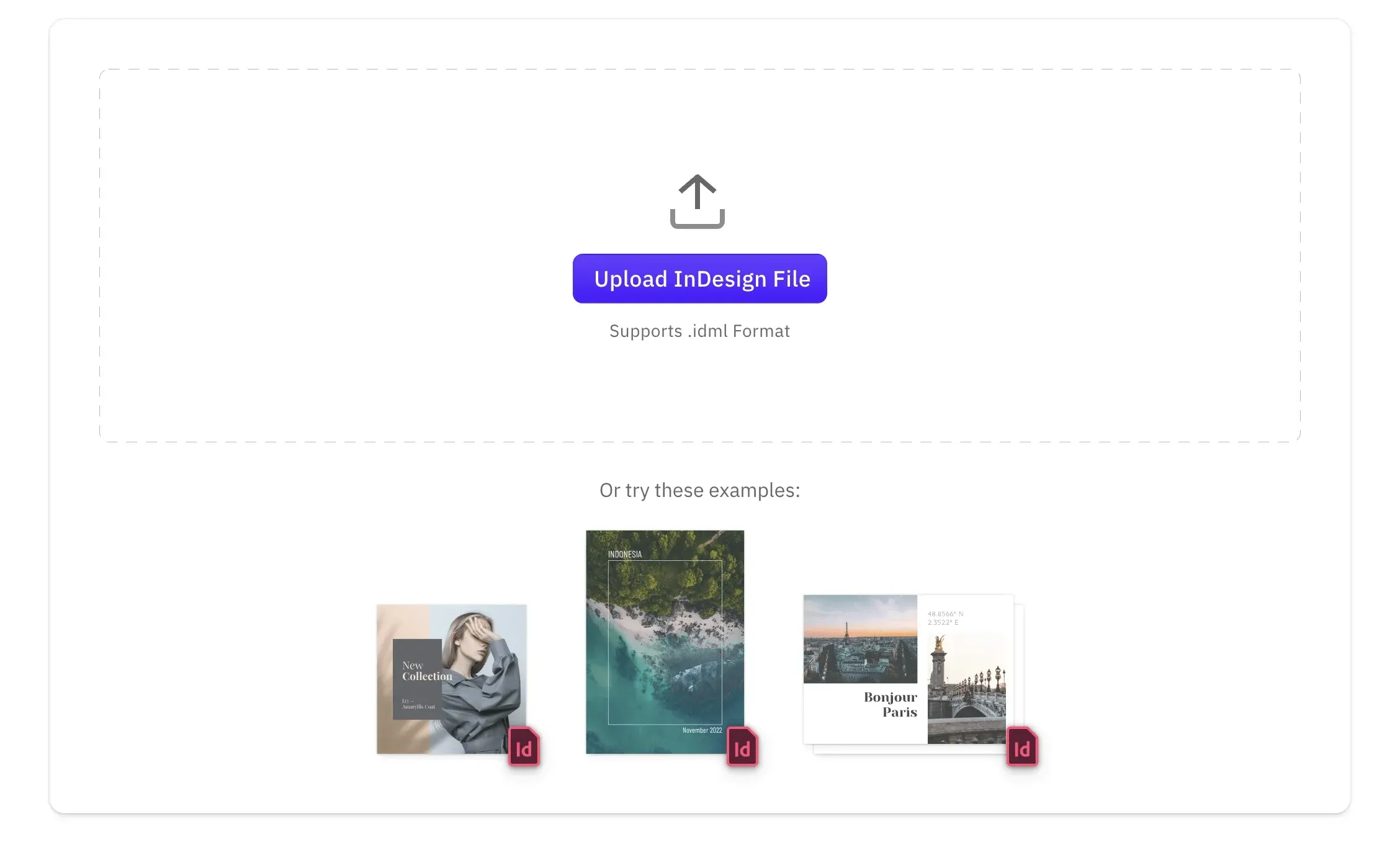
Bring your existing templates.
IDML, PSD, PDF, and PPTX files import as editable scenes, not flat images.
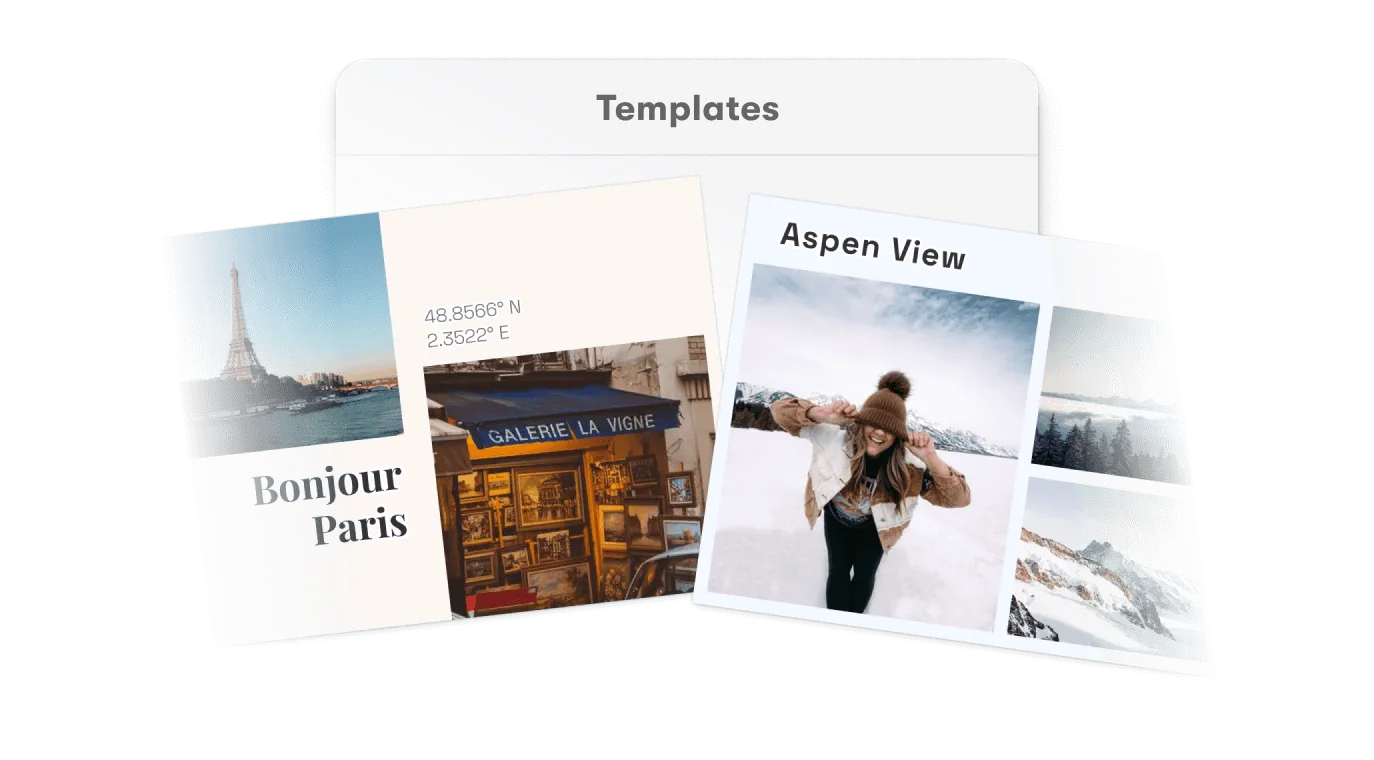
Smart templates & placeholders.
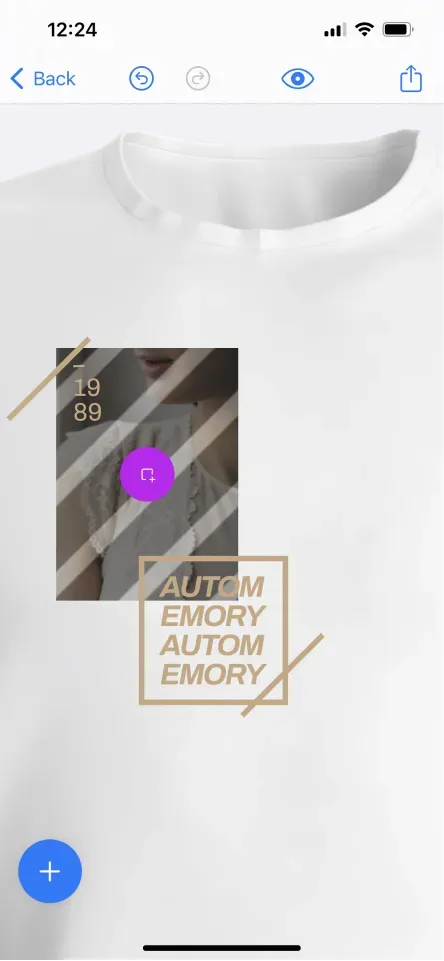
Guide customers with ready-made print templates, lockable layouts, and dynamic placeholders for every print product.
Variable data printing.
Merge names, addresses, offers, and structured data into smart templates for high-volume variable data print runs.

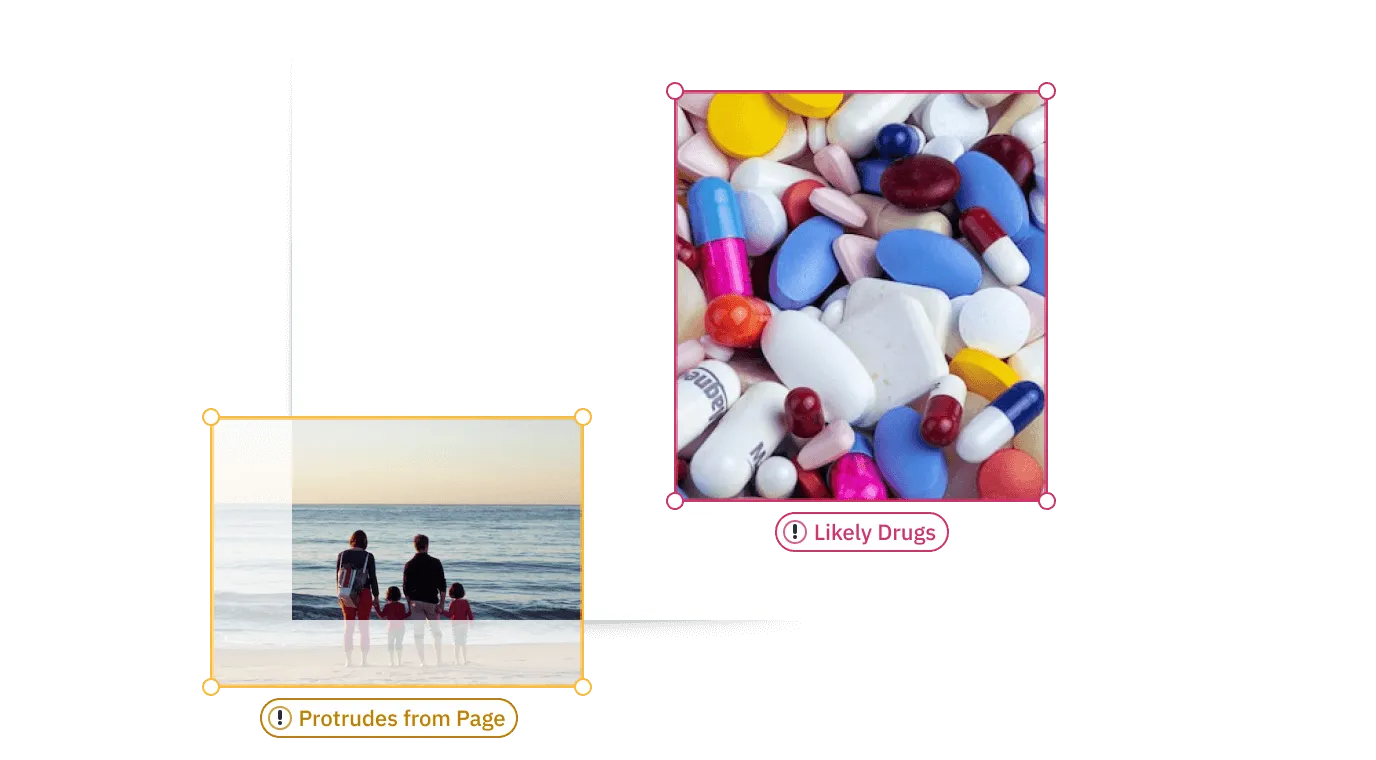
Design validation, ready to adapt.
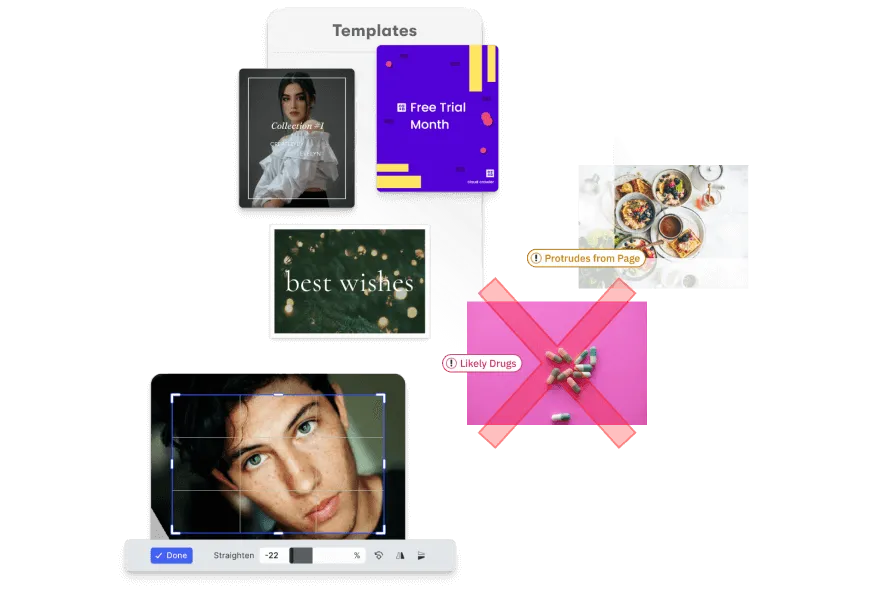
Starter kit checks catch low-resolution images and elements outside or protruding beyond the page before a file is ever exported, and you can extend them with your own rules.
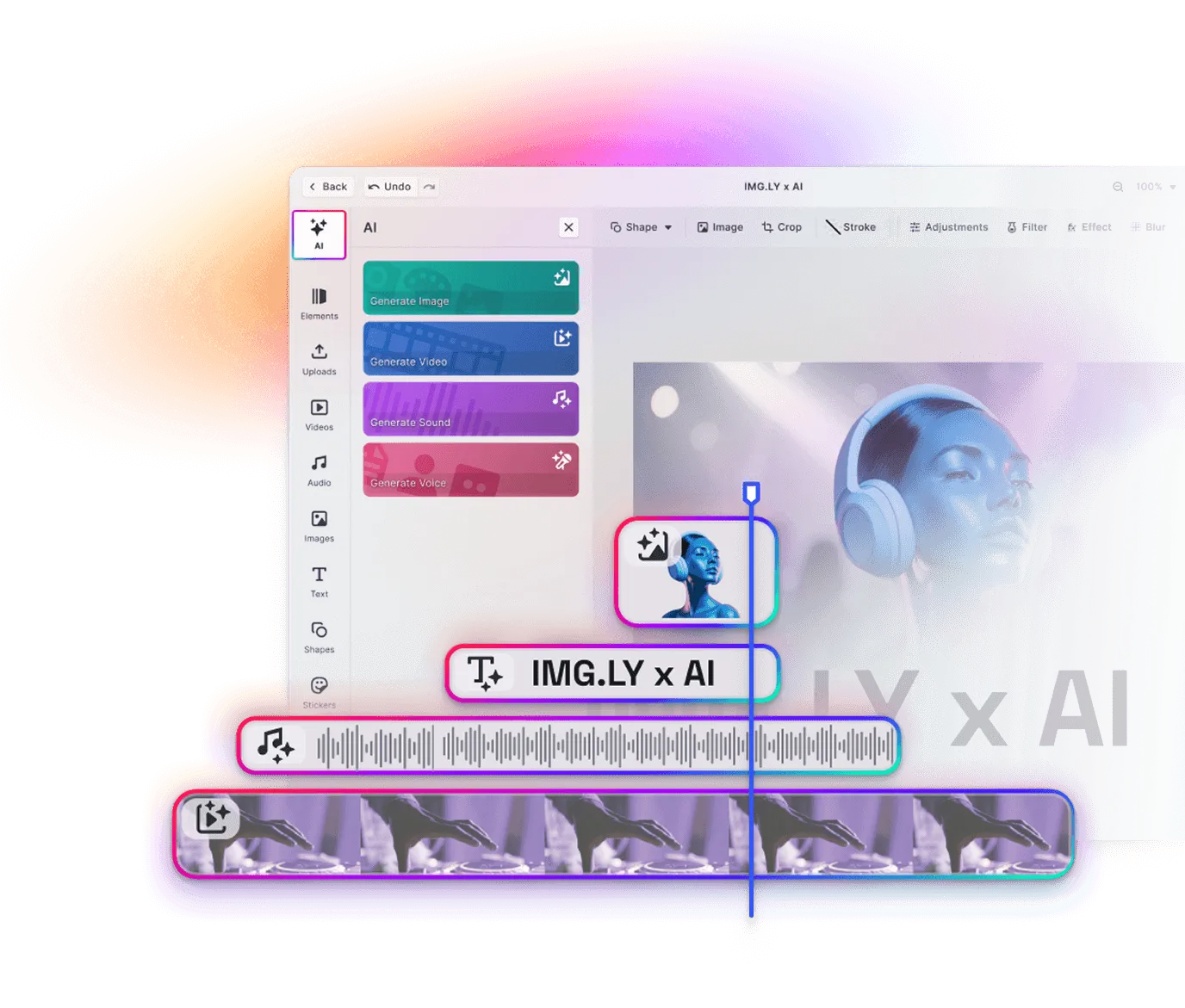
Native AI features.
Generate print-ready images, vector graphics, and copy from a simple prompt, with background removal, style transfer, and on-brand variants all built in.
Print formats & aspect ratios.
One-click presets for standard business card, postcard, brochure, and poster sizes.

Product editing & personalization.
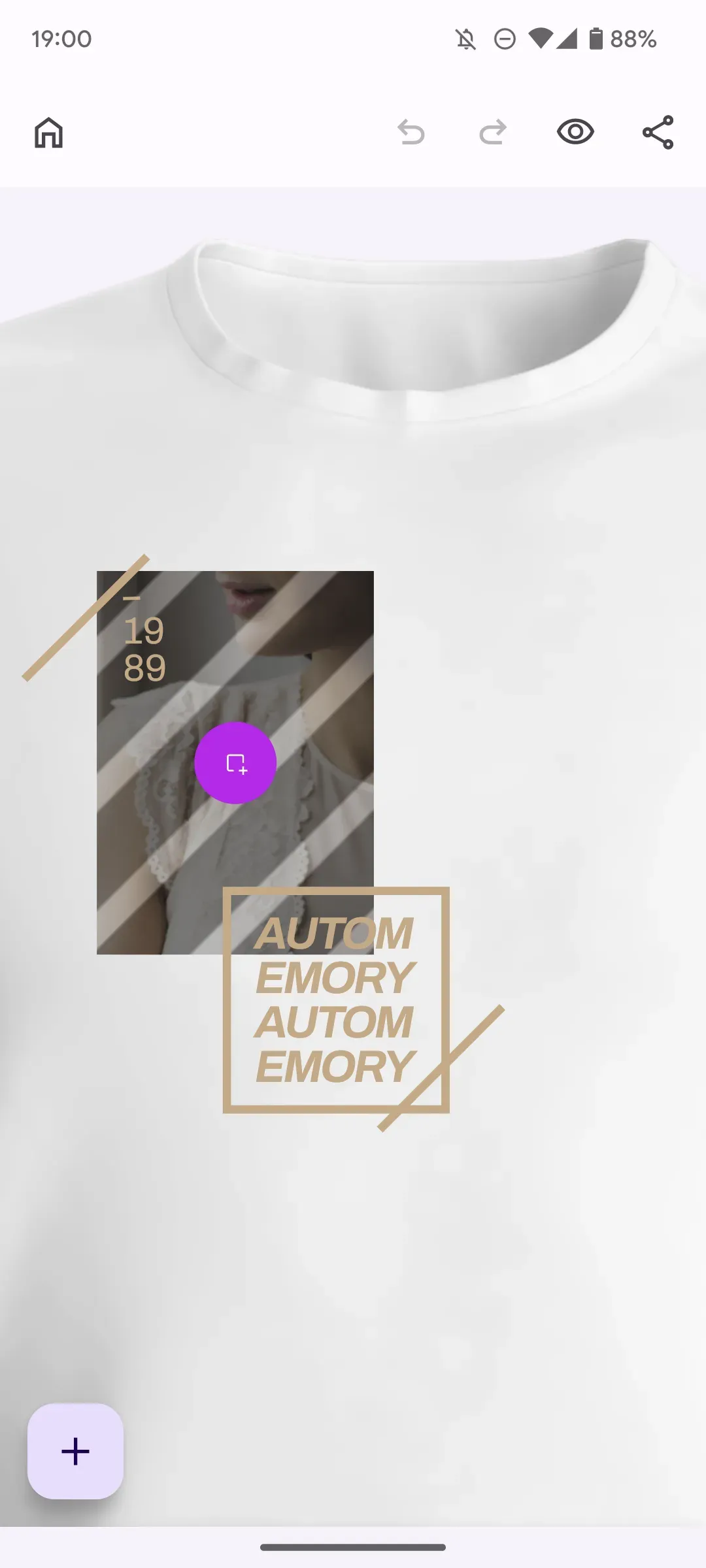
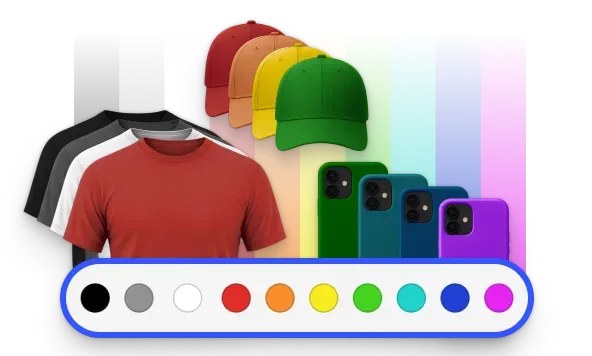
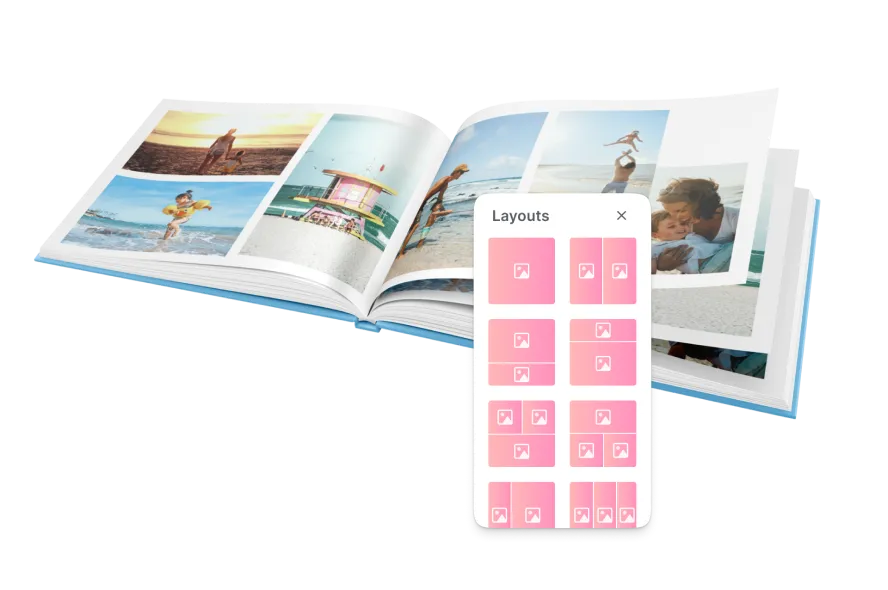
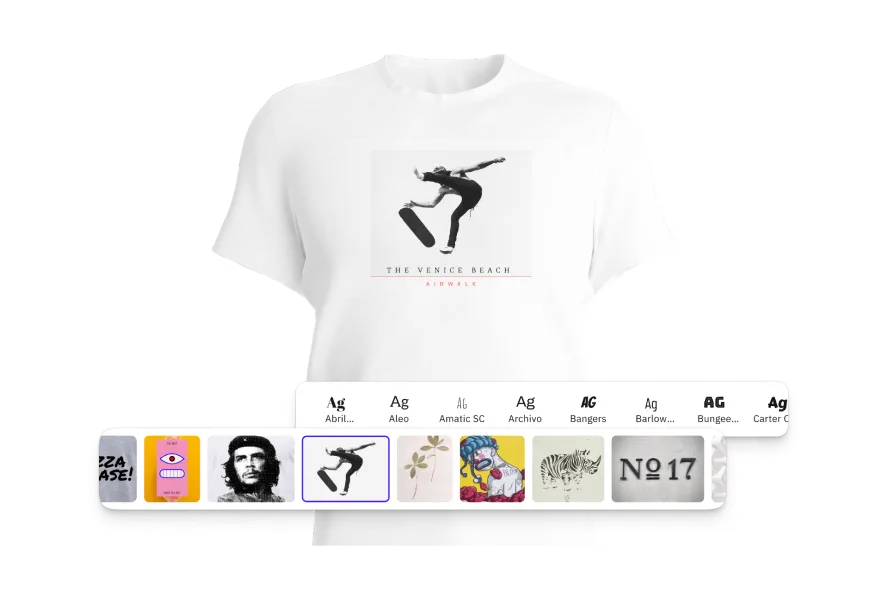
Let customers configure and personalize physical products (apparel, mugs, packaging, photo books) with live previews and lockable design areas.
For your product
Cross-platform engine.
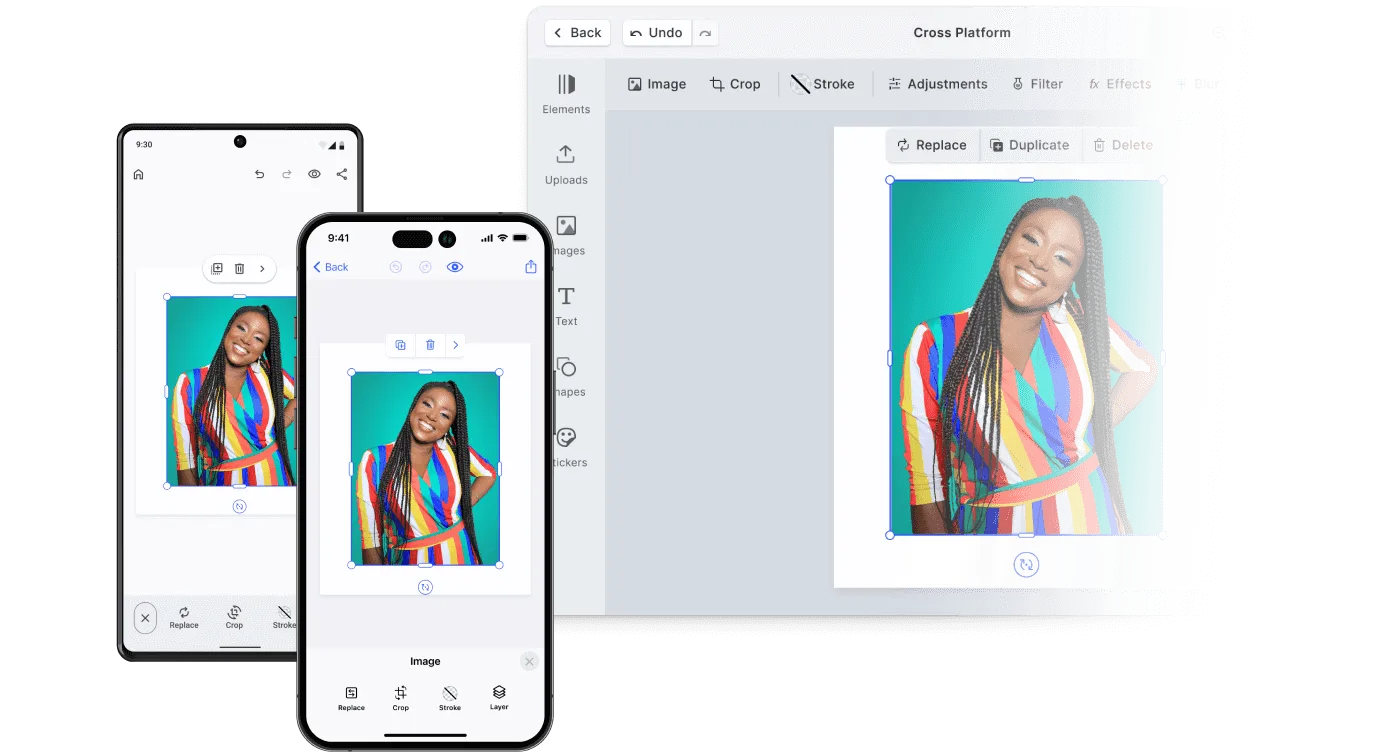
One creative engine renders identically across web, mobile, desktop, and server.
Die-cut and shaped products.
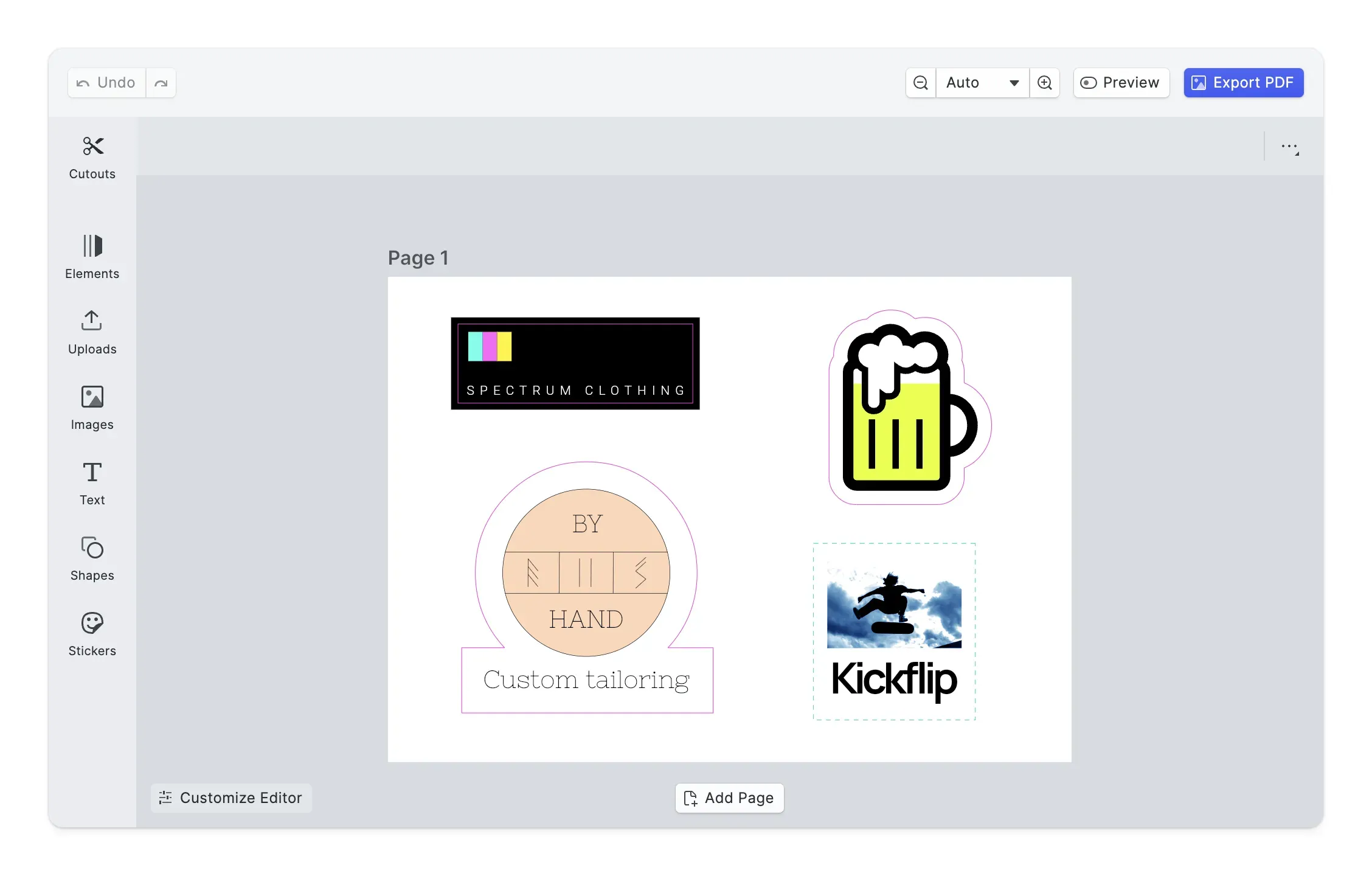
Cut paths from SVG or element contours, solid or perforated, exported as CutContour spot colors.
Print-ready PDF/X export.
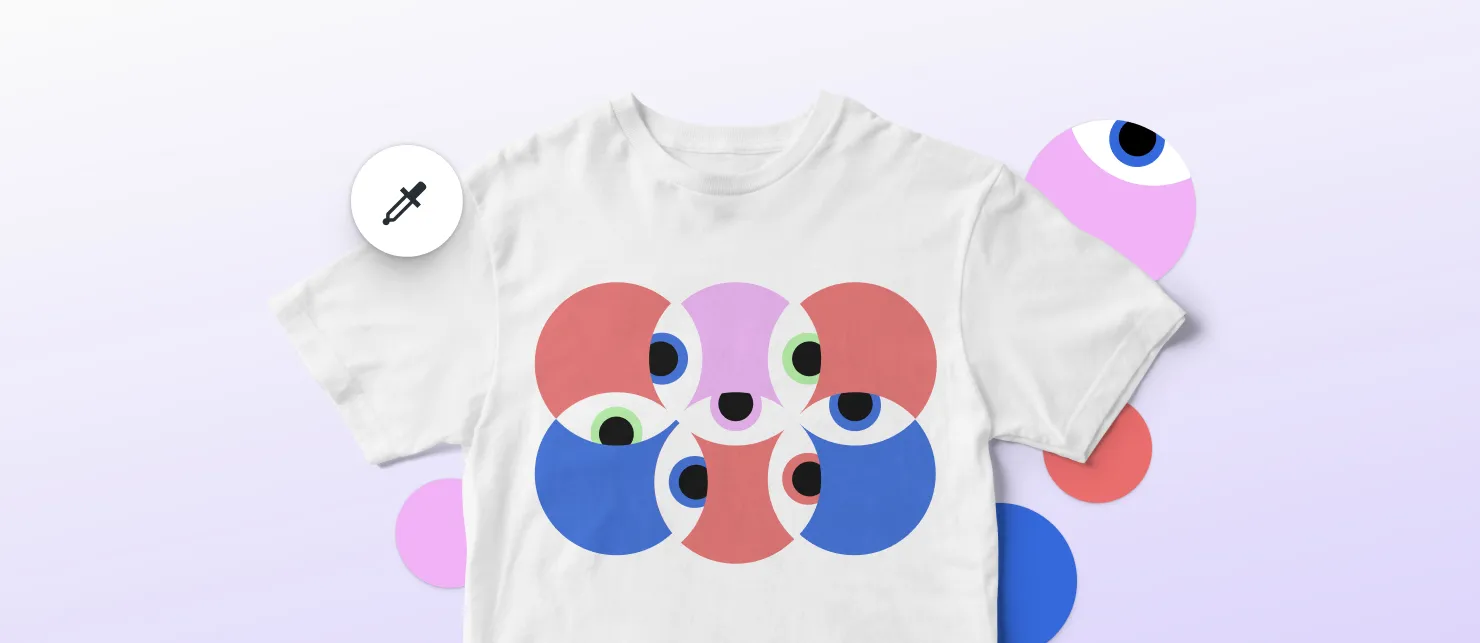
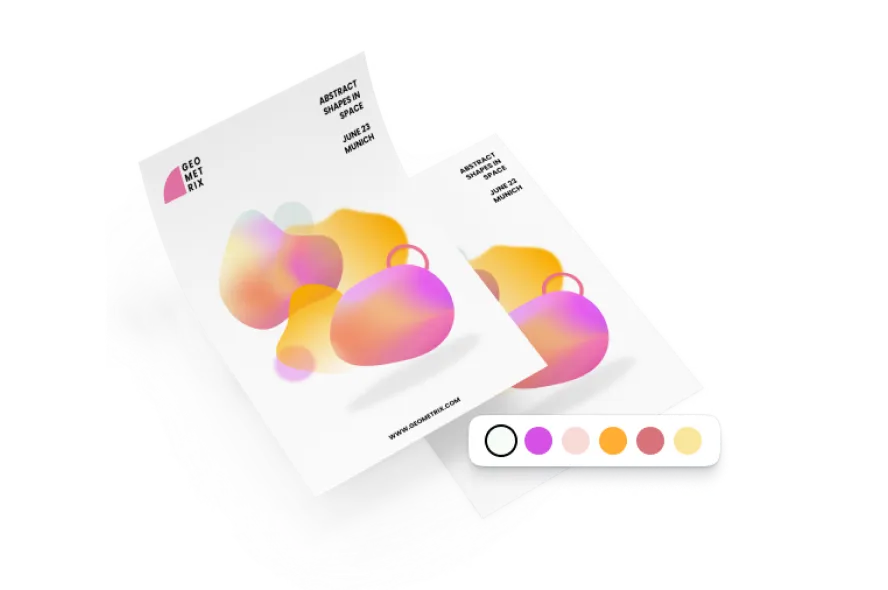
Configurable bleeds, CMYK through your ICC profile, named spot colors, and overprint preserved on text.

Underlayer for specialty media.
A white base ink layer for printing on transparent, dark, and non-white substrates.
Performance-optimized rendering.
Hardware-accelerated processing keeps editing smooth across large, high-resolution print designs.

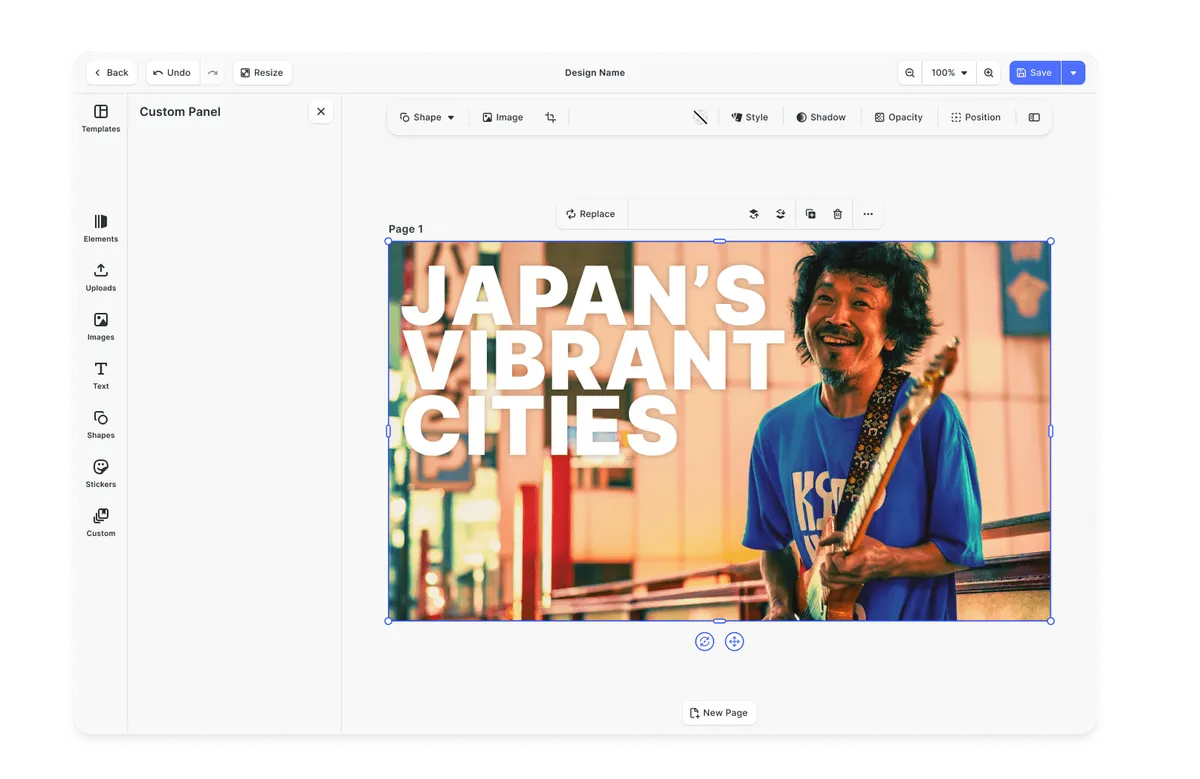
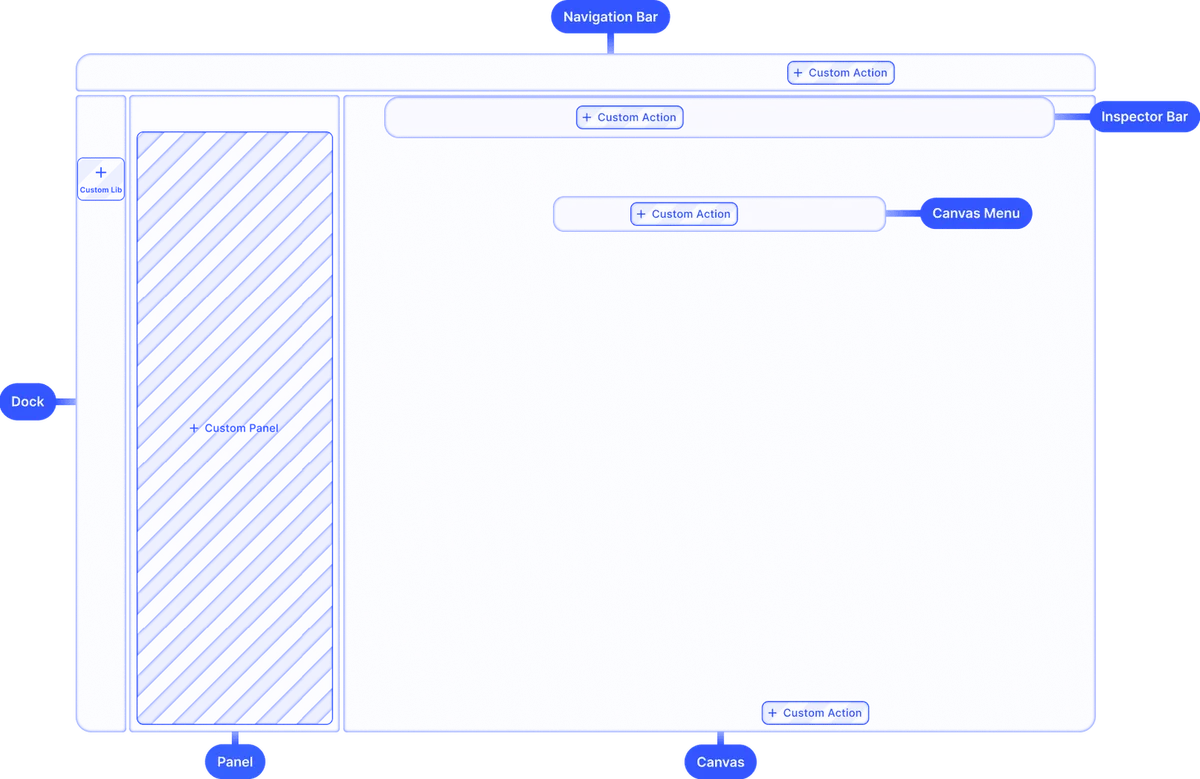
Configurable toolset & UI.
Choose which tools and controls appear, or build a fully headless UI.
Looking for the full feature list?
Browse every CE.SDK capability across print, design, photo, video, and AI.
Explore all capabilitiesIs CE.SDK the right fit?
CE.SDK is the creation and validation layer you embed. It does not replace your storefront or order management, it plugs into them.
A good fit if you need
-
Integration with the storefront, catalog, and order flow you already run
-
Customers producing their own press-ready files, with no designer involved
-
Print-ready PDF/X export with CMYK conversion via your ICC output profile
-
Named spot colors preserved end to end, written as device CMYK
-
Bleed, trim, and safe areas configured per product
-
Die-cut and perforated cut lines your cutting printer reads directly
-
Underlayer generation for fabric, glass, and other specialty substrates
-
Design validation that catches low-resolution images and out-of-bounds elements before export
-
Smart templates with placeholders and lockable regions, so customers change only what you allow
-
Existing InDesign, Photoshop, PDF, and PowerPoint files converted into editable templates
-
Variable data printing driven by your own data sources
-
Server-side batch rendering through a headless API
-
One engine across web, mobile, desktop, and kiosk, rendering identically
-
A fully white-labeled editor inside your own product
-
Client-side editing, so customer artwork never leaves the browser
Not the right fit if you need
-
A storefront with product catalog, pricing, and checkout
-
Order management, job routing, or production scheduling
-
Imposition, ganging, or RIP
-
Shipping, fulfillment, or a print supplier network
-
A hosted editor you point customers at without integration
-
An off-the-shelf ecommerce plugin
CE.SDK does not ship these, but it is built to sit beside them. The editor runs inside your own product and exports print-ready PDF straight into the workflow you already have, as the apparel editor demo shows.
How to embed the print editor into your workflow
From starter kit to PDF/X export, five steps to web-to-print in production.
Spin up a print-safe editor
Install the SDK, clone a print starter kit, and run a configurable canvas with bleed, trim, and safe-area defaults already in place.
Starter Kits
Scale across web, mobile, and desktop
Run the same print editor on whatever device the customer has. One creative engine renders identically across browsers and native apps, so production receives a consistent, print-ready file no matter where it was created.
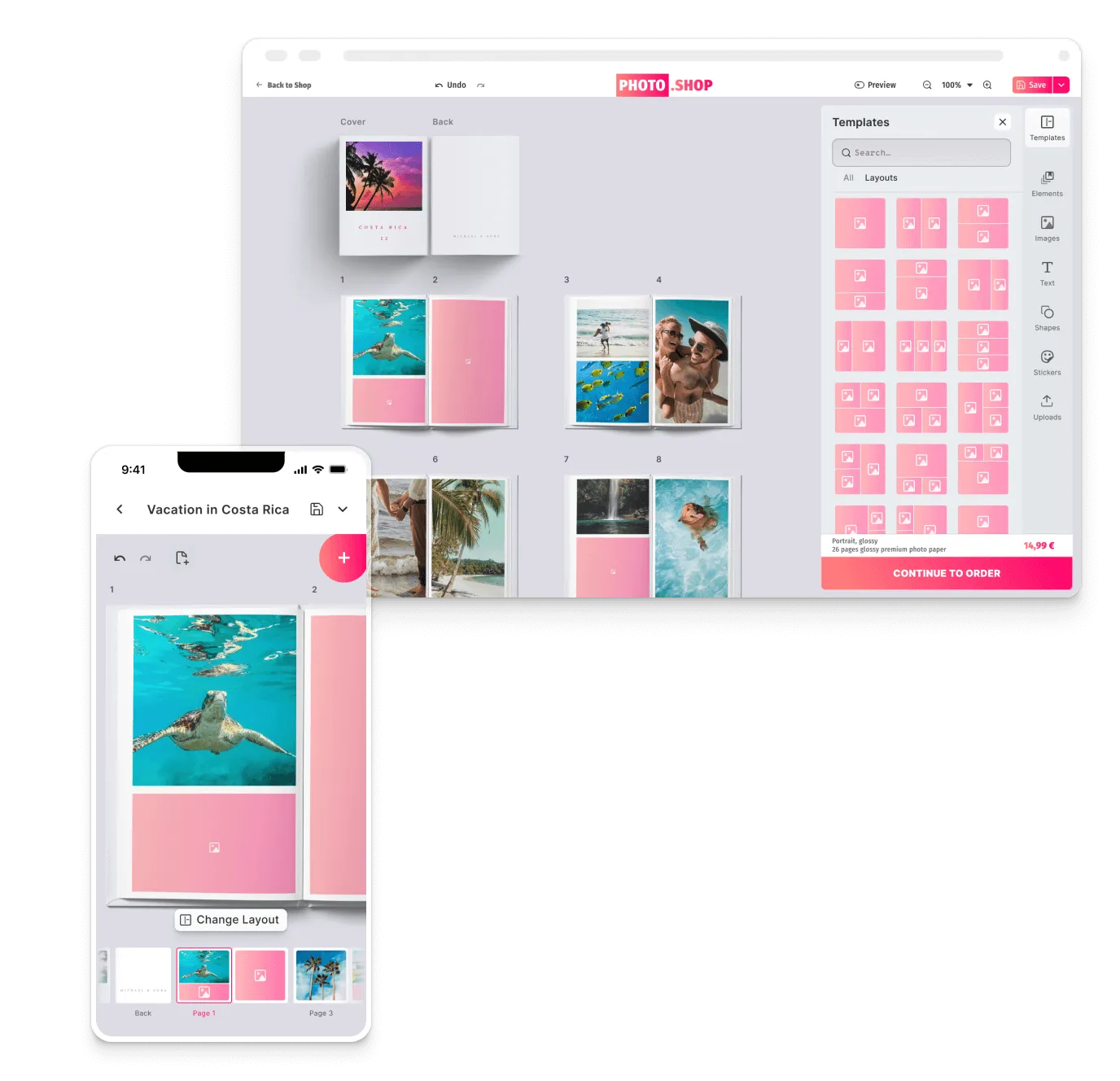
Power personalization across every product
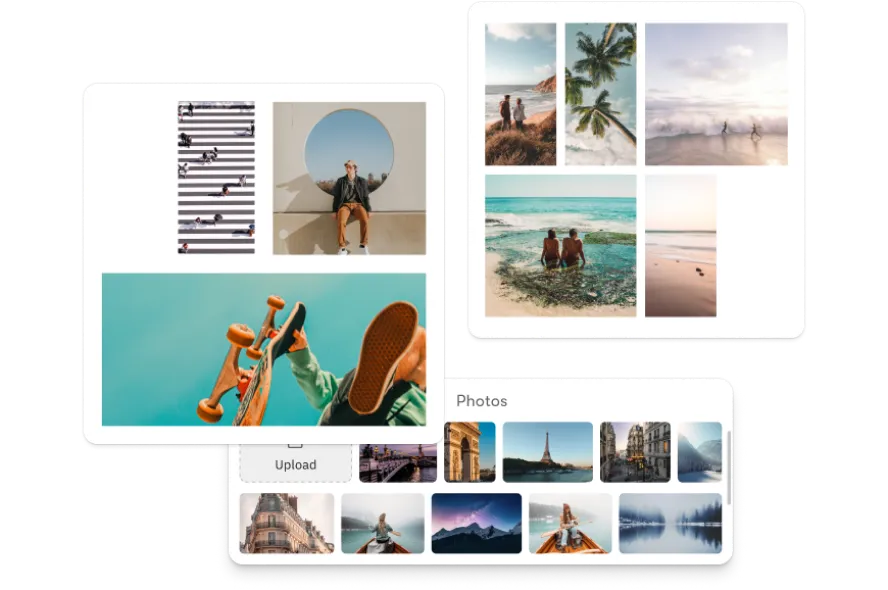
Drop the editor into business cards, postcards, posters, photo books, apparel, and packaging configurators. Each product type loads with the right defaults, asset sources, and editable zones from a single SDK.
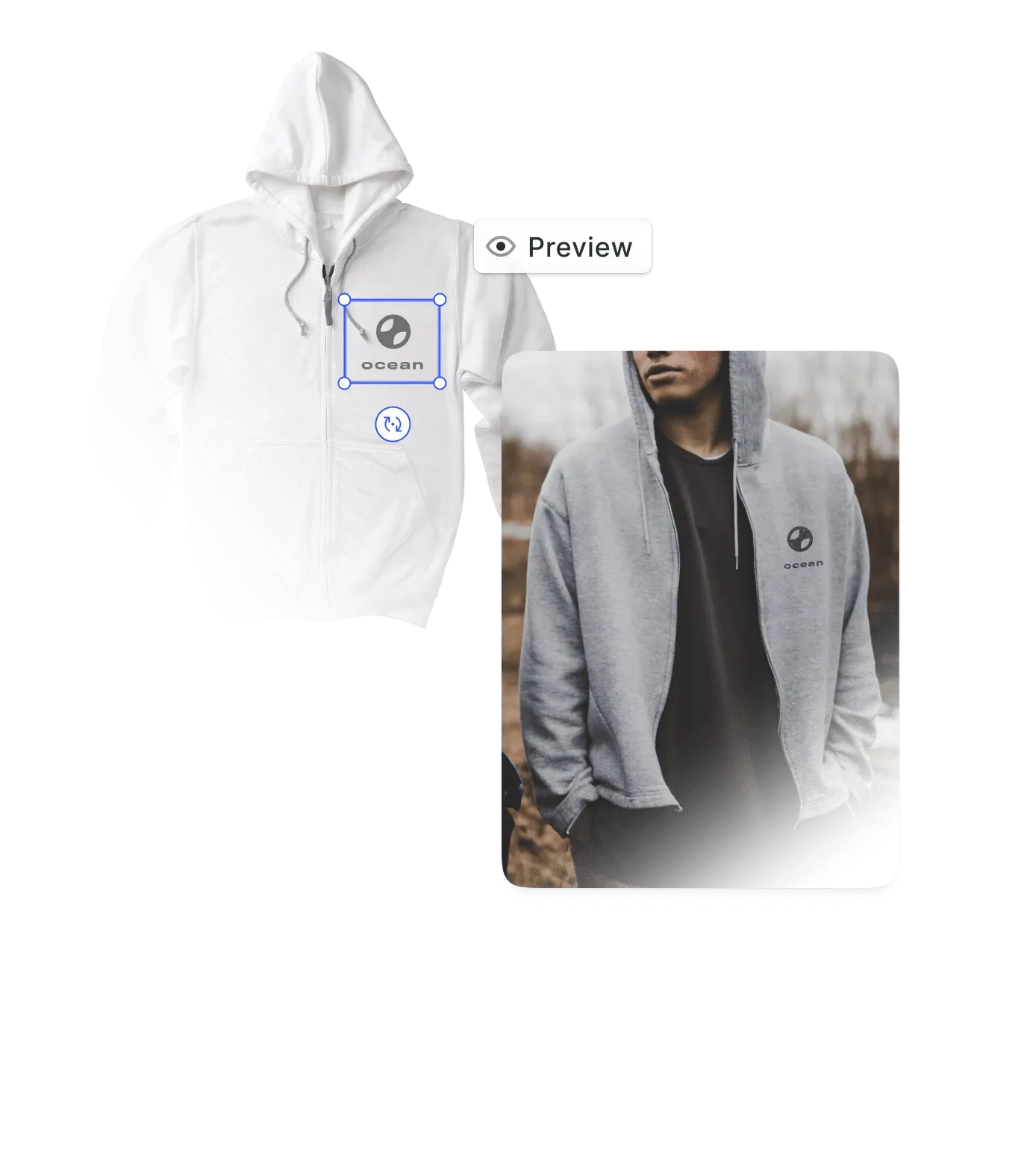
Build templates with editable zones and locked elements
Lock brand layouts, logos, and typography so they stay on-spec. Define the placeholders and editable zones customers can change, and ship the same templates to the editor and to server-side rendering.
Explore template demos
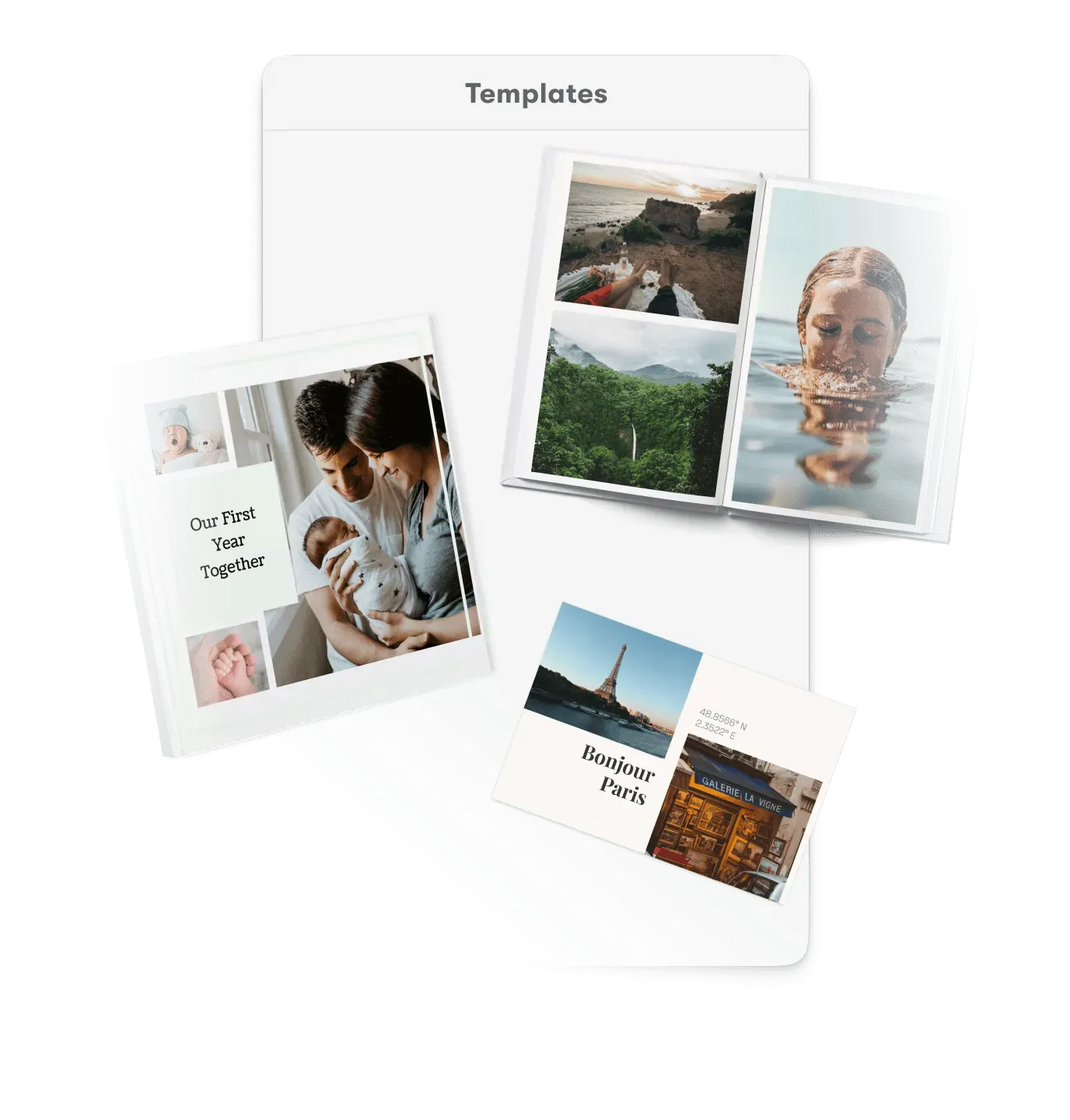
Validate output and enforce print color profiles
Configure CMYK targets, spot colors, and bleed margins per product. Integrate the design validation starter kit to flag out-of-bounds elements and low-resolution images before checkout, and PDF/X exports go straight to your print backend ready for production.
Explore validation demos
Why product teams choose CE.SDK
Streamline design creation
Give customers a guided web-to-print editor that’s easy to use.
Smart templates with placeholders, lockable layouts, and brand guardrails let non-designers personalize print products on their own, with no prepress knowledge required.
Automate at scale
Turn one template into thousands of personalized print files.
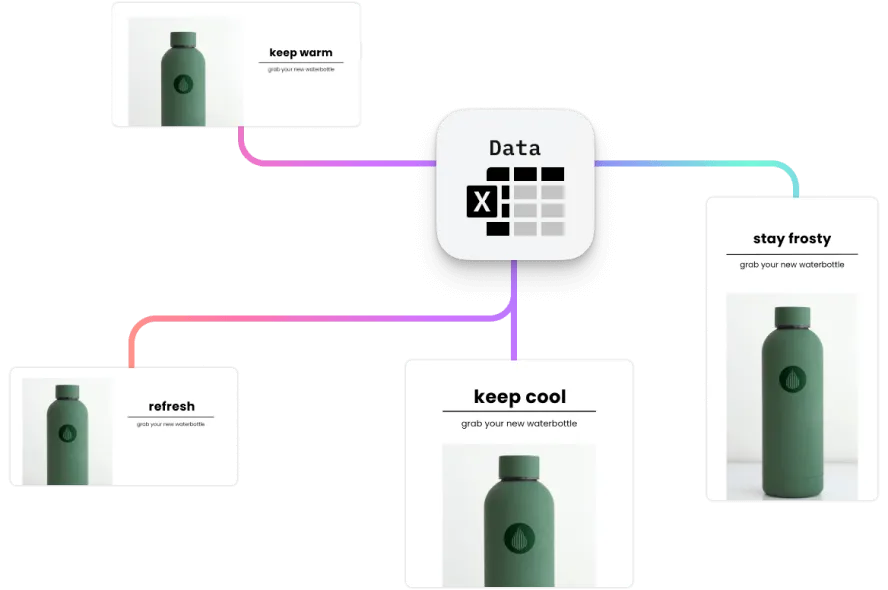
Text variables, smart templates, and a headless rendering API automate variable data printing and creative automation, so high-volume print runs ship without manual design work.
Print-perfect output
Generate files that go straight to production.
Configurable bleeds, cutout lines, CMYK and spot color, and adaptable design validation produce print-ready PDF/X output with no surprises at the press.
Explore print solutions
From variable data printing to apparel and photo books, explore every print workflow CE.SDK powers.

An SDK made by developers for developers
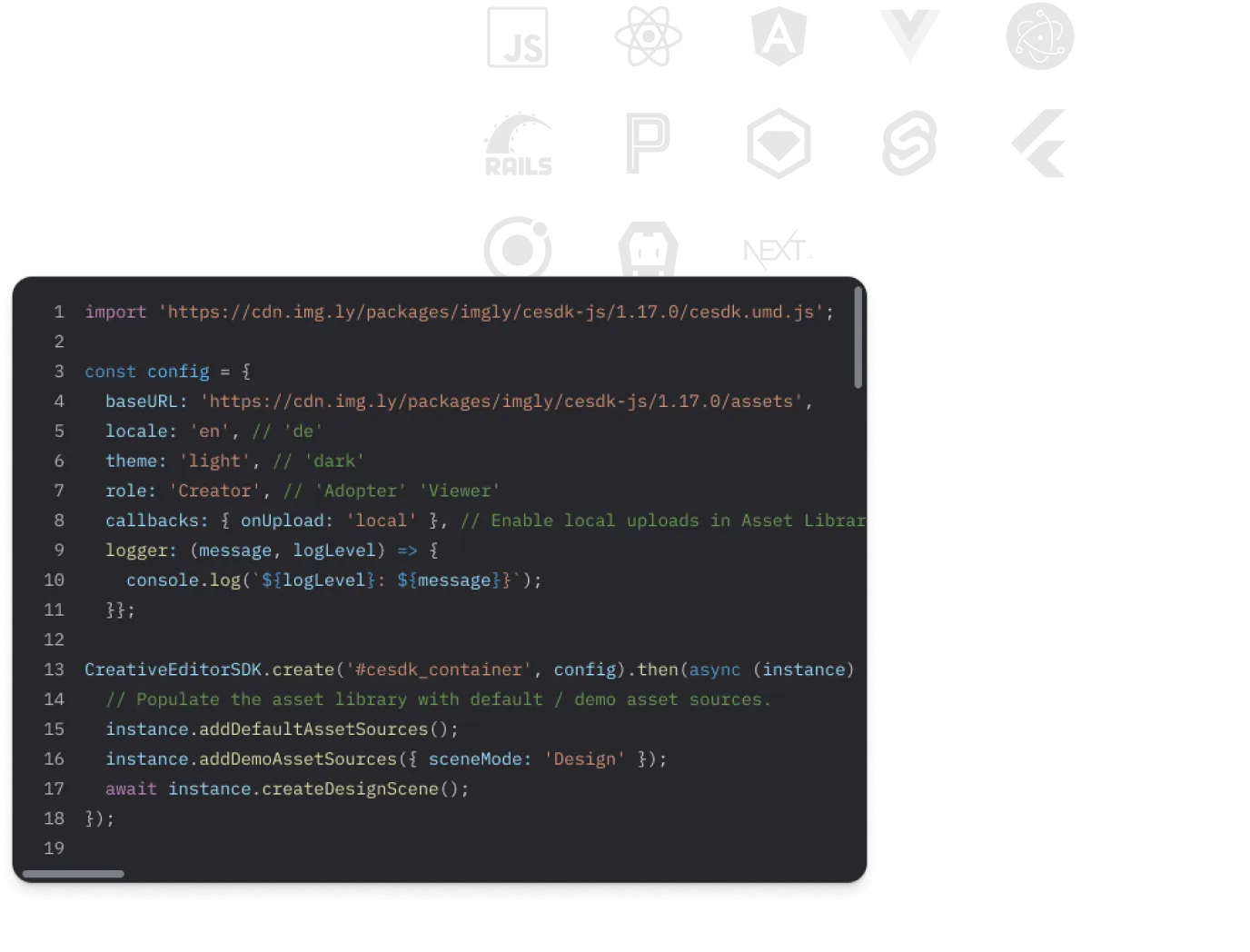
Install CE.SDK with one command, plug it into your existing upload or creation flows, and stay in control with a clean, documented API.
npm create vite@latest your-project-name -- --template react-ts && cd your-project-namenpm install @cesdk/cesdk-jsnpm create vite@latest your-project-name -- --template vue-ts && cd your-project-namenpm install @cesdk/cesdk-jsng new your-project-name && cd your-project-namenpm install @cesdk/cesdk-jsnpm create vite@latest your-project-name -- --template svelte-ts && cd your-project-namenpm install @cesdk/cesdk-jsnpx create-next-app@latest your-project-name --typescript && cd your-project-namenpm install @cesdk/cesdk-jsnpm create vite@latest your-project-name -- --template vanilla-ts && cd your-project-namenpm install @cesdk/cesdk-jsNative editing for iOS and Android
The same creative engine, shipped as native SDKs for every mobile stack.
pod 'IMGLYUI'pod installimplementation("ly.img:editor:1.53.0")npm install @imgly/editor-react-nativeflutter pub add imgly_editorBring the editor to the desktop
Embed CE.SDK in Electron and native macOS apps with the same API.
npm install @cesdk/cesdk-jspod 'IMGLYUI'pod installpod 'IMGLYUI'pod installRender headlessly at scale
Run the same engine server-side for batch rendering and creative automation.
npm install @cesdk/nodeimport CreativeEngine from '@cesdk/node';
Cut integration to minutes with IMG.LY Agent Skills
CE.SDK Agent Skills give AI coding assistants bundled documentation, guided code generation, and autonomous project scaffolding for building editor and creative workflows across 10 web frameworks.
claude plugin marketplace add imgly/agent-skillsclaude plugin install cesdk@imglynpx skills add imgly/agent-skills -a claude-codenpx skills add imgly/agent-skills --skill docs-react -a claude-codegit clone https://github.com/imgly/agent-skills.gitcp -r agent-skills/plugins/cesdk/skills/docs-react .claude/skills/cesdk-docs-reactLearn more about Agent Skills
Built to trust in production
The editor your team doesn’t have to build, secure, or maintain.
Secure by design
Editing runs client-side, so user content never leaves the browser unless you upload it. IMG.LY is SOC 2 Type II certified, with SSO available on enterprise plans.
Battle-tested at scale
The same creative engine powers 500M+ creations every month across thousands of applications, with a steady cadence of new releases.
Build-vs-buy, solved
We maintain the editor, browser quirks, and rendering pipeline so your team stays focused on your core product. Dedicated support and SLAs on enterprise plans.
Ready to build your web-to-print editor?
Contact our team to learn more about licensing options and get access to the AI plugins for CE.SDK.
Frequently Asked Questions
Print businesses either configure a hosted editor or embed an SDK they control. The Web-to-Print Design Editor SDK is the second: a fully-featured design editor you embed directly into your application so customers and teams can personalize print products in the browser. One creative engine powers smart templates, variable data, and print-ready output across web, mobile, desktop, and server.
Print businesses that already have a platform and want the design step inside it: commercial printers with online ordering portals, print-on-demand and personalization platforms, direct mail and variable data providers, photo and gift retailers, packaging and label producers, and brand portals. Customers include Swiss Post, Postbuddy, and The Print Bar. It is not a storefront. If you need catalog, pricing, and order management as a package, a full web-to-print platform fits better. CE.SDK is the creation and validation layer you embed, so customers design in your product and files reach your press ready to print.
Anything that goes to print: business cards, postcards, brochures, flyers, stickers, labels, packaging, signage, large format, calendars, photo books, and apparel. Smart templates with placeholders and lockable layouts let you offer a guided design experience for any print product.
Yes. Interactive demos run on this page and at img.ly/demos, covering the design editor, product configurator, placeholders, cutout lines, and print-ready PDF export. A free trial with full feature access is available, so you can try every feature before committing. Contact our team to get started.
Yes. The UI is fully customizable. Show or hide tools, reposition and rename controls, apply your brand theme, and translate every label. A headless API is available when you want to build a completely custom interface.
Dedicated importers convert IDML, PSD, PDF, and PPTX files into editable CE.SDK scenes, not flat media assets, so the layouts your studio already produces become smart templates with placeholders and lockable regions. The engine also imports PNG, JPEG, SVG, GIF, WebP, and BMP as media, and exports PNG, JPEG, TGA, and print-ready PDF/X. It is storage-agnostic and supports custom asset sources, so you can connect any CDN, DAM, or stock provider.
Print rules are enforced at design time, not caught at preflight. Bleed, trim, and safe areas are set per product in the template, so customers cannot place content outside them. Design validation flags low-resolution images and out-of-page elements while the customer is still designing. The web editor can also restrict the color picker to CMYK, with automatic conversion for new pages and asset library elements. Files export as print-ready PDF/X to your existing MIS or order management system. CE.SDK covers creation and validation; imposition, job routing, and fulfillment stay with the systems you already run.
CE.SDK's engine works in RGB and exports RGB PDF. The Print-Ready PDF plugin converts that to CMYK using an ICC output profile and adds PDF/X compliance markers, running client-side in the browser or in Node. It defaults to PDF/X-4, which preserves live transparency and vector text, with PDF/X-3 as an opt-in fallback for older prepress workflows. Profiles ship for European offset (FOGRA39 / ISO Coated v2), US commercial (GRACoL 2006), and sRGB, or you can supply your printer's own. Because conversion is profile-based, original CMYK values are not preserved and minor shifts are possible. Named spot colors are the exception: they pass through by name, are written as device CMYK, and overprint on text is preserved. Bleeds and cutout lines are configurable.
Yes. Cutout paths are created from SVG or from the contour of existing elements, as continuous or perforated cuts, with adjustable offset. Cut lines export in the PDF as named spot colors, CutContour for solid cuts and PerfCutContour for perforated ones, the naming convention cutting printers recognize, so stickers, shaped labels, packaging, and apparel print areas go straight to production.
Yes. PDF export can generate an underlayer beneath the design, typically white ink, specified by a named spot color and adjustable with a positive or negative offset. This is what makes output usable on non-white and specialty substrates such as fabric, glass, and dark materials.
Yes. The editor is a browser-based HTML5 canvas with hardware-accelerated rendering and no plugin dependency, on current Chrome, Edge, Firefox, and Safari, desktop and mobile. Editing runs client-side, so customer artwork never leaves the browser unless you upload it. The same engine runs natively on iOS and Android and headlessly via Node, rendering identically across all three.
Yes. Text variables and smart templates merge structured data into a fixed layout, and the same templates render server-side through the headless API for batch generation. Output is print-ready PDF/X with configurable bleed and cutout lines, so customized files go straight to production. The same engine produces web-resolution assets from the same scene, keeping print and digital consistent.
Design validation ships as an open starter kit you integrate and customize. The reference checks flag low-resolution images and elements outside or protruding beyond the page while customers design, and you can extend them with your own print requirements before a file is ever exported.
The SDK ships native AI plugins for image generation, background removal, style transfer, and text-to-graphics, all surfaced inside the editor so customers can create print-ready artwork from a simple prompt. The plugins are model-agnostic: connect commercial or open-source models through custom endpoints using the open plugin architecture.
Low-resolution customer uploads are the most common cause of reprints. CE.SDK ships the Perfectly Clear plugin, which corrects exposure, contrast, color, sharpness, and noise in one pass, running inside the editor. Tie it to your DPI validation, so when the editor flags an image below threshold it offers to fix it rather than just blocking export. Generation, background removal, style transfer, and text-to-graphics are model-agnostic plugins. AI plugins are included in the CE.SDK license; you pay the model provider for inference.
Variable data printing merges structured data (names, addresses, offers) into a fixed template for high-volume runs. Creative automation goes further, programmatically generating full design variants and AI-assisted artwork. The SDK supports both through text variables, smart templates, and a headless rendering API.
Pricing is based on monthly active users (MAU) who interact with the editor, with flexible plans from startups through enterprises. Enterprise licenses add custom terms, dedicated support, SLAs, and volume discounts. Contact sales to discuss your requirements.
Yes. Commercial licenses allow full white-labeling: remove all IMG.LY branding and present the web-to-print editor as a native part of your product, with your own theme, tool arrangement, labels, and translations.